The fruit trees best suited for courtyard planting, how many kinds does your family grow?
Carry out the creation of civilized villages and towns, adhere to putting people's livelihood first, vigorously build beautiful villages, and continue to develop distinctive villages and towns. Today, in our hometown, one after another new countryside with beautiful environments and civilized harmony keeps coming into view. Farmers, adapting to local conditions, have planted all kinds of fruit trees in their own courtyards and in the open spaces in front of and behind their houses. This not only beautifies the village courtyards, but also develops the rural courtyard economy. Farmers cannot even finish eating the fresh fruit produced by their own families. Let us see what varieties there are.
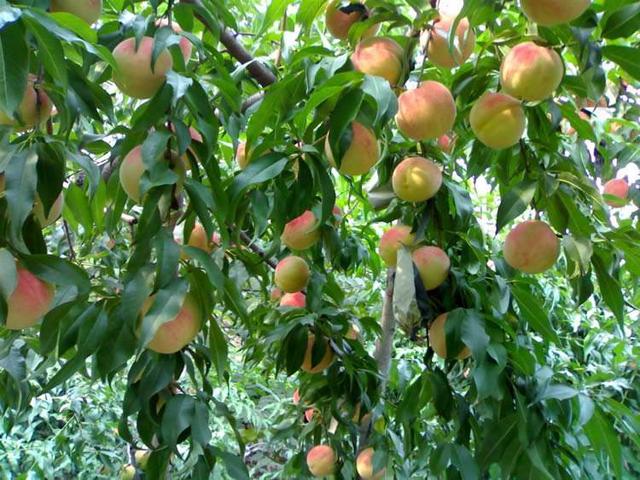
Peach, one of the main varieties planted in courtyards. As the saying goes: "Peaches fill you up, apricots harm you, and under the plum tree lies a dead man." Peach "fills you up" mainly because it is rich in nutrients, especially with a very high iron content; eating it often can help prevent and treat anemia, and the pectin in it can also prevent constipation. Traditional Chinese medicine believes that eating peaches can treat lung diseases, mainly because they are a warm-natured food and have the effects of replenishing qi and nourishing blood, nourishing yin and promoting fluid production, relieving cough and killing parasites. Therefore, people who usually have sallow and emaciated complexions and often feel palpitations and shortness of breath can eat peaches to nourish and strengthen their bodies.
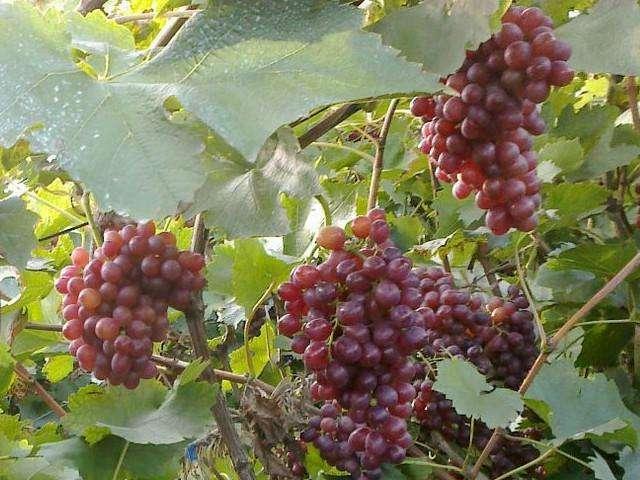
Grape, a variety planted by every household. Most villagers plant it in front of the gatehouse, building a wooden trellis. Once summer comes, the green canopy forms shade, and clusters of grapes are crystal clear. Villagers cool off or eat under the trellis, which has a special charm.
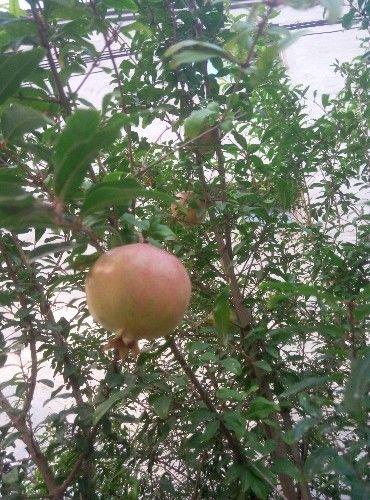
Pomegranate, the variety villagers love most to plant. Traditional Chinese culture regards the pomegranate as a mascot and sees it as a symbol of many children and much fortune. The history of pomegranate cultivation in China can be traced back to the Han Dynasty. According to Lu Gong's records, it was introduced by Zhang Qian from the Western Regions, and it is cultivated in both northern and southern China. The pomegranate is sweet, sour and astringent in taste and warm in nature, and has effects such as killing parasites, astringing, binding the intestines and stopping diarrhea. Pomegranate fruit is rich in nutrients, and its vitamin C content is one or two times higher than that of apples and pears.
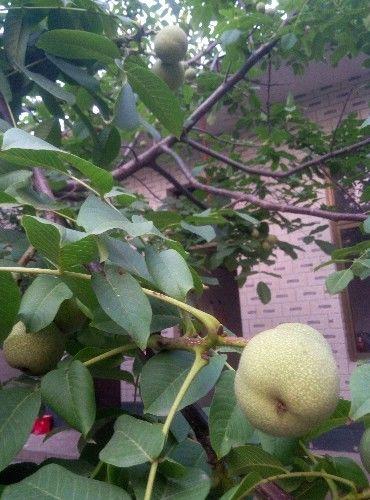
Walnut, introduced into courtyard planting relatively late. Walnuts are also divided into local walnuts and thin-shelled walnuts. In the past two years, most of the walnuts introduced into courtyard planting are cultivated thin-shelled walnuts. Together with almonds, cashews and hazelnuts, they are known as the world's famous "four great dried fruits." Walnut kernels contain rich nutrients, protein and fat, and also contain a variety of trace elements and minerals essential to the human body, such as calcium, phosphorus and iron, as well as a variety of vitamins such as carotene and riboflavin. They are beneficial to the human body. They are one of the nut foods deeply loved by ordinary people. They are hailed as an excellent brain supplement and are also called "longevity seeds" and "longevity fruit."
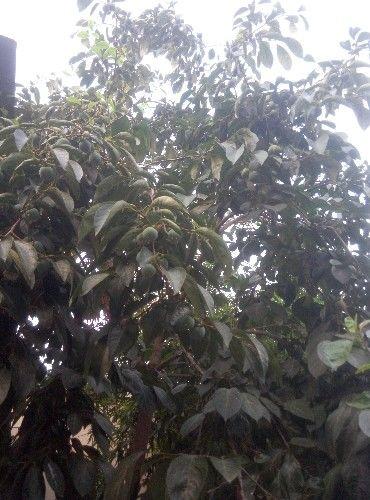
Persimmon, with a cultivation history of more than one thousand years. The persimmon tree has an open crown, large and glossy leaves, and dense green shade, and in summer it can provide shade and coolness; in early autumn, green leaves and red fruit are bright and pleasing to the eye, and in late autumn the red leaves can rival maple leaves, making it also an excellent ornamental tree. The persimmon fruit ripens around October, when frost tints the leaves red and the fruit looks like fire. In the courtyard it is like hanging little red lanterns one after another, making people feel delighted and filling them with endless affection. Among these fruit trees, which ones does your family grow?