What should you pay attention to before sowing peanuts? Growers must read

Click to follow us, we update agricultural planting techniques every day to help you achieve high yields and get rich
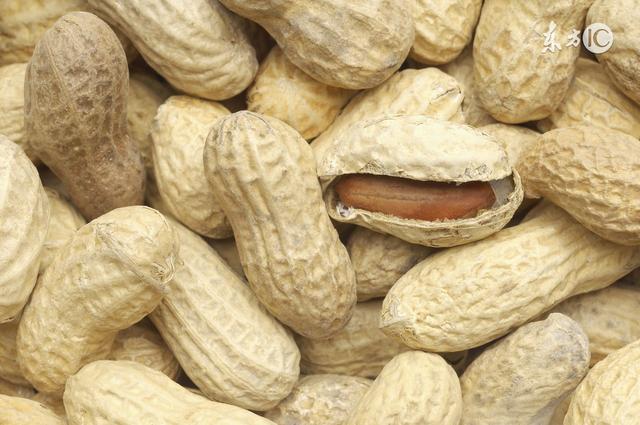
1. Prevent mold and sweating. After peanut seeds become moldy and sweat-damaged, their germination vigor decreases, and after emergence the leaves turn yellow, disease resistance drops, and the incidence of peanut root and stem rot increases.
2. Select seeds carefully. Before sowing, first carefully select the peanut pods, removing mixed pods, rotten pods and insect-damaged pods. Second, after shelling, grade the kernels by size, sowing the large kernels together and the medium kernels together, and discarding seeds that are small, shriveled, sprouted or moldy.
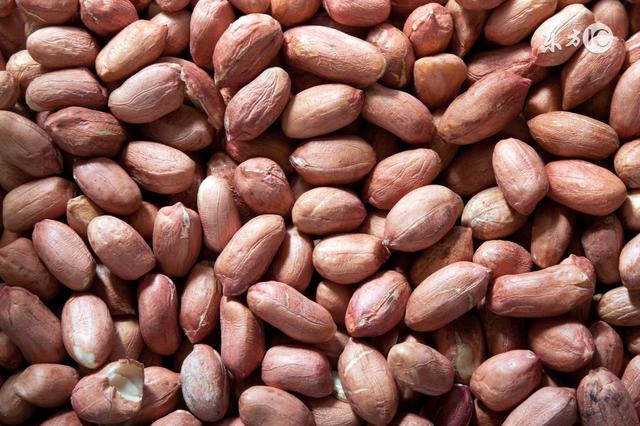
3. Sun the seeds before sowing. Sunning the pods before sowing can kill pathogens on the pod surface, enhance the permeability of the seed coat, speed up the seed's water absorption process, promote enzyme activity, help transform the nutrients inside the seed, increase the germination rate and produce uniform emergence. The effect of sunning seeds is even more noticeable when the seeds are less mature or have been affected by moisture during storage. After sunning, peanuts emerge 1-2 days earlier and yields can increase by 10%-15%. Choose a clear morning, spread the peanut pods on the drying yard at a thickness of 1-2 cun, and dry them continuously for 2-3 days, turning them often so they dry evenly.
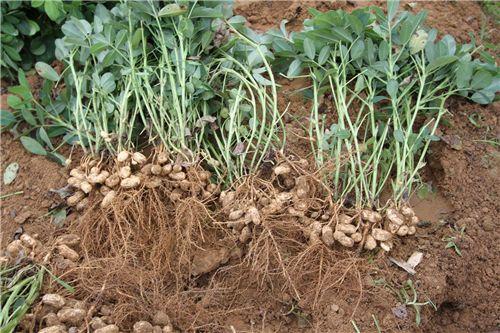
4. Shell late. At present, many farmers shell peanut seeds in advance, and doing so has many disadvantages. First, the physiological metabolism of shelled seeds speeds up, respiration accelerates and nutrient consumption intensifies; second, they are prone to moisture and mold, reducing the germination rate; third, after drying, the seeds easily lose their seed coat, increasing the breakage rate during sowing, reducing the usability of the seeds, and making it very hard to ensure a full stand after peanut emergence. It is best to shell the peanuts half a month before sowing.
5. Seed dressing with chemicals. Seed dressing is essential at sowing; the dressing agent should suit local conditions, and do not use chemicals blindly.
Welcome to subscribe to and follow this Toutiao account. We share the latest agricultural planting techniques and agriculture-related information every day. You are welcome to share, forward and like. If you have good suggestions or planting techniques you would like to learn about, please leave a comment. We will select some of the issues everyone cares about most and invite agricultural technology experts to provide professional guidance and share their insights.