Lily cultivation has its methods, and growing them this way greatly increases profits
Ms. Wu from Lanzhou has been growing lilies for many years and made her fortune selling lily flowers and bulbs. However, Ms. Wu feels that growing lilies this way wastes some of the land. Could she plant some other crops in the lily field to increase profits?

Lily flower
Later, she intercropped various vegetables and melons in her lily field. When it came time to harvest the lilies, not only did the lily yield not decrease, but the vegetables and melons also brought her considerable income. This quickly spread throughout the local area, and many lily growers came to learn her cultivation techniques.

Lily flower
Lily fields undergo crop rotation once every 3 to 4 years. Choose gently sloping or flat sandy soil with deep soil layers and good drainage. After deep plowing, apply 2500 to 3000 kg of barnyard manure, 100 to 150 kg of cake fertilizer, and 15 to 20 kg of superphosphate as base fertilizer, and form beds 2 m wide. Sow from late August to early September, opening sowing furrows 6 to 10 cm deep at a row spacing of 33 cm, and plant 1 bulb every 20 to 23 cm in the furrow, then cover with soil and rake level; each bulb weighs about 30 g, and the sowing rate is about 250 kg per mu.
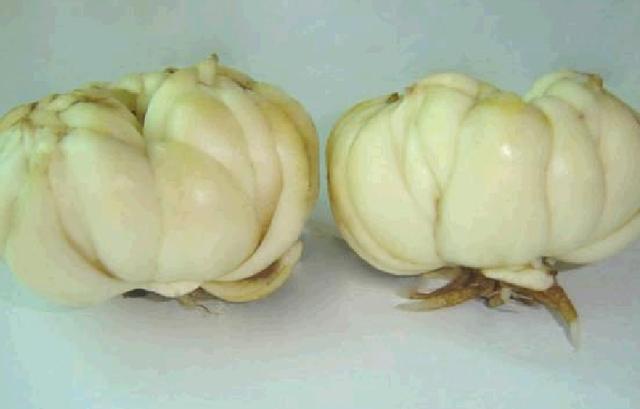
Lily bulb
(1) Field management
Lilies have a long growing period, and vegetables, wheat, and other crops can still be intercropped on the bed surface. After the intercrops are harvested, loosen the soil and weed once immediately; then cultivate 2 to 3 more times during the mid-growth stage, and combine this with hilling to prevent the bulbs from being exposed and the scales from discoloring. After lilies sprout in spring and when the seedlings are 13 to 16 cm tall, apply topdressing separately, with 2500 to 3000 kg of human manure water and 15 to 20 kg of chemical fertilizer per mu.
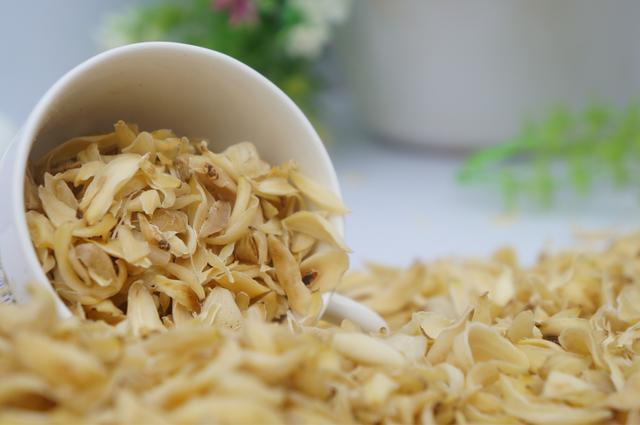
Lily slices
Spread a thin layer of rice straw on the soil surface to lower soil temperature, retain moisture, prevent rain erosion, and suppress weeds; if melons are intercropped, then there is no need to cover with straw. When sprouts appear in spring, keep one strong sprout and remove the rest; when the flower buds begin to swell in summer, remove them promptly to reduce nutrient consumption, and remove the terminal buds in late May.
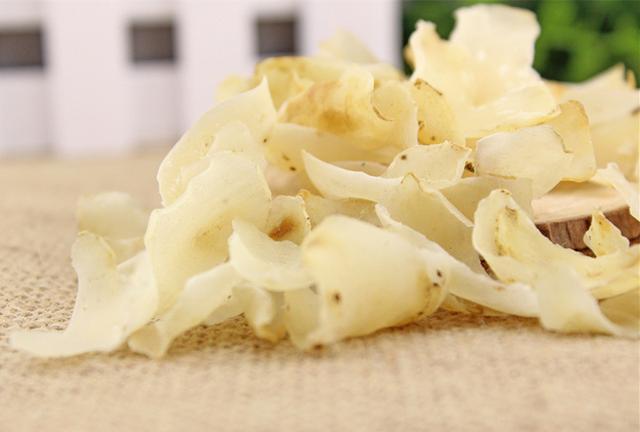
Lily slices
(2) Harvesting
Harvest in early August on a sunny day. The harvested lilies should be stored properly in a timely manner, otherwise the surface turns red and the quality deteriorates
Click "Learn more" for free agricultural technology Q&A