Derong shares vegetable growing and fertilizing tips: the method matters
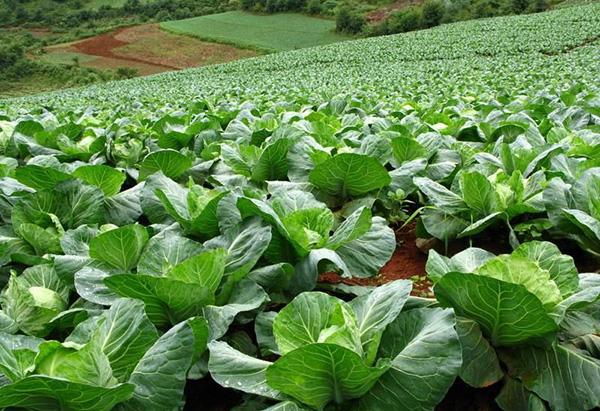
Foliar fertilizer is often used in vegetable management, and in many cases, supplementing vegetables with nutrients through the leaves gives the best results. In the eyes of many vegetable growers, foliar fertilizer is simply a means of supplementing nutrients through the leaves, so they think there is no need for strict methods when using foliar fertilizer on vegetables. The experts at Caiyi.com do not agree with this view. The use of foliar fertilizer must also follow certain rules; it is not something you just grab and spray at will. Here, the author sets out several key points for using foliar fertilizer on vegetables as follows.
1. Foliar fertilizers can be mixed, but do not mix too many together.
It is often seen that when some vegetable growers use foliar fertilizer, they mix three or four kinds at once, and the nutrients are duplicated. According to the growers themselves, this allows the plants to absorb more nutrients. The experts at Caiyi.com believe this view is wrong. Foliar fertilizer should be supplemented selectively according to the growth of the vegetables; otherwise, once a certain nutrient is in excess, it will cause leaf burn and other side effects.
For example, some foliar fertilizers with a conditioning nature can promote plant growth at normal concentration, but if the concentration is increased, they will instead play a role in controlling growth. There is also another situation: nutrient elements can antagonize each other's absorption. For example, when monopotassium phosphate and calcium fertilizer are mixed, potassium fertilizer and calcium fertilizer mutually repel each other's absorption.
Generally, when choosing foliar fertilizer, the author suggests that when a certain nutrient needs to be supplemented, only one high-quality foliar fertilizer is needed.
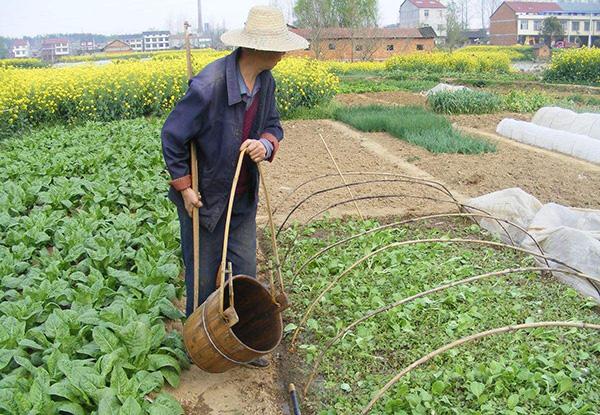
2. Choose foliar fertilizers with different mechanisms according to plant growth.
The type of foliar fertilizer chosen should be determined according to the plant's growth, needs and the characteristics of the foliar fertilizer. Is a certain nutritional type needed or a conditioning type? You cannot just use whatever you pick up.
3. Foliar fertilizers can also be reasonably mixed.
Foliar fertilizers can also be reasonably mixed, but no more than three kinds at most. The purpose of mixing is to better promote nutrient absorption, regulate plant growth and balance nutrient supply.
For example, when supplementing calcium fertilizer, calcium and boron are usually supplemented together; while supplementing plant nutrients, a conditioning foliar fertilizer can also be mixed in, working together from two directions.
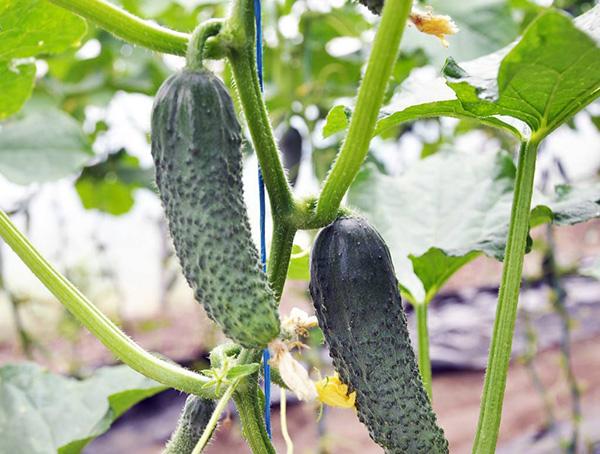
4. Under specific circumstances, vegetables need foliar fertilizer to supplement nutrients.
If the plant's root system is not well developed, or necrosis appears inside the stem, and fruit growth needs to be promoted, then nutrients must be supplemented through the leaves. For supplementing trace elements in vegetables, foliar spraying is the most effective and the simplest method. When soil humidity is too high and nutrients cannot be supplemented by drenching, foliar supplementation can be used, and so on.
Finally, a reminder to everyone: when you do not fully understand the pH and ingredient content of a foliar fertilizer, try not to mix it with copper preparations and insecticides. Of course, if after fully understanding them they can be mixed, that is best.