Want high yields from your chive (garlic chive) planting? Try these methods
1. Site selection and soil preparation: choose a level site with convenient drainage and irrigation, deep, fertile soil with suitable soil structure and good physical and chemical properties; sandy loam is preferable. On newly turned soil, apply base fertilizer, water thoroughly, and sprayNew High-Fat Filmto repel underground pests and diseases, isolate viral infection, and preserve fertilizer and soil moisture.
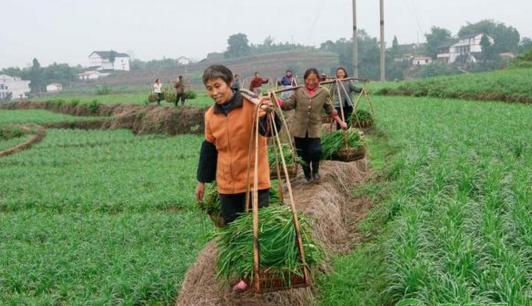
2. Seed dressing and sowing: select improved disease-resistant varieties, dress the seeds with New High-Fat Film to strengthen the respiration intensity of chive seeds and increase the germination rate. Then place them in a seedbed for insulation and sprouting. Mix the germinated seeds with 2-3 times their volume of sand and scatter them in the furrow beds, then cover with fine soil. After sowing, cover with plastic film or rice straw, and remove the bed surface cover when 70% of the seedlings have emerged.
3. Transplanting: the seedling stage lasts 120 days; when the seedlings have 7-9 leaves and the plant height reaches 18-20 cm, it is time to transplant. Transplant rationally according to the needs of the plants. After the seedlings are transplanted, spray New High-Fat Film, which can effectively prevent above-ground moisture from evaporating, stop the seedling body from transpiring water, isolate pests and diseases, shorten the seedling recovery period, and help them quickly adapt to the new environment and grow healthily.
4. Water and fertilizer management: water in good time during the growing season to keep the soil surface moist; combine watering with intertillage and weeding, and fertilize rationally. Generally do not harvest before transplanting, so as to promote strong seedlings and root development. Spraying New High-Fat Film means no fear of evaporation under strong sun exposure; it can regulate water absorption and protect against drought and rain.
5. Nourish the roots and strengthen the seedlings: spraying Zhuangjing Ling during the chive growing period can make the plant stalks thick and strong, the leaves thick and plump, the leaf color fresh and tender, and the plants luxuriant, with a rich natural flavor. At the same time, it can enhance disaster resistance, reduce the amount of pesticide and chemical fertilizer used, and lower residual toxicity.