A Detailed Guide to the Cultivation Techniques and Planting Methods of Cypress Vine
Cultivation Techniques and Planting Methods of Cypress Vine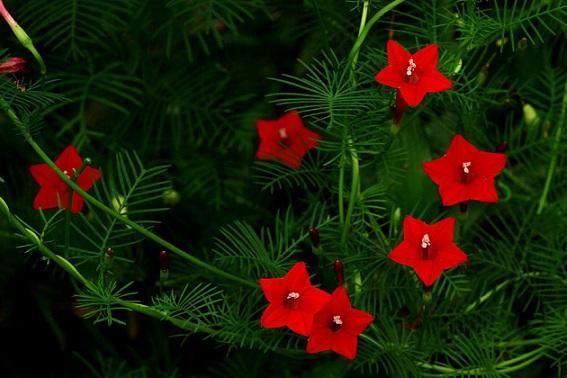
Cypress vine's flower language: busyness, mutual care, mutual reliance
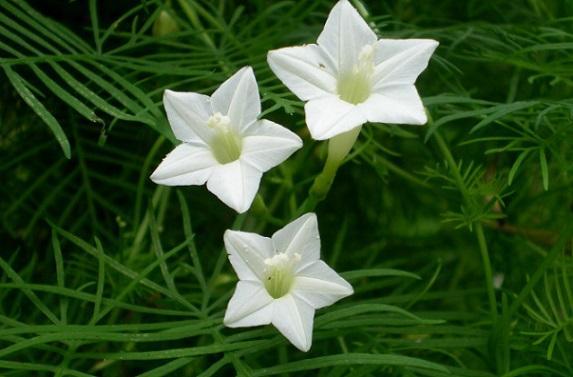
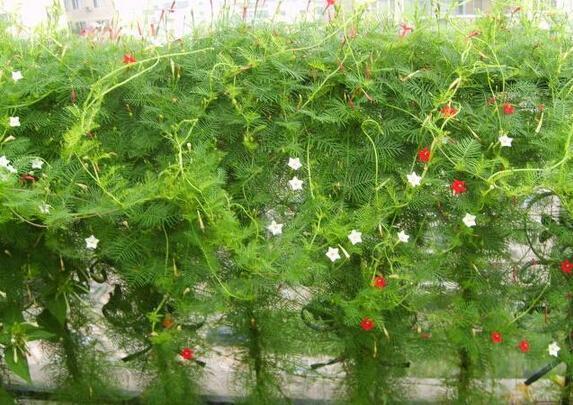
Cypress vine (Ipomoea quamoclit) is an annual twining herbaceous plant in the Convolvulaceae family, genus Ipomoea. Also known as: five-pointed star flower, brocade screen, golden silk thread, dragon-twining flower. It originated in tropical America and is now cultivated in various places. The flowers and leaves of cypress vine are both beautiful and highly ornamental. It is an excellent hedge plant and can also be potted and placed indoors.
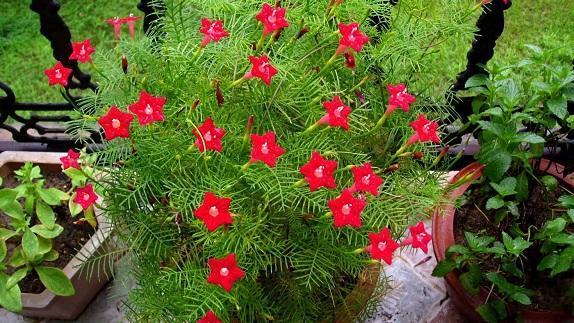
The trailing stems of cypress vine are slender and smooth, hairless. The simple leaves are alternate, oval or oblong, or deeply pinnately lobed. The cyme is axillary, with small five-pointed-star-shaped flowers in bright red, red, and other colors. The capsule is ovoid, and the seeds are black with fine brown hairs. The flowering and fruiting period is from July to November. Cypress vine loves light and is not cold-tolerant; it is suitable for planting in fertile soil. Cypress vine is used medicinally and has heat-clearing and swelling-reducing effects, and can treat ear furuncles, perianal fistula, and other conditions.
Planting Techniques for Cypress Vine
(1) Seedling cultivation techniques: Collect mature seeds in a timely manner, dry them and store them, sow in April of the following year. When sowing, pay attention to spacing to avoid seedling vines becoming tangled. After sowing, cover with soil to 37.5px and water promptly. Provide ample light and maintain the temperature at 20-25°C. When the seedlings reach 250px in height, they can be transplanted out for planting.
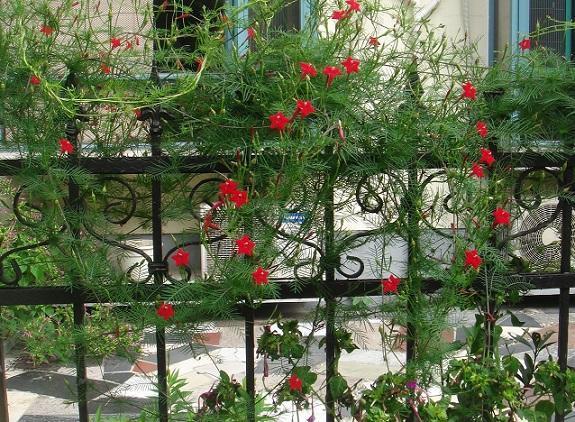
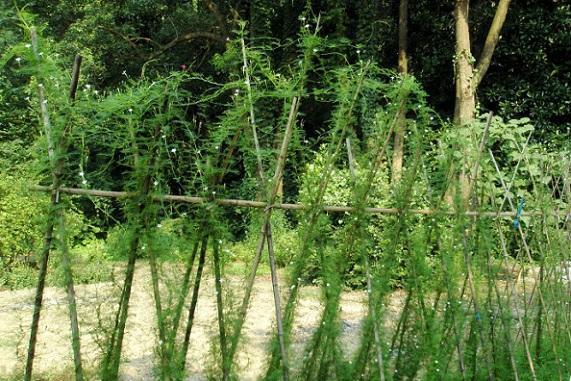
(2) Planting techniques: Choose a plot with fertile soil, dig holes, and plant. The planting spacing is 1000px. Water promptly after planting. Potted plants need frequent watering and fertilizing. Set up trellises, bamboo fences, or other supports in a timely manner for them to climb on, and maintain ample sunlight. In summer, when the plants enter dormancy or semi-dormancy, prune off weak, diseased, pest-affected, dead, and overly dense branches to maintain a good plant shape.
So, have you learned it?
(The above images are all from the internet; if there is any infringement, contact us for removal.)
This article is original by Sina Kandian (Weibo nickname), hereby declared.