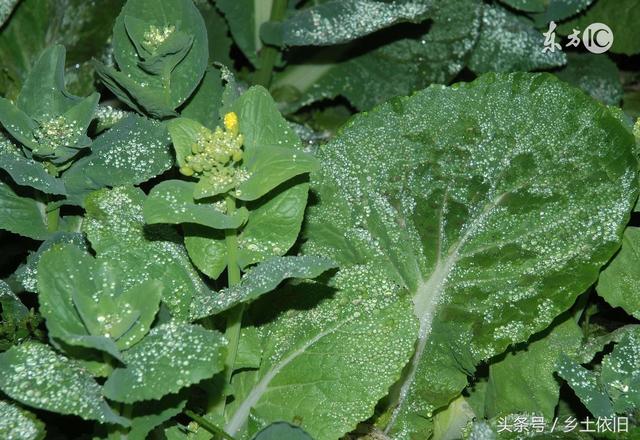
How to grow bok choy in summer? Pay attention to these points
By Xiangtu Yijiu
Entering summer, especially after the dog days begin, the weather stays hot and the sweltering heat is hard to bear. For some out-of-season vegetables, growing can be said to face a kind of challenge; almost every day the temperature and humidity exceed their optimal growing conditions.
However, as long as we "yield" to our stomachs, everything seems less important, and we must create the conditions to grow the vegetables we want to eat.
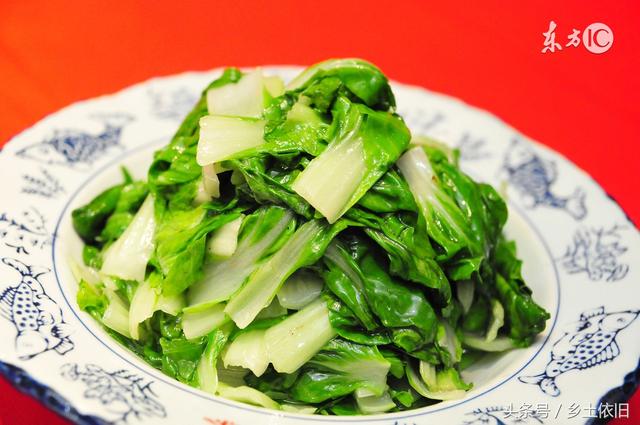
Right now, most vegetables planted in spring have passed their peak production period and entered the aging stage of late growth, and it is the season for crop rotation and replanting.
Bok choy is rich in vitamin C, has very high nutritional value, and is a vegetable with a relatively large edible portion, making it one of the indispensable vegetables on the dining table.
Growing bok choy in summer can, first, ease a "vegetable shortage," and second, growing it under protection can seize the market early and bring considerable economic value.
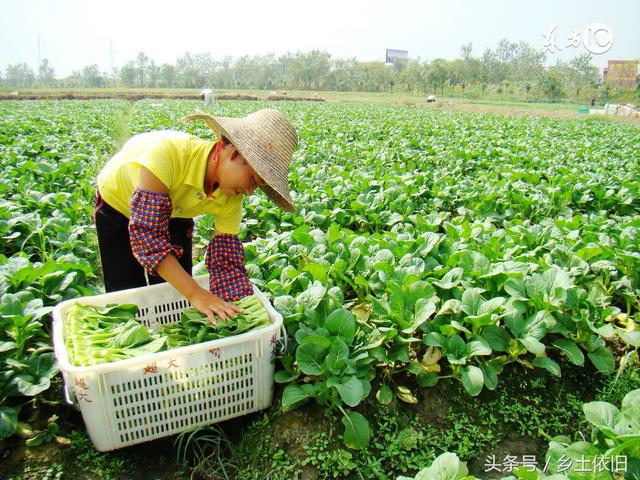
Summer has a lot of rain, high temperatures, and high humidity; growing bok choy requires a certain level of management skill, otherwise not only will yields drop, but in serious cases all the effort will be wasted. Summer rain is heavy, and field water accumulates frequently; you must not only prevent waterlogged soil from harming the plant roots, but also actively drain water and ventilate to avoid excessive humidity.
Therefore, before sowing, the selected plot must be properly prepared. Apply sufficient base fertilizer, plow deep and harrow level, and it is recommended to make a terrain of wide beds and deep furrows; the bed surface can be sown in double rows, with a row spacing of 15-20 cm.
Choose seeds that are heat-tolerant, light-tolerant, and strongly stress-resistant for sowing. When sowing, sow according to need and do not sow too densely, so as to avoid crowding, leggy growth, and lodging.
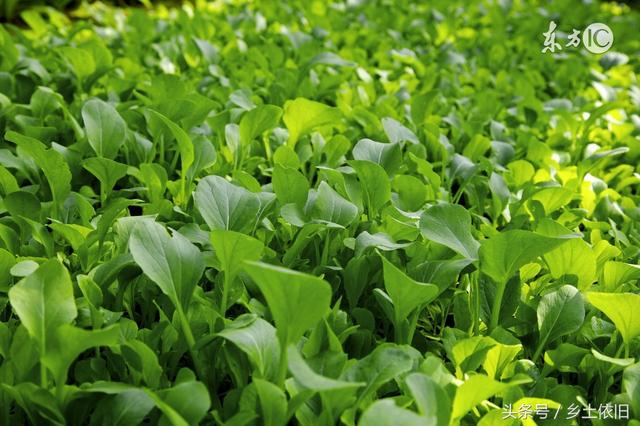
Throughout its entire growth process, bok choy has a large demand for fertilizer and water. To ensure sufficient nutrients for the plants, nitrogen fertilizer can be the main one, with potassium fertilizer secondary; it can also be flushed into the furrows together with water. Remember that the field must not accumulate water, so as to avoid excessive humidity bringing diseases to bok choy.
After sprouting, when the plants have grown about 4 true leaves, you can fertilize them to promote seedling growth. If growing at home, you do not need to thin the seedlings; if you are eager to taste them fresh, you can pick and eat them when the plants reach 4-5 true leaves. If growing under protection, thin the seedlings appropriately, with a plant spacing of about 5 cm, and when they grow to 20 true leaves they can be harvested in a concentrated way for market.
Busy with work and preparing in a hurry, if there is anything unclear, I hope you will understand, or leave a message or send a private message to ask.
The WeChat public account with the same name [Xiangtu Yijiu] welcomes you to follow and subscribe! Focused on agriculture, rural areas, and farmers, sharing crop planting experience and techniques. Any question will be answered!