A comprehensive rundown of dental implant myths: how many did you believe?
Tooth loss is a common oral condition, especially among middle-aged and older adults, who often experience single tooth loss, multiple tooth loss, or even loss of half or all of their teeth. However, it is important to note that if missing teeth are not replaced for a long time, it will not only seriously affect facial appearance, but also damage oral health, leading to periodontitis, tooth decay, crooked teeth, large gaps between teeth, and more.
Today, dental implants are recognized by the medical community as the preferred method for restoring missing teeth. They are natural-looking, sturdy and durable, and resemble real teeth, which is why they are called "humanity's third set of teeth." However, many people still have misconceptions about them, so today we will debunk these myths for you.
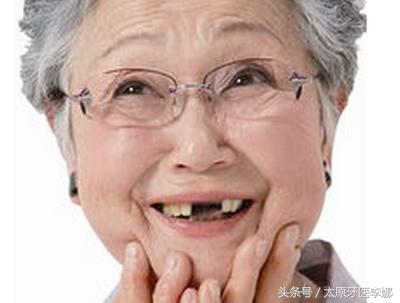
Myth 1: Dental implant surgery must be very painful!
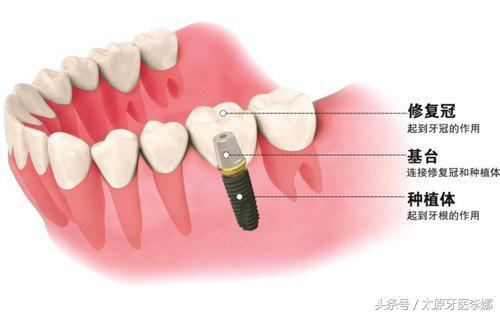
Unlike porcelain fused to metal crowns, which rely on adjacent teeth for support, and unlike removable dentures, which need clasps and bases for fixation, a dental implant itself consists of two parts: the implant body and the crown. The implant body is first placed into the alveolar bone, and after the implant integrates closely with the alveolar bone, the abutment and crown are installed to complete the implant restoration. Dental implants resemble real teeth and have their own artificial tooth roots, so they are very stable.
But precisely because the implant body must be placed into the alveolar bone, many people think the surgery must be very painful. Now, experts tell you that this idea is wrong!
Many people think dental implant surgery is a frightening major operation and dare not try it even when they actually need it. In fact, with advances in medical technology, dental implant surgery is only a minor procedure. The patient is given anesthesia during the surgery, so there is no sensation at all during the procedure. At the same time, minimally invasive techniques are now available, with less bleeding after surgery and less swelling and pain. The pain and trauma can even be less than that of a tooth extraction. The only difference is that implant surgery requires a precise operating process and places high demands on the doctor's skill. So, by the way, a reminder: even if a doctor with poor skills performs a minimally invasive procedure on you, there will still be many adverse reactions later. The key is to choose a legitimate hospital and a professional doctor.
Myth 2: After full tooth loss, does every tooth need an implant?
Many people do not pay attention to oral hygiene and also do not take tooth replacement very seriously, so they only regret it after all their teeth are gone. If you have no teeth at all but want dental implants, do you really need to place implants for all 28 lost teeth in your mouth?
Of course that is impossible! With no teeth at all, there is no place for retention, so porcelain fused to metal crowns naturally cannot be used directly for restoration. And using removable dentures directly over the gums also brings a certain degree of discomfort. In this case, you only need to place a small number of implants in the alveolar bone to form "bridge piers," and then install porcelain fused to metal crowns or removable dentures on the "bridge piers" to restore stable and free function.
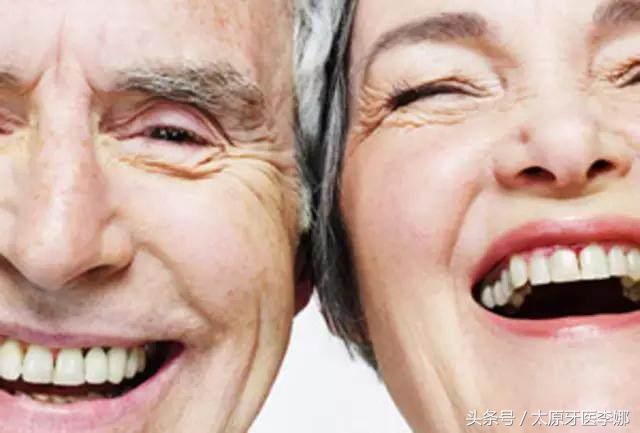
Myth 3: Dental implants are of little value for older adults
This claim is actually wrong. In fact, dental implants are even more meaningful for older adults. Tooth loss is very common among older adults, and most cases involve multiple missing teeth or complete tooth loss. When too many teeth are missing, chewing function drops sharply, seriously affecting daily diet and life, causing great harm to digestive tract and gastrointestinal health, and even threatening overall health.
A common restoration method for older adults, removable dentures, has poor retention, tends to loosen and fall out, and has low chewing efficiency. In addition, because removable dentures mainly rely on the mucosa and alveolar bone below the missing teeth to support biting force, they can easily lead to gradual atrophy of the dental ridge. Dental implants, by contrast, are not only sturdy and durable, but can also prevent bone atrophy, and are clearly better than removable dentures and other restoration methods in restoring chewing function, maintaining oral health, and preserving facial appearance.
Therefore, if conditions allow and all aspects meet the requirements for dental implants, older adults are advised to choose dental implant restoration for missing teeth as much as possible.
Debunk the myths and replace missing teeth in time. No matter which tooth replacement method you choose, you cannot leave missing teeth untreated, otherwise more and more teeth will be lost and oral health will deteriorate further. Oral health means overall health.