Which patients are suitable for dental implant surgery?
After learning about the advantages of dental implants, many patients with missing teeth will choose implant surgery when conditions allow, but not all patients can undergo dental implant surgery directly.
So, which dental patients are suitable for dental implant surgery?
1. Missing teeth with no natural teeth behind them, and several teeth involved:At this point, no matter which method is used, the results are not ideal, while dental implants provide the most ideal restoration.
2. Missing front teeth, along with several other teeth:If removable dentures are used for restoration, clasps or bases are needed, which affect appearance and pronunciation. Choosing dental implants is as beautiful as naturally grown teeth, completely avoiding the trouble caused by dentures.
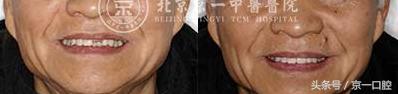
3. Half-mouth missing teeth:If removable dentures are used for restoration, as age increases, the upper and lower alveolar bones shrink severely, and the dentures may shift or lift during tongue movement and chewing, damaging the mucosa and causing oral mucosal ulcers. Long-term oral mucosal ulcers can lead to oral mucosal canceration. Dental implants can completely avoid the above situations.
However, when choosing where to get dental implants, in addition to the materials and systems being imported, another aspect is to choose a regular hospital for treatment. Regular hospitals have matching technology and equipment, and also have an experienced and highly skilled expert team, which can not only greatly improve the safety of dental implants, but also extend the service life of dental implants.
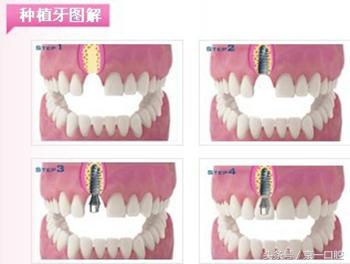
After dental implant surgery, what people care about most is how to care for the implants afterward. What should be noted in the later care of dental implants?
Dental implants are the best method for restoring missing teeth, but to achieve good implant results, patients must pay attention to care in the later period. So what should be noted in the later care of dental implants?
1. Let dental implants bear the chewing function reasonably and prevent excessive force.
Patients should follow the doctor's advice, and at the same time gradually figure out for themselves which foods are suitable for chewing with dental implants, so that the implants can perform at their best. Dental implants are more wear-resistant than natural teeth, and over time the implants may become relatively higher than the surrounding natural teeth. During chewing, the implants contact first, and excessive burden often causes occlusal trauma.
2. Do a good job of daily cleaning of the oral cavity and dental implants.
Poor oral hygiene can easily cause peri-implantitis. In addition to insisting on brushing once in the morning and once in the evening every day and rinsing the mouth after meals, special attention should also be paid to the hygiene of the dental implants. The key areas for cleaning are the neck of the implant and the surrounding gum tissue. When brushing, choose a toothbrush with moderate bristle softness and rounded ends, and use toothpaste containing a soft abrasive and warm water.
3. Smoking increases the incidence of inflammation in the tissues around dental implants.
Therefore, after implant surgery, patients should reduce smoking, and it is best to quit smoking.
4. Regular reexaminations and medical care.
After dental implant surgery, correct brushing alone is not enough. It is also necessary to regularly go to the hospital for scaling of the dental implants and natural teeth. Generally, every six months, a specialized hospital visit is needed for scaling to promptly remove plaque and calculus that cannot be removed by routine brushing.
5. Regular occlusal adjustment.
Natural teeth always have movement forward and toward the occlusal surface, while dental implants lack the driving force for these two directional movements. Therefore, regular hospital visits for occlusal adjustment are necessary to adapt to the constantly changing occlusal relationship.
If you still do not know whether you are suitable for dental implants, you can subscribe to us, or follow the WeChat official accounts: Jingyi Stomatology, Beijing Jingyi Traditional Chinese Medicine Hospital. Professional dental doctors here can analyze it for you!