When farmers grow ginger, these few precautions should be known
Strictly choose the site and avoid continuous cropping: choose sandy loam, loam, or clay loam with fertile soil, deep soil layer, good aeration, rich organic matter, and strong water and fertilizer retention. The field should be slightly elevated, convenient for drainage and irrigation, and not prone to waterlogging.
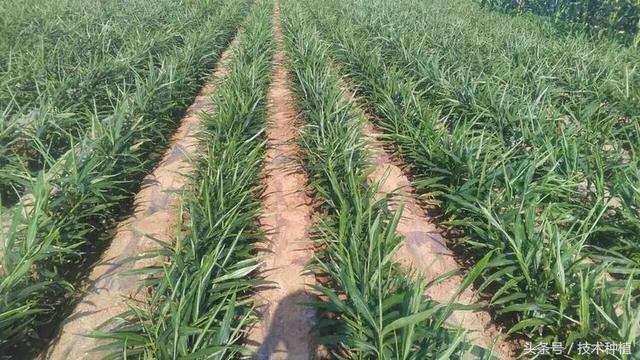
Ginger should not be continuously cropped; it should be rotated for 3-4 years with rice, cruciferous crops, leguminous crops, etc.
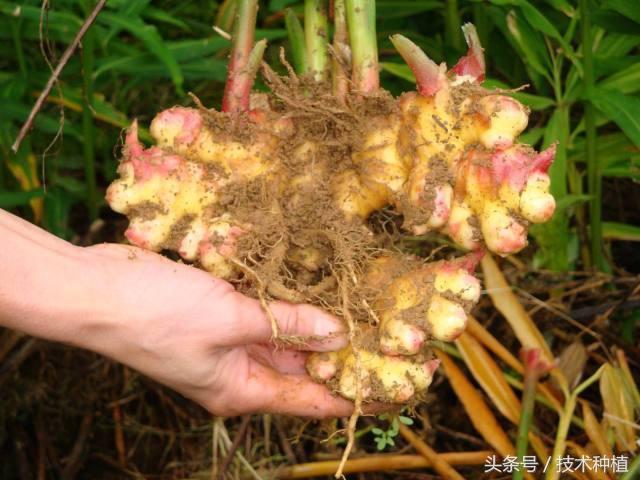
Carefully select ginger seed and promote early sprouting: choose old ginger as seed ginger that is plump and full, with bright skin color, fresh flesh, firm texture, 1-2 strong buds, weighing 50-75 grams, and disease-free.
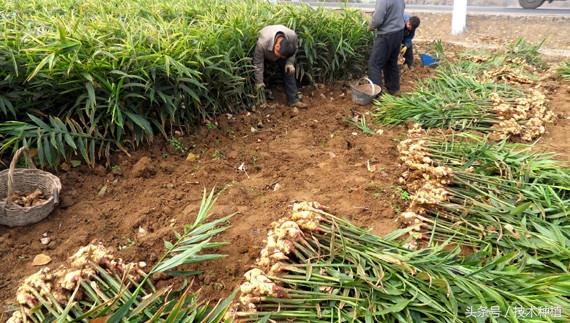
Before sowing seed ginger, soak it in a 500-fold dilution of 50% carbendazim for disinfection. After disinfecting the seed ginger, first sun-dry it for 2-3 days. When the surface of the ginger pieces becomes shiny, it can be piled up, covered with rice straw for insulation and sprouting promotion, kept moist, with the temperature controlled at 20-25°C. When the ginger sprouts grow to 1 cm, they can be sown.
Ginger stem and vine management:
1. Trellising: After yellow ginger emerges and the stems reach 30 cm in length, trellises should be set up as soon as possible. Insert pre-prepared bamboo or wooden poles about 1.5-1.8 m long and finger-thick into the outer edges of the furrows or holes, one pole per clump, and tie every four upper ends into a bundle in an "x" shape to facilitate weeding and topdressing. The tying point should be 1.2-1.4 m above the ground. Guide the stems and vines onto the trellis and let them grow along it, and pay attention to controlling the growth height of the stems and vines.
2. Topping: When the main stem vine grows to a certain height (1.4-1.5 m) and reaches the top of the trellis, or when the side branches reach 20-30 cm in length, the main stem and side branches should be promptly topped to control vegetative growth; when buds appear and flowers bloom, the flower buds should be removed promptly, generally once every 10 days, to reduce nutrient consumption and promote the transfer and accumulation of nutrients to the underground rhizomes.
Do a good job in pest and disease control: The main diseases are rot disease and leaf spot disease. Rot disease generally begins in July, with the peak incidence period from August to September. When diseased plants are found, pull them out promptly, dig out the pathogen-carrying soil, spread lime in the diseased holes, and fill them with clean, sterile soil.
In the early stage of leaf spot disease, spray with a 800-fold dilution of 50% chlorothalonil, once every 7-10 days. The main pests are ginger stem borers and ginger maggots, which can be controlled by foliar spraying with trichlorfon or phoxim.