How to Grow Apple Bonsai: Cultivation Techniques for Apple Bonsai
How to Grow Apple Bonsai: Cultivation Techniques for Apple Bonsai - Apple bonsai can not only be used for ornamental purposes, but if you grow it well, you can also taste delicious apples. So how can you care for a pot of apple bonsai? Let's take a look below!
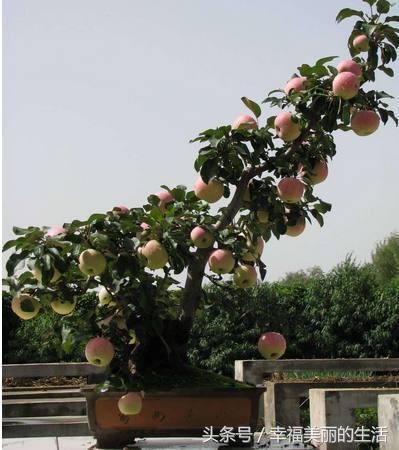
1. First, you need to choose a flower pot with relatively good drainage, and prepare nutrient soil for later use; if you want to mix the nutrient soil yourself, you can choose fertile mature soil, river sand, and decomposed sheep manure (rotted leaves or fermented horse hoof fertilizer) in a ratio of 6:2:1. If you find it troublesome, you can buy ready-made nutrient soil;
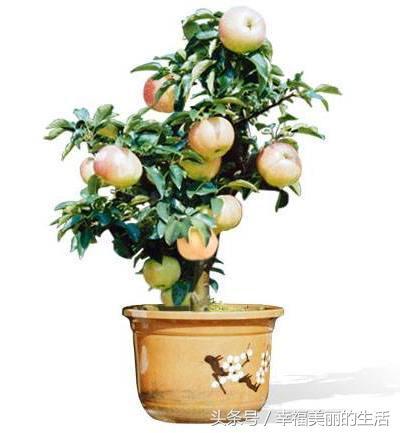
2. Choose suitable apple seedlings and carry out the potting work. It is generally recommended to choose apple plants that are robust, have plump buds, and are free from pests and diseases; the potting time is generally set in early to mid-April; the specific process is as follows:
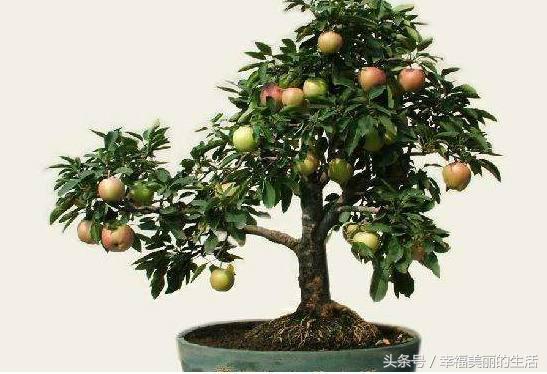
1. First, disinfect the roots of the apple plant by soaking them in 5-degree lime sulfur mixture, then prune the roots, and place them into a flower pot with a small amount of potting soil;
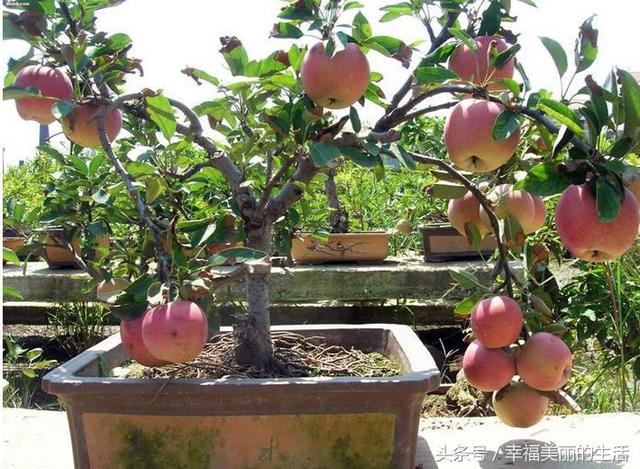
2. Arrange the root system of the apple seedling evenly, then add soil to the pot and firm it down. After doing this work, you should water thoroughly once so as to promote the survival of the apple seedling.
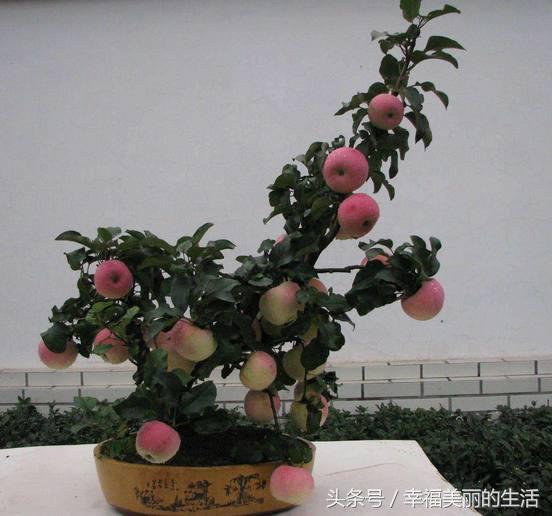
3. Carry out scientific fertilizer and water management. Different periods require different treatment, and the specific methods are as follows:
1. Before and after the apple bonsai buds, you need to apply 0.2% quick-acting nitrogen fertilizer once to the bonsai. Then, entering May, you need to give the apple bonsai a topdressing about every 10 days. Generally, liquid fertilizer is used for topdressing (200 times liquid organic cake fertilizer). Secondly, you can also use inorganic liquid fertilizers such as urea, diammonium phosphate, and ammonium sulfate for the apple bonsai.
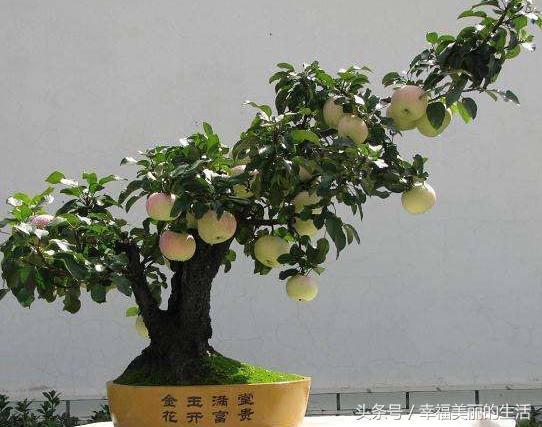
2. During the fruiting period of the apple bonsai, when the fruit enters the swelling stage, you need to apply foliar fertilizer to the bonsai. The foliar fertilizer generally uses 0.3%-0.5% urea and 3%-5% plant ash extract; when the fruit is about to enter the ripening stage, you need to apply 200 times organic liquid fertilizer once every half month; if the fruit has entered the ripening stage, then according to the plant's growth condition, you need to topdress once about every 10 days, mainly with 200 times organic liquid fertilizer, together with 0.2% inorganic nitrogen fertilizer.
3. As for how to water the apple bonsai, you need to grasp the principles of watering. Generally, if the soil in the pot has dried out completely, then you need to water, and generally you need to water thoroughly; secondly, during the budding stage, flowering stage, and fruit swelling stage, the apple bonsai has a relatively large demand for water, so you need to replenish water in time. In addition, if you want to promote flower bud differentiation, then timely water control is necessary.
4. In order to make your bonsai look good, timely shaping and pruning work is very important:
In the process of pruning the apple bonsai, you can prune according to your own preferences. During pruning, you need to pay attention to the angle of the trunk, and you must let all the branches and trunk of the apple bonsai receive sunlight, because this is not only beneficial to the growth of the branches and trunk, but can also promote the formation of flower buds, thereby obtaining a better harvest. The specific pruning methods are as follows:
1. You can use the coiling branch-pulling method to inhibit the growth vigor of the apple bonsai, thereby encouraging it to produce more branches; if your apple bonsai has already been planted for one year, then you need to pinch off the growing tips.
2. You can tie and train the newly grown shoots to cultivate the tree shape, and at the same time prune the water sprouts and competing branches; in addition, if you want the apple bonsai to bear fruit early and bear more fruit, then in the usual cultivation process, you need to do a good job of twisting shoots, pinching tips, scoring, and girdling the bonsai branches to promote the formation of flower buds, thereby achieving the goal of early fruiting and more fruiting.
3. Once the apple bonsai enters the fruiting stage, the tree shape at this time has generally basically formed. What you need to do then is to reasonably retain and cut the bonsai branches, but it is generally recommended that when doing this work, you should keep the crown stable and the leaf-to-fruit ratio appropriate.
How to Grow Apple Bonsai: Cultivation Techniques for Apple Bonsai - The above is the relevant explanation, and I hope it can be helpful to everyone. If you want your bonsai to not only look good but also provide you with delicious fruit, then while doing the above work well, you also need to do a good job of pest prevention. As for pest control medicines, you can choose fungicides such as carbendazim, thiophanate-methyl, and chlorothalonil.