Money Tree Potted Planting Methods and Care Tips
People often fantasize, "If only I could grow a money tree, then whenever I'm short on money I'd just give it a shake." Of course, that can only be a fantasy; it doesn't exist. But around us there is actually a potted plant that resembles a money tree, called the Money Tree!
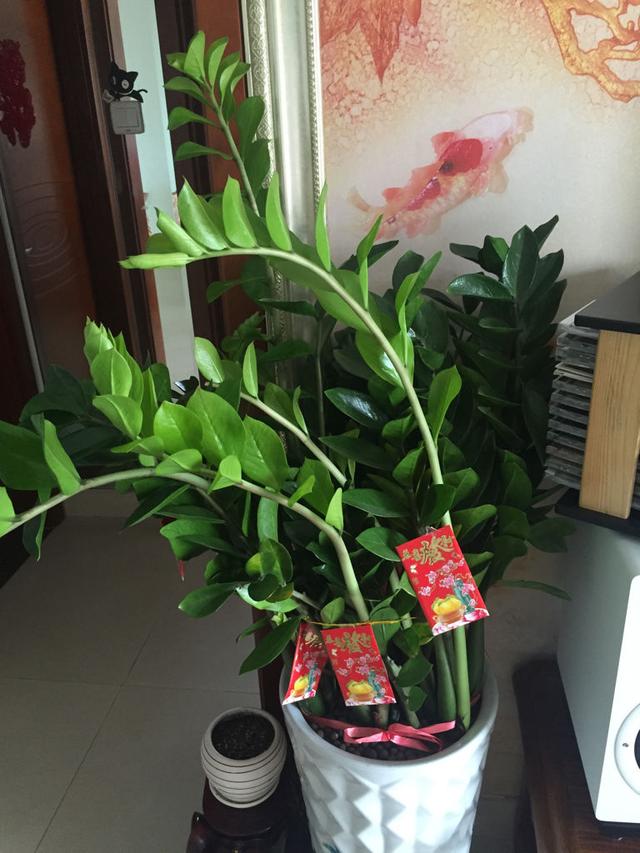
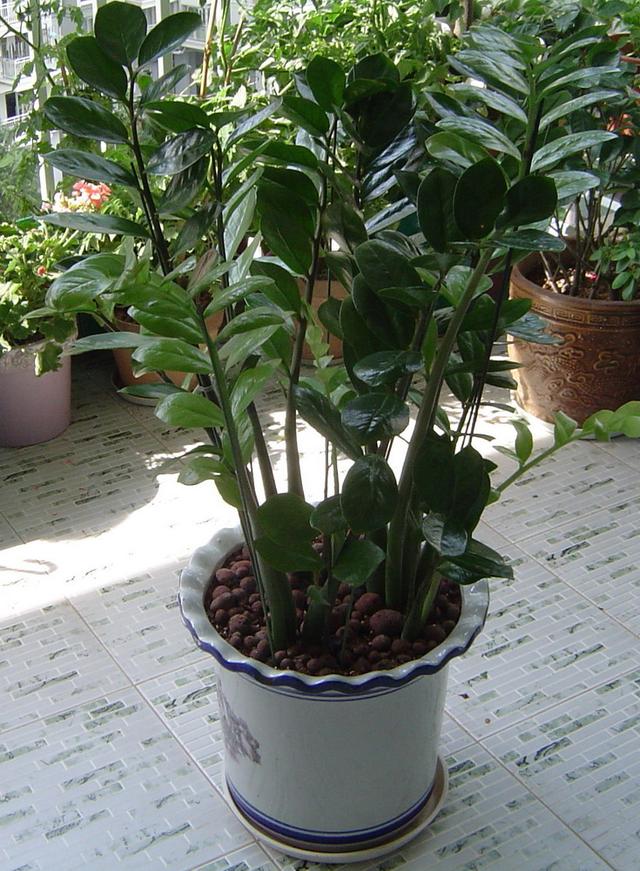
The Money Tree, also known as Zamioculcas zamiifolia, Dragon and Phoenix Wood, and Zanzibar Gem, among other names, is a perennial evergreen herbaceous plant of the genus Zamioculcas in the family Araceae (Aroid family). As an indoor foliage plant, it serves to purify indoor air. Its newly sprouted pinnate compound leaves almost always come in pairs of 2, one long and one short, one thick and one thin, symbolizing the bringing in of wealth and treasure, and prosperity and honor.
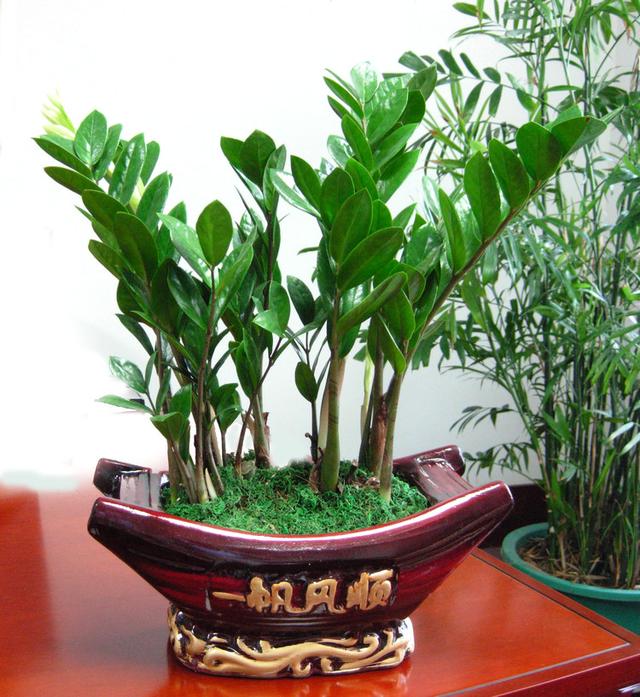
Let's take a look below at its care tips.
I. Morphological Characteristics and Habits of the Money Tree
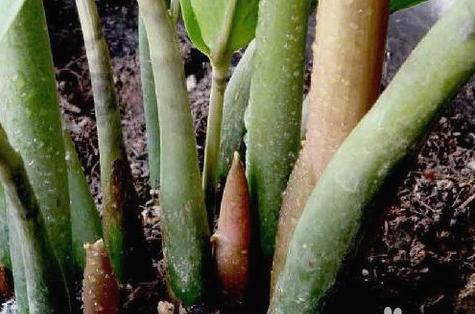
The above-ground part of the Money Tree has no main stem, with a plant height of 50 to 80 cm, and a fat, tuberous stem underground with a diameter of 5 to 8 cm. Adventitious buds sprout from the tuber to form large compound leaves; the leaflets are fleshy with short petiolules, and the sturdy part is the fat tuber; the base of the petiole is swollen and woody; the pinnate compound leaves emerge from the top of the tuber, and each leaf rachis has 6 to 10 pairs of opposite or nearly opposite leaflets. The leaf blades are ovate, thickly leathery, green, with a metallic luster. The spathe is green, boat-shaped, and the spadix is relatively short.
It likes a warm, hot and slightly dry, semi-shaded environment with little variation in annual average temperature, and is suitable for growing at 20°C to 32°C. It is relatively drought-tolerant, but fears cold, avoids strong direct sunlight, and is afraid of heavy, sticky soil and water accumulation in the pot. If the pot soil has poor permeability, it can easily cause its tuber to rot. It has strong sprouting ability; after cutting off the thick pinnate compound leaves, new leaves will quickly sprout from the top of the tuber.
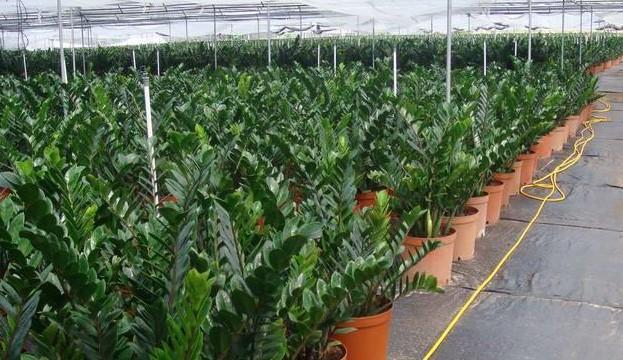
II. Daily Care Tips for Potted Money Trees
1. Planting Methods for Potted Money Trees
Cuttings, division
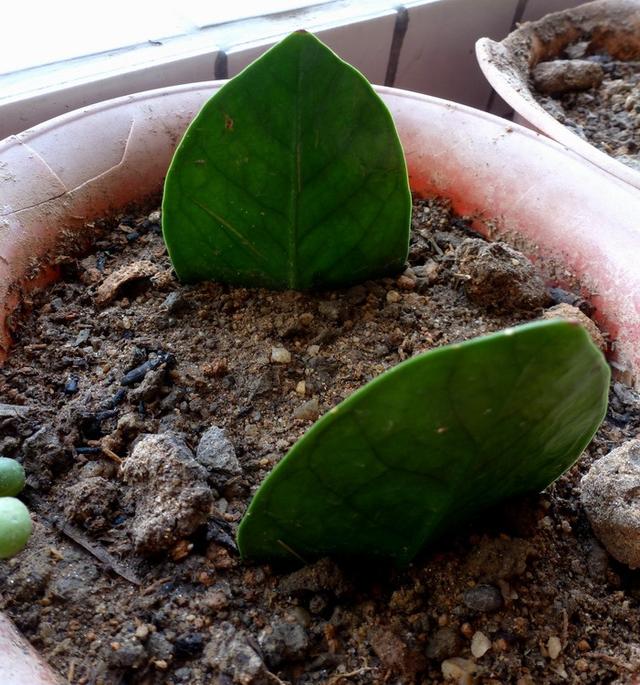
2. Light
The Money Tree is a plant that likes light but is also shade-tolerant. It cannot be exposed to overly strong sunlight and is not suitable for growing under strong light. It is best placed near a window where there is something to provide shade, so that it can fully receive sunlight without the leaves being scorched by excessive exposure. The shading effect should ideally reach 60%; excessive shade will cause the leaves to turn yellow.
3. Soil
The Money Tree has strong drought resistance and needs soil with good permeability. You can mix peat, coarse sand or rinsed coal cinders with a small amount of garden soil, and adjust its pH to between 6 and 6.5, in a slightly acidic state. Because of its large tuber, well-developed root system, and relatively long pinnate compound leaves, during the growing season you should promptly observe its growth to decide whether to repot and change the soil. Always keep the growing soil well aerated and permeable, so as to create a root environment with good air and water drainage. During the plum rain season, check frequently; if water accumulation in the pot is found, promptly repot and change the soil.
4. Watering
The Money Tree likes an environment that is both moist and on the dry side. When the room temperature reaches above 33°C, you should spray the plant with water once a day. It is best to keep the pot soil slightly moist and on the dry side. In winter, pay attention to spraying water on the leaf surfaces and the surrounding environment so that the relative air humidity reaches above 50%. After Mid-Autumn Festival, reduce watering, or replace watering with spraying, to help the newly sprouted tender leaves safely overwinter. In addition, in winter special attention should be paid to the pot soil not being overly moist; being on the dry side is better, otherwise under low-temperature conditions, overly moist pot soil is more likely to cause the plant's root system to rot, or even the death of the whole plant.
5. Fertilizing
The Money Tree likes fertilizer. In addition to adding an appropriate amount of composted cake fertilizer or multi-element slow-release compound fertilizer to the growing soil, during the growing season you can apply a mixed solution of 02.% urea plus 0.1% potassium dihydrogen phosphate by watering 2-3 times a month. You can also apply a balanced fertilizer 20-10-20 (20-20-20) at a concentration of 200-250 ppm in combination with calcium nitrate. After Mid-Autumn Festival, to help it safely overwinter, stop applying nitrogen fertilizer and continuously apply 0.3% potassium dihydrogen phosphate solution 2-3 times, to promote the hardening and filling out of its young leaf rachises and newly sprouted leaves. When the temperature drops below 15°C, all forms of topdressing should be stopped, to avoid fertilizer damage to the roots under low-temperature conditions.
6. Pest and Disease Control
For scale insect damage: in environments with poor ventilation and insufficient light, the leaves of the Money Tree are prone to damage from scale insects sucking on them. For small-scale home cultivation, you can use transparent tape to stick off the insect bodies, or use a wet cloth to wipe off the live insect bodies. For commercial cultivation, during the peak hatching period of the nymphs, you can spray a 1000-times dilution of 20% buprofezin wettable powder, which has a good insecticidal effect.
III. Reminders for Potted Money Tree Care
At noon or in late spring and early summer when the rain has just cleared after a long period, pay attention to sun protection and give the plant appropriate shading.
In winter, the pot soil must not be too moist; otherwise under low-temperature conditions, it will cause the plant's root system to rot, so being on the dry side is better.
When the temperature is below 15 degrees, all forms of fertilizing must be stopped; otherwise under low-temperature conditions, the fertilizer will damage the roots and stems.
In winter when it is especially cold, pay attention to protecting the plant from the cold. At night, you can put double-layer plastic bags over the plant, and when the temperature rises again, remove the plastic bags.
In summer, promptly listen to the weather forecast and prepare early to shade the plant.