What causes dental implant failure?
If a dental implant fails, problems that arise can very easily lead to medical disputes. Because dental implantation is a relatively precise surgery, and the recovery period after surgery is also very long, it is relatively difficult to distinguish responsibility between doctors and patients. Below is a detailed analysis of the specific causes of implant failure.
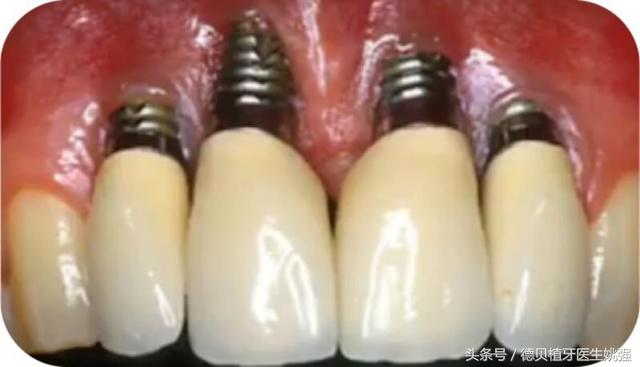
First case: loosening of the implant abutment.
The part of the implant inside the alveolar bone is the implant root. The crown is not placed directly on the root; instead, an abutment is first installed on the root, and then the crown is placed on the abutment. If the crown rotates and becomes loose, and imaging shows a gap at the connection between the abutment post and the implant, this may be because the implant abutment loosened during use due to occlusal forces or other reasons.There is no need to worry in this situation; the doctor only needs to tighten it, and it will not affect the health of the implant.
Second case: fracture of the implant abutment.
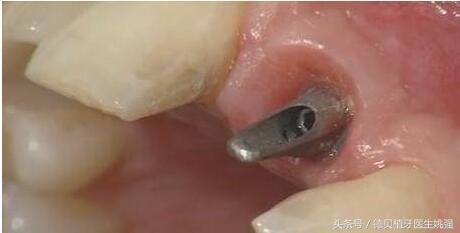
The implant abutment and the crown above it break together, leaving only part of the abutment broken off inside the implant root. This situation may be caused by severe external impact. Because the implant abutment and the root are very strong, they will not break for non-human reasons, so responsibility needs to be judged according to the circumstances.
Third case: peri-implantitis.
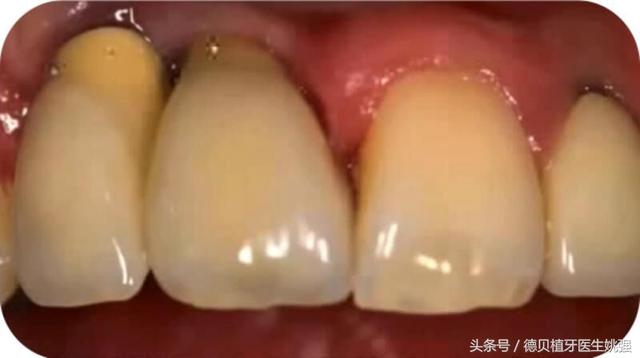
The dental implant is normal, but the gums around the implant are swollen, congested, and have secretions. X-ray observation shows that alveolar bone resorption around the implant is greater than 2mm. This situation is very dangerous. If inflammation persists and alveolar bone resorbs over time, the implant may become loose and fall out. Causes include poor suturing, insufficient soft tissue volume, infection, and so on. Some cases can cause the implant to become exposed, with the cover screw visible, and even the implant visible.
There are many reasons for inflammation after dental implant surgery. It may not only be a problem on the doctor's side, but may also be because the patient did not follow medical instructions for care, causing wound infection.。
If problems occur after dental implantation, can it still be repaired or re-implanted?
Because dental implants need to be used for decades, whether they are successful can be viewed from both short-term and long-term perspectives. Short-term success refers to the absence of peri-implant inflammation, no obvious alveolar bone atrophy, and successful osseointegration of the implant. If some problems occur at this time, such as gum inflammation or implant loosening, you should immediately call the doctor and analyze the causes in detail for treatment.
The judgment of the long-term health of an implant mainly depends on whether the implant can bear normal chewing during eating. If accidental fracture, root fracture from impact, or loosening due to alveolar bone atrophy occurs, contact the implant dentist promptly. For alveolar bone diseases caused by inflammation, the infection problem should be addressed as a priority to avoid implant failure and loss.
After dental implants have been used for some time after surgery, the crown may become loose. That is, the root is intact, but the connecting screw has loosened, which then affects normal use. Customers should not worry when encountering this situation; they only need to go to the Zhide Dental Implant Center for tightening.
As long as the alveolar bone has not suffered massive trauma, severe resorption, or the patient does not have a serious systemic disease, most failed implant surgeries can be re-implanted. However, to avoid excessive expense and the pain of surgery, it is recommended that every friend who gets dental implants pay attention to dental care in daily life. Whether it is a dental implant or healthy teeth, regular checkups, oral cleaning, and periodontal care are needed so that the teeth can last longer!