PGS May Solve the Challenge of Recurrent Embryo Implantation Failure
Recurrent implantation failure (RIF) refers to patients undergoing IVF treatment who have had multiple consecutive embryo transfers but still cannot achieve pregnancy. The currently accepted standard is: women under 40 years of age who have had more than 3 embryo transfers, or more than 4 high-grade embryos transferred without achieving pregnancy. Blastocyst culture and preimplantation genetic screening (PGS) can improve the success rate for patients with recurrent implantation failure.
PGS May Rescue Recurrent Embryo Implantation Failure
The causes of recurrent implantation failure are complex. Embryos and the endometrium are the two major factors affecting successful embryo implantation. Their relationship is like that of seeds and soil: good seeds cannot sprout smoothly without fertile soil, and poor seeds cannot sprout even in the best soil. What we are going to discuss today is how to "discerningly" identify a true "rising star" and select a seed with both high appearance and high potential.
High "Appearance" Does Not Equal High "Potential"
There are different methods for selecting high-potential embryos: morphological scoring, blastocyst culture, preimplantation genetic screening, metabolomics, etc. The currently widely used embryo morphological scoring method is simple and convenient to perform, and the score has a certain correlation with embryo implantation rate, but it cannot fully represent the quality of the embryo and its potential for implantation and development. Morphology-based time-lapse imaging technology can also play a certain role in selection, but the equipment is expensive, and there is still controversy over whether time-lapse technology truly helps in selecting good embryos.
Embryo metabolomics analyzes embryo viability by detecting the metabolic components of the embryo culture medium. Due to the need for special detection techniques, the difficulty of precisely correlating data with clinical outcomes, and the delayed feedback of test results, its application is limited. How can we discover a high-appearance plus high-potential embryo among a batch of embryo seeds? Let's take a look at the "secret weapons" in our hands!
1. Blastocyst culture
Blastocyst culture is a sequential culture method. Building on day 3, the embryo is further cultured in vitro to days 5-6. It is a process of embryo optimization and selection, which means that only embryos with truly good potential can persist to form high-scoring blastocysts. Patients with recurrent implantation failure can consider blastocyst culture to further screen embryos and test their potential. There is already sufficient evidence showing that when embryos develop to the blastocyst stage, the clinical pregnancy rate after transfer is higher than that of cleavage-stage embryo transfer. Assisted hatching (AH) can help embryos hatch and promote embryo implantation.
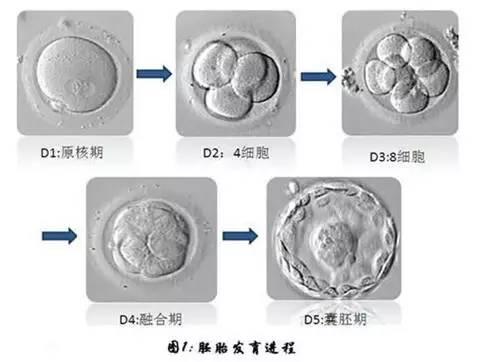
2. Preimplantation genetic screening (PGS)
Embryo chromosomal aneuploidy is one of the causes of embryo implantation failure. For recurrent implantation failure, PGS can be considered to further select embryos and screen out truly good embryos with normal chromosomes for transfer, which can improve the implantation rate.
What is PGS?
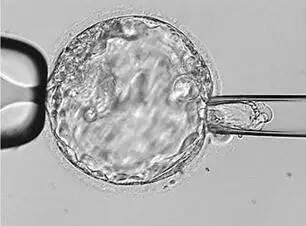
Preimplantation genetic screening (PGS) refers to screening the embryonic chromosome set during in vitro fertilization procedures and selecting normal embryos for implantation, in order to improve IVF outcomes. In simple terms, it uses genetic testing technology to select the right high-potential embryo seeds for implantation.
Which patients are suitable for PGS?
According to current international consensus, the populations suitable for PGS include the following categories:
1) Women older than 35 years of age (AMA);
2) Recurrent spontaneous abortion 2 or more times (RM);
3) Recurrent implantation failure (RIF), with no pregnancy after 3 or more high-scoring embryo transfers;
4) Severe male factor infertility (SMF), with severe oligoasthenozoospermia or teratozoospermia in the male partner;
5) Others: elective single embryo transfer (eSET), etc.
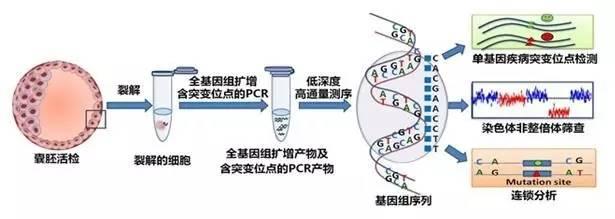
With the proficiency of biopsy techniques and the development of chromosomal molecular diagnostic technology, the use of blastocyst biopsy combined with new whole-genome microarray or sequencing technology for embryo screening has become the standard configuration of PGS. Selecting high-appearance plus high-potential embryo seeds is no longer a myth!
At our center, for more than 80 patients with unexplained recurrent implantation failure and recurrent miscarriage, we performed PGS to screen embryos and achieved a sustained pregnancy rate of ~70%. The excellent seeds selected through such strict screening perform outstandingly in improving embryo implantation rate and reducing miscarriage rate, making it an effective measure for improving assisted reproduction outcomes in patients with recurrent implantation failure.
About the author:
Wu Wei, Associate Chief Physician
Reproductive Center, Jiangsu Province Hospital
The most authoritative reproductive and genetic diagnosis and treatment service platform, "Puhe Yuyu" is right by your side. (WeChat ID: puheyunyu)