The four key steps of strawberry cultivation are all indispensable
Old Wang counts as a major grower in their village, and he has grown almost every kind of fruit and vegetable, but he just never made money. Seeing that growing strawberries seemed quite profitable, he planted all his dozens of greenhouses with strawberries.
Later, Old Wang could not be happy anymore. Everyone else was busy harvesting strawberries, but his showed no movement, which worried him terribly. So he found Teacher Fu, and through their discussion it turned out there was a problem with his cultivation management. Here I will share it with everyone.
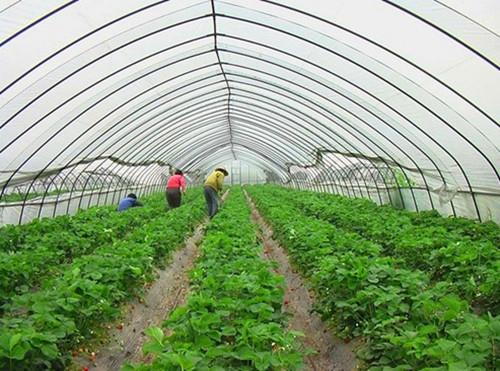
During the growth of strawberries, plant management is very important. It usually includes the following four items.
Strawberry growers remove side buds to improve flower bud differentiation
Remove side buds at any time. Side buds consume a large amount of nutrients from the main stem, and when the main stem's growth vigor weakens, it affects bud differentiation.
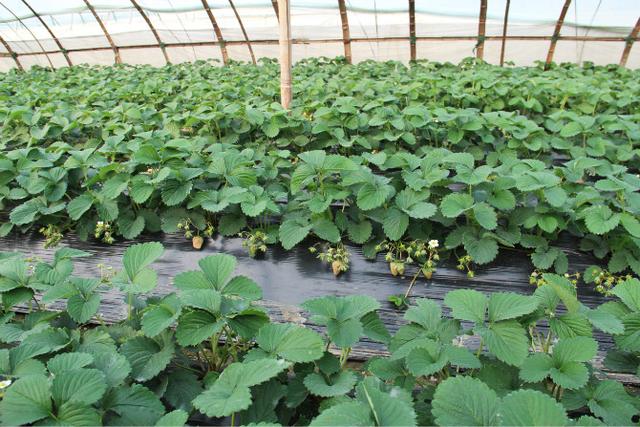
Thinning flowers and fruits on strawberries can also achieve high yields
When flowering, promptly snap off the weak inflorescences below the strawberry plant. This can save nutrients, increase fruit size, promote ripening, make the harvest period more concentrated, and also prevent premature aging of the plant. Generally, it is enough to keep 1st to 3rd order flowers and fruits on each inflorescence. During the young fruit stage, promptly remove deformed fruits, diseased and insect-damaged fruits, etc. This can make strawberries uniform and also achieve high yields.
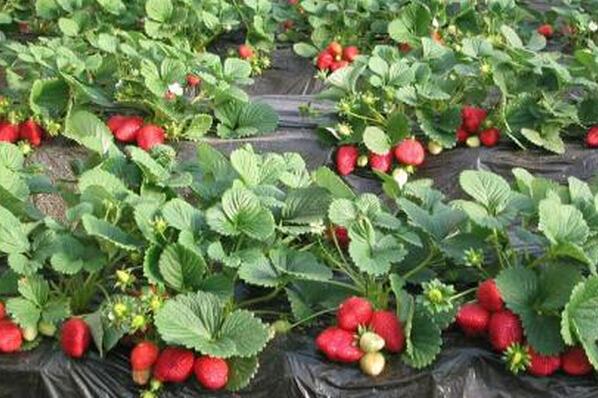
Timely fruit padding has a certain effect on preventing and controlling diseases
After strawberries set fruit, as the fruits grow, the fruit clusters droop and the strawberries come into contact with the ground. Fertilizing and watering can easily contaminate the fruit surface, which not only makes them prone to disease infection and causes rot, but also affects coloring and ripening. Therefore, for strawberry fields not covered with plastic film, 2-3 weeks after flowering, use wheat straw or rice straw as padding beneath the strawberries. Fruit padding helps improve the commercial value of strawberries and also has a certain effect on preventing gray mold and Phytophthora fruit rot.
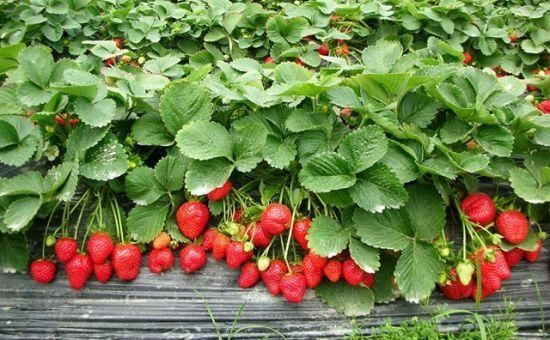
Removing diseased, old and residual leaves from strawberries reduces the spread of pathogens
Strawberry plants renew old and new leaves frequently throughout the year. During the growing season, when the lower leaves of the plant lie horizontally and begin to turn yellow, they should be removed promptly. Overwintering old leaves often harbor parasitic pathogens; after new leaves grow, the old leaves should be removed early, which helps ventilation and light penetration and speeds up plant growth. Diseased leaves should also be removed promptly when found. The removed diseased, old and residual leaves should be burned or deeply buried to reduce the spread of pathogens.
Click "Learn more" for agricultural technology exchange!