What trees are good to plant in the yard? Twelve auspicious trees recommended
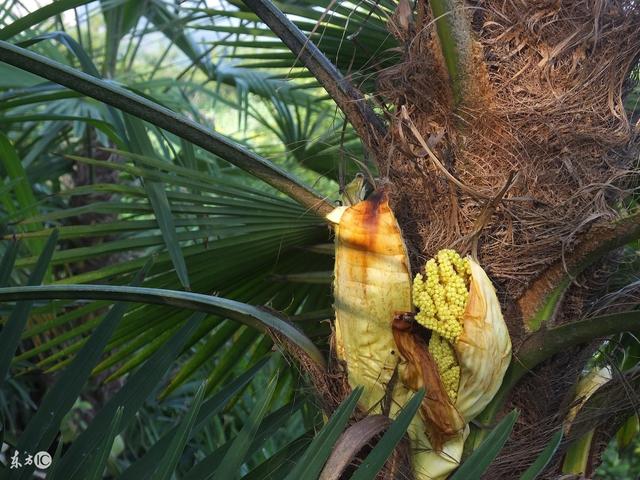
One: The palm tree (Trachycarpus fortunei): It has ornamental value, its trunk can be used for pavilion pillars and the like, and its palm fiber can be used as medicine, with the function of astringing and stopping bleeding, mainly treating hematemesis, metrorrhagia and other conditions. In feng shui it has the effect of generating wealth and protecting wealth.
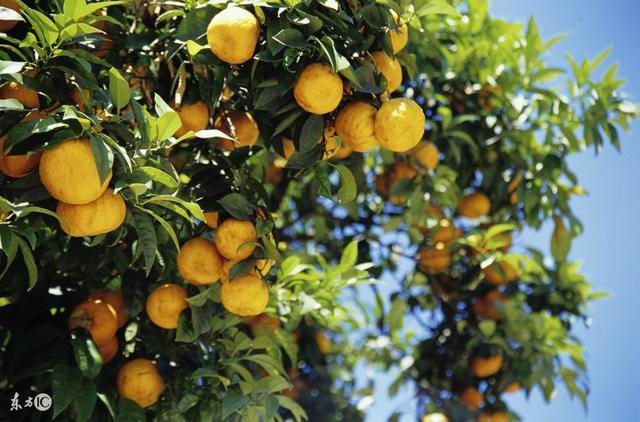
Two: The tangerine tree (citrus tree): Also the orange tree. It symbolizes good fortune; its fruit is red and yellow in color, full of festivity. Potted citrus is an important decoration in people's homes during the Spring Festival, and tangerine leaves have the function of soothing the liver and relieving depression, able to bring joy to the household.
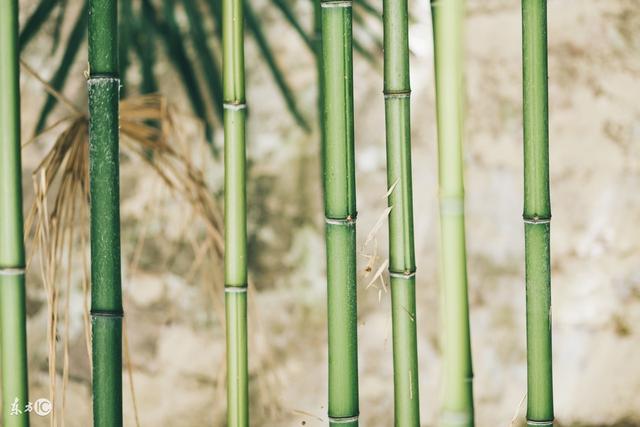
Three: Bamboo: Su Dongpo said: "I would rather eat without meat than live without bamboo." Bamboo is a symbol of elegance and refinement, fearing neither east, west, north nor south, and can even become a feng shui protective forest for the home!
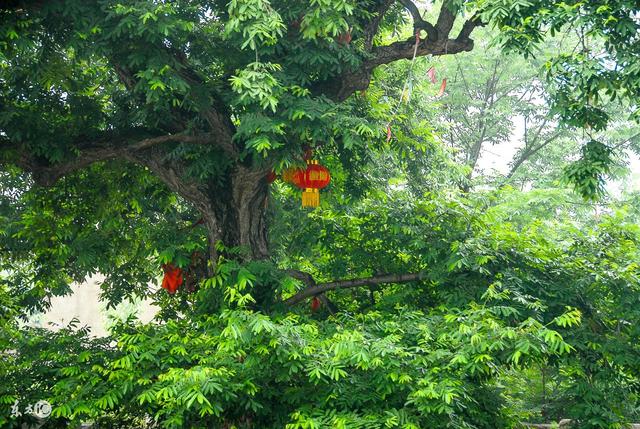
Four: The pagoda tree (Sophora japonica): Its wood is hard and can serve as a greening tree, street tree and so on. In feng shui it is considered to represent "emolument" (official salary). In ancient times the imperial court planted three pagoda trees and nine thorny jujubes; the nobles and high officials sat beneath them, and those facing the three pagoda trees were the Three Excellencies. Therefore, among all trees, the pagoda tree holds an extremely high rank, and has authority in guarding the house.
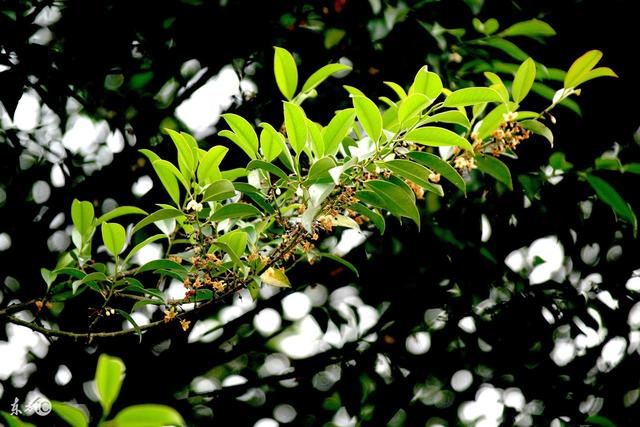
Five: The osmanthus tree (Osmanthus fragrans): Legend says there is an osmanthus tree in the moon. Osmanthus is also called muxi; its twigs can be used as medicine, with the function of warding off wind pathogens and harmonizing. Song Zhiwen's verse says: "Osmanthus seeds fall in the moon, heavenly fragrance drifts beyond the clouds." Osmanthus symbolizes purity and nobility; in summer its fragrance fills the air, making it a natural air freshener.
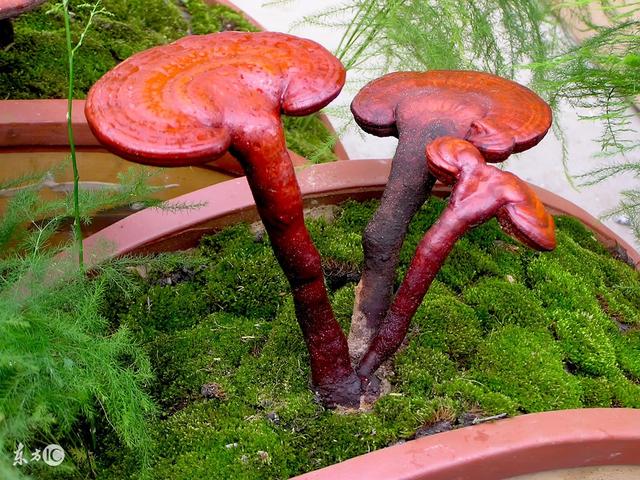
Six: Lingzhi (Ganoderma lucidum): Lingzhi is warm in nature and sweet in taste, benefits vital essence and strengthens the bones and muscles. It has ornamental value and is a sign of longevity. Since ancient times it has been regarded as an auspicious object; a deer's mouth or a crane's beak holding lingzhi to offer birthday wishes is a common theme in auspicious pictures.
Seven: Plum (Prunus mume): The plum tree adapts strongly to soil. Its blossoms have five petals, representing purity and nobility, and its five petals carry the meaning of "the plum blossoms with five blessings," which enhances the good fortune of the home.
Eight: The banyan tree (Ficus): It embodies the meaning "great because it accommodates, firm because it desires nothing"; residents take this as self-encouragement, which helps improve their cultivation and character.
Nine: The magnolia tree (Magnolia denudata), symbolizing wealth and good fortune. A Tang dynasty poet praised it: "Gazing at white magnolias morning and evening, even in old age one finds springtime." If a woman admires magnolias every day and breathes in their rich fragrance, she can grow old in body but keep a child's heart, retaining the years and forever preserving her youth.
Ten: Pomegranate. It carries the auspicious omen of many sons and much blessing, and has a strong air of wealth and honor.
Eleven: Grape. Grapevines twine around vines, symbolizing intimacy. Since ancient times there has been the saying of meeting beneath a grape trellis on Qixi, and cooling off and beating the summer heat in the shade of grapes in summer is also one of life's great pleasures.
Twelve: Begonia (Malus spectabilis): Its blossoms are bright and vivid, bringing wealth and honor to the hall, while the flowers of the cherry-apple symbolize brothers living in harmony and joy together.