Sharing a highly challenging full-mouth edentulous implant case
Everyone has at least some understanding of dental implants. Among implant cases, the most difficult are certainly those with a completely edentulous mouth and extremely poor bone volume. Some netizens have asked before: for a completely edentulous mouth, do you have to place one implant for every missing tooth? And if bone volume is low, does that mean implants are impossible?
Today we will not give a long lecture. We will let the cases speak. Please read on:
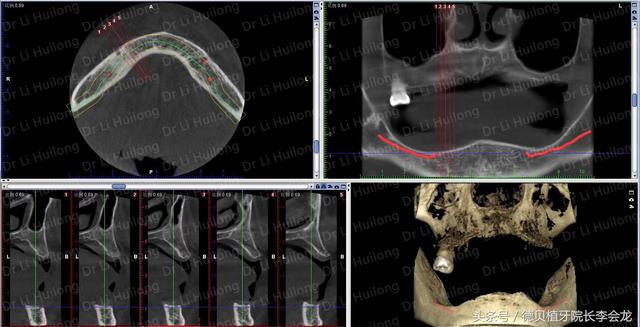
This is one of my patients with a completely edentulous mouth. From the X-ray you can see that only one loose, precarious tooth remains, and the bone volume is especially low and especially poor, with extremely high demands for implantation.
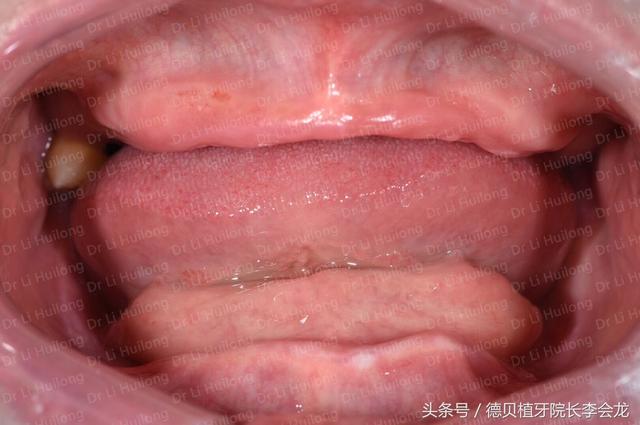
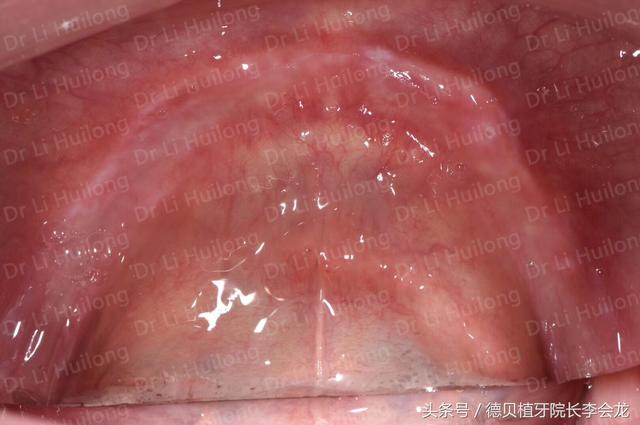
This is the preoperative photo. Because the patient wore dentures all along before having dental implants, the alveolar bone had severely atrophied.
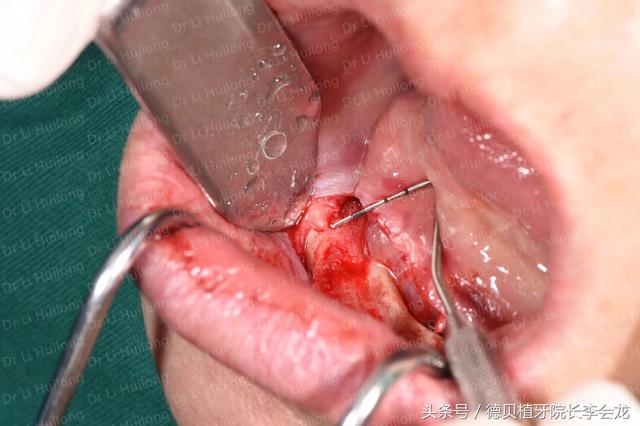
With everything ready, the dental implant surgery begins. A hole is prepared in the alveolar bone, and the artificial implant is inserted.
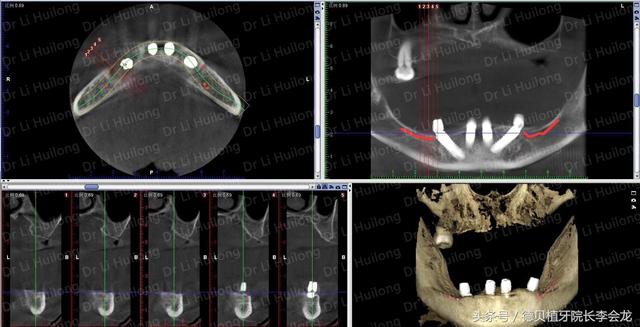
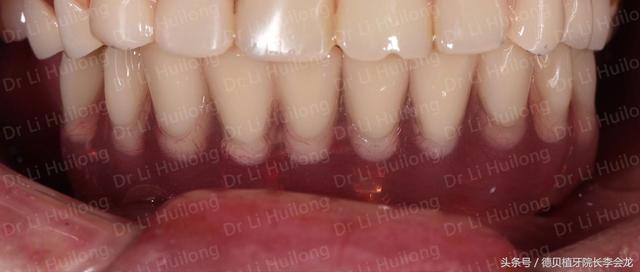
This is the result after implantation. This degree of tooth loss is suited to the All-on-4 implant technique; there is no need to place one implant for every missing tooth.
The ALL-ON-4 half-arch and full-arch immediate implant technique precisely overcomes the impact of alveolar bone volume on implant outcomes, making it possible to perform highly difficult implant treatments such as full-arch, half-arch and atrophied alveolar bone cases. It avoids the drawbacks of ordinary implant surgery, such as greater trauma, being time-consuming and high cost. For patients with severe bone volume deficiency, only 4 implants are needed to complete half-arch missing-tooth restoration, while a completely edentulous mouth requires only 8 implants. In addition, the technique's special insertion method and mechanical design allow the implant roots and crown placement to be completed in one session, and many patients can use their implanted teeth and eat normally the same day.