Can growing wild vegetables make money? Key cultivation points and market prospect analysis
As people's living standards continue to rise, wild vegetables that once symbolized hard times are now favored by people, such as jiu xin cai (Sedum kamtschaticum, a edible stonecrop), Artemisia selengensis (wild Artemisia), shepherd's purse, bitter lettuce and other wild vegetables. They are not only hot sellers on city dining tables, but hotels and restaurants often list them as preferred vegetables. Wild vegetables once seen everywhere have now become a large market urgently awaiting development. The editor's motivational mug, for mutual encouragement
Once inconspicuous wild vegetables have become a favorite of many families. The reason wild vegetables are so popular: first, they are nutritious and can prevent and treat diseases, with good health benefits; second, wild vegetables have strong disease and pest resistance, and chemical fertilizers and pesticides are rarely used during cultivation, preserving their pollution-free, pure-quality characteristics; third, they cater to the consumer trend of returning to nature quietly emerging in cities today. Wild vegetables can be directly classified as green, pollution-free vegetables; they both satisfy people's desire to try something fresh and meet people's demand for "safe vegetables." Today let's talk about the key points and prospects of wild vegetable cultivation.
I. Key points of wild vegetable cultivation
First, wild vegetables can be cultivated year-round, and the method used should be determined by the season and the characteristics of the wild vegetable. In cold seasons, winter warm sheds can be used; in spring and autumn, arched sheds or open-field cultivation can be used; for wild vegetables that do not like strong light when grown in hot summer, shade nets should be used for cultivation.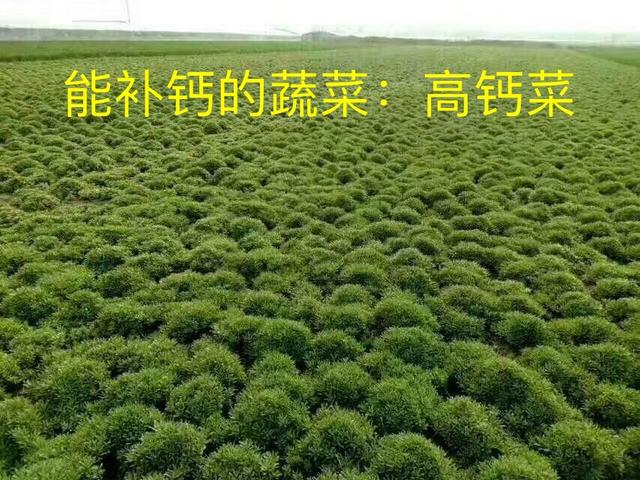
Second, most wild vegetables are harvested for their tender stems and leaves or flower stalks, while some are eaten for their white, plump, tender fleshy roots. Therefore, on the basis of applying sufficient base fertilizer, the soil should be deeply turned and loosened. Topdressing should be mainly nitrogen fertilizer, combined with foliar spraying of monopotassium phosphate, urea and zinc sulfate solution, so as to make the leaves thick and glossy and improve product quality.
Third, most wild vegetables have strong stress resistance and adaptability, with well-developed root systems, but some have well-developed fleshy roots. Therefore, for growing wild vegetables, loose and fertile sandy soil is still best; avoid water accumulation in the field, and ensure irrigation in drought and drainage in waterlogging.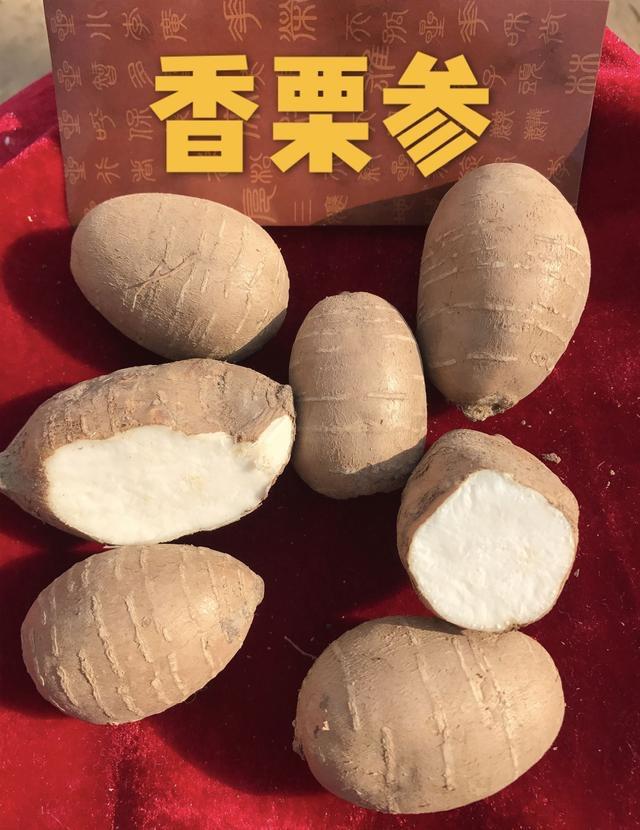 Xiangli shen (a wild vegetable) prefers sandy soil
Fourth, do not use pesticides. To ensure wild vegetables are natural, green and pollution-free, pesticides are generally not applied.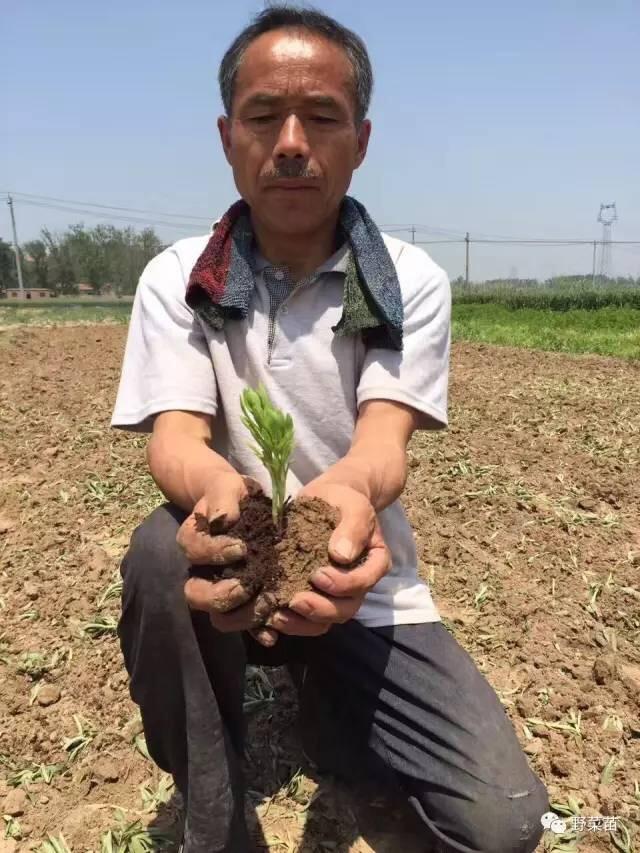
Fifth, wild vegetables are mostly propagated by seed, such as bitter lettuce, shepherd's purse, purslane, lamb's quarters, ginseng vegetable and dandelion. Some wild vegetables have well-developed perennial roots and can be propagated by division, such as goji and mint. Some belong to small shrubs and can also be propagated by cuttings from annual branches; treating them with rooting powder gives better results.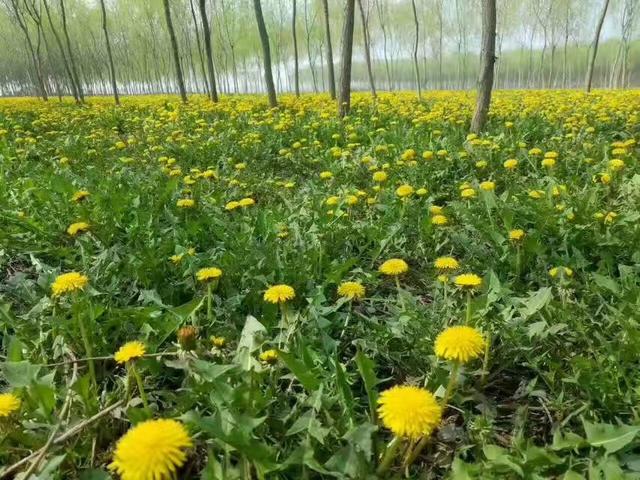
Sixth, you can buy them yourself. Some wild vegetable seeds have already been propagated in batches by research institutions and can be purchased there. For example, the Institute of Vegetables and Flowers of the Chinese Academy of Agricultural Sciences has mastered a considerable number of wild vegetable seed sources. Some local wild vegetables that have not yet been propagated in batches must be collected by yourself from the wild or fields, or propagated by yourself.
II. Precautions for eating wild vegetables
1. Do not eat wild vegetables you do not recognize. Do not eat wild vegetables that are easily mistaken for others, to avoid poisoning.
2. Wild vegetables should be collected fresh. The time between washing and cutting and putting them in the pot for cooking should not be too long, to avoid loss of vitamins and inorganic salts.
3. Pay attention to cooking methods for wild vegetables. Cooking wild vegetables focuses on preserving their "wild flavor"; they can be stir-fried, served cold with dressing, used as filling, or cooked by quick-frying, braising, simmering or boiling. They can also be made into soup or eaten raw. The key is to choose different cooking methods according to the different characteristics of the wild vegetables.
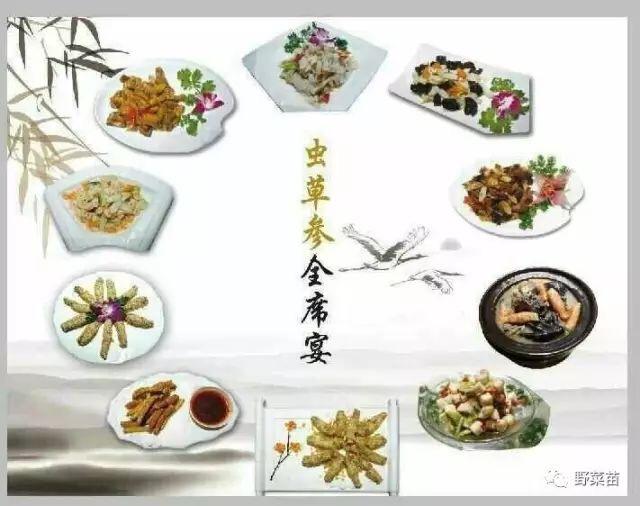
Rare wild vegetable delicacy: Chongcao shen, a full-table banquet, small wild vegetables, many ways to prepare
4. Do not eat too many wild vegetables. Wild vegetables are generally less polluted and indeed have a distinctive flavor; they can truly be called natural food. But moderation applies to everything. Eating too many wild vegetables, because most are cool or cold in nature, can easily cause illnesses such as spleen cold and stomach weakness.
5. Bitter wild vegetables should not be eaten in large amounts. Bitter wild vegetables are bitter and cool in nature and have detoxifying and heat-clearing effects, but eating them in excess damages the spleen and stomach.
6. Wild vegetables left for a long time should not be eaten. Wild vegetables are best eaten freshly picked. Wild vegetables left for a long time are not only not fresh, but also reduced in nutrients and very poor in taste.
7. Do not eat polluted wild vegetables. The air near chemical plants and similar places on the outskirts is poor, and wild vegetables growing there easily absorb lead and other compounds. Wild vegetables by wastewater also often contain toxins, and none are suitable for eating.
8. Wild vegetables that need soaking: some wild vegetables such as yam vegetable and wild garlic are slightly toxic, and if not soaked, eating them causes general discomfort. Before cooking and eating such wild vegetables, they must be soaked in clean water for more than two hours for detoxification.
III. What are the prospects for growing wild vegetables?
1. Things are precious when rare. As people's living standards continue to rise, wild vegetables that once symbolized hard times are now favored by people, such as jiu xin cai, Artemisia selengensis, di shen (a wild vegetable), shepherd's purse and bitter lettuce. They are not only hot sellers on city dining tables, but hotels and restaurants often list them as preferred vegetables.
2. Wild vegetables are very popular: first, because they are nutritious and can prevent and treat diseases, with good health benefits; second, because wild vegetables have strong disease and pest resistance, and chemical fertilizers and pesticides are rarely used during cultivation, preserving their pollution-free, pure-quality characteristics; third, because they cater to the consumer trend of returning to nature quietly emerging in cities today. Wild vegetables can be directly classified as green, pollution-free vegetables; they both satisfy people's desire to try something fresh and meet people's demand for "safe vegetables."
3. The prospects for growing wild vegetables are great. Because market demand for wild vegetables is relatively large and economic returns are good, farmers in many places have brought wild vegetables into their own contracted fields for artificial cultivation. Now wild vegetable cultivation has developed from ordinary open-field cultivation to large-shed and small-shed covered cultivation, allowing wild vegetables that could originally only be concentrated on the market for a short period to be supplied earlier and later, so they are available all year round. For example, the Lvsuyuan Cooperative in Yuncheng County, Shandong Province, established a wild vegetable research institute. While steadily promoting the production of di shen, jiu xin cai, bitter lettuce and shepherd's purse, it has increased cultivation research on xiangli shen, red-fruited Jerusalem artichoke, Artemisia selengensis, golden Kochia and kalimeris, in order to meet the consumer demand of urban and rural residents, hotels and restaurants for wild vegetables and provide farmers with a path to wealth.
A wild vegetable cultivation base in Shandong, using an original ecological cultivation model
<<<<更多野菜资讯敬请关注野菜达人头条号,感谢您的阅读与分享,赠人玫瑰手有余香。谢谢