How to choose soil for growing Welsh onions? The number of times you earth them up matters
Farmers who have grown Welsh onions should know that Welsh onions are fairly adaptable to soil, and can be grown in either sandy loam or clay loam. However, sandy loam has low organic content and poor water and fertilizer retention, so Welsh onions grown in sandy loam have rough and loose white stems, many layers of dry outer membrane, are not crisp and tender enough, have a relatively strong pungent taste, and do not store or transport well. Welsh onions grown in clay loam have white, crisp and tender stems and dense, firm tissue, but because the soil has poor aeration, it is not conducive to the root development of Welsh onions, which easily leads to weak plants, thin and long white stems, and low yield.
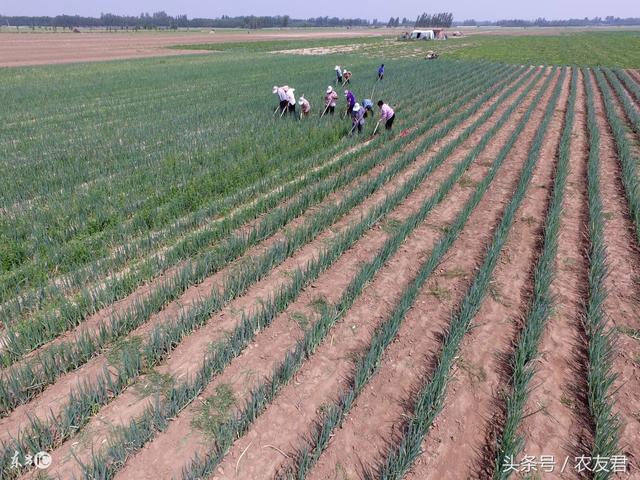
Image is unrelated to the text
So for Welsh onions to achieve high quality and high yield, you should choose deep brown clay loam with loose, granular texture, and also choose land with a deep cultivated soil layer, rich organic matter, and strong fertilizer and water retention for planting.
Since the main edible part of Welsh onions is the white stem, earthing up can soften the leaf sheaths, prevent lodging, and also improve the yield and quality of the white stems, so earthing up is also very key in the process of growing Welsh onions.
Generally speaking, the higher you earth up, the longer the white stems, and the tissue of the white stems is also fuller and whiter. After Welsh onions enter the vigorous growth period, as the leaf sheaths lengthen, you should promptly cultivate between the rows and earth up in stages, moving the ridge soil between the rows into the onion furrows, so that the furrows become ridges
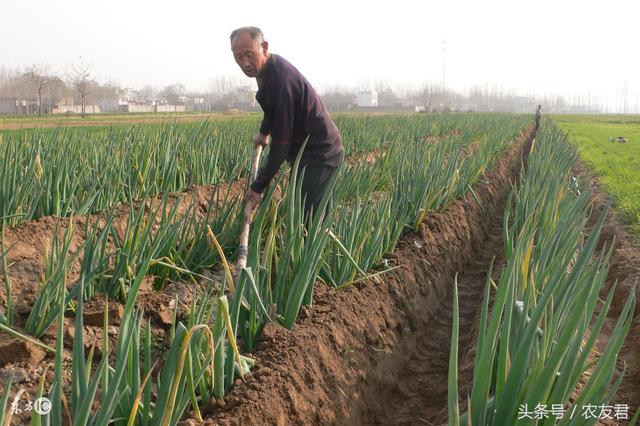
Image is unrelated to the text
The height of each earthing up should be determined according to the growth height of the false stem, piling soil up to the boundary between the leaf sheath and the leaf blade. Be careful to bury only the leaf sheath, not the leaf blade, so as to avoid leaf rot. From the Beginning of Autumn to harvest, generally about 3 to 4 times of earthing up are needed. When earthing up, be careful not to damage the roots of the Welsh onions, and pat the soil on both sides of the ridge firmly to prevent erosion by rain and collapse caused by watering. Earthing up should be done when the soil moisture is suitable; if it is too dry, it is also not easy to work with, and if it is too wet, it easily forms mud, causing the soil surface to crust.
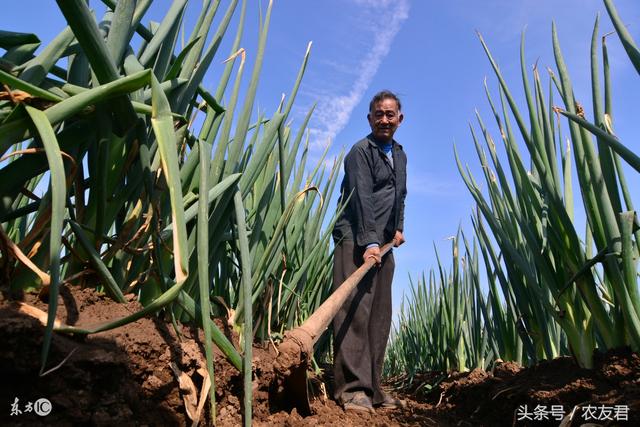
Image is unrelated to the text
Rural areas, farmers, agriculture. Follow Nongyoujun, and we will share with you the things about rural areas, farmers, and agriculture