Detailed Guide to Planting and Caring for Pearl Boxwood Bonsai
How to Plant Pearl Boxwood Bonsai What are the precautions for planting pearl boxwood? Pearl boxwood is an alpine tree species. When planting, do not place it under direct sunlight, and the growing environment temperature must not be too high. You need to provide it with a cool and humid environment, and this ecological condition requires particular attention when artificially cultivating it. Pearl boxwood has yellow wood with an extremely fine grain, and it is hard and attractive, making it suitable for carving high-grade arts and crafts.
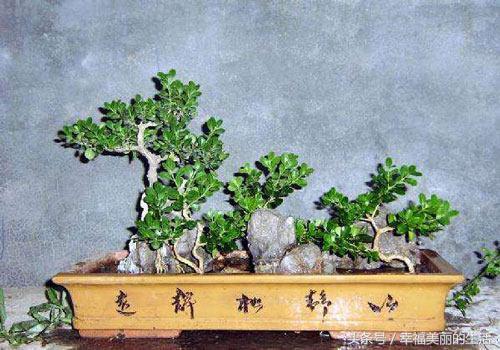
1. Potting pearl boxwood: This tree species can be potted at any time throughout the four seasons of the year, but it is recommended to set the time during the plant's dormant period or the plum rain season. During potting, it is recommended to choose potting soil made of humus soil, paddy field soil, or mountain soil; at the same time, the soil should preferably be slightly acidic, neutral, or slightly alkaline. After potting is complete, it is recommended to place it in a shady, well-ventilated spot; then gradually let it receive sunlight, without being too impatient.
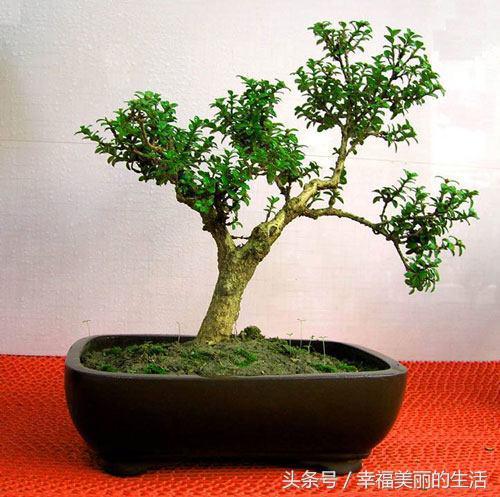
2. During the planting process of pearl boxwood, you need to do a good job of watering. When watering pearl boxwood, you need to follow the principle of not watering when not dry, and watering thoroughly when you do water. Pearl boxwood kept indoors should not be watered too frequently, to avoid water accumulation in the potting soil, which can lead to root rot. It is recommended that when watering, you take into account the changes of the four seasons and what the boxwood needs for growth to water reasonably. In addition, you can also spray water on the leaves to meet the growth needs of pearl boxwood.
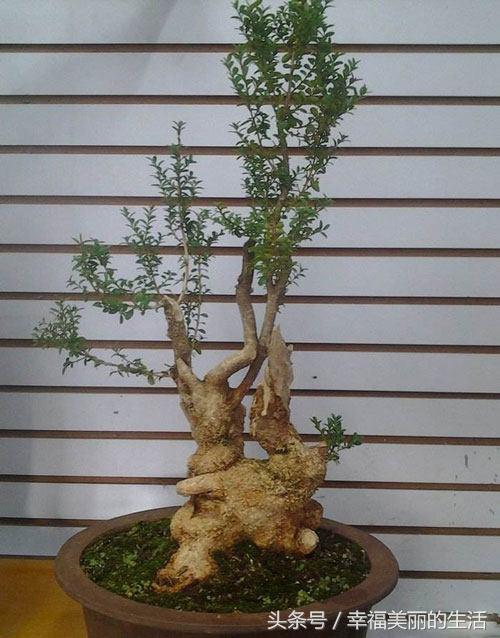
3. Only with reasonable and targeted fertilization can boxwood grow better. Pearl boxwood grows relatively slowly, so its demand for fertilizer is not very great, but this does not mean you do not need to do a good job of fertilizing. Generally, fertilize the boxwood in early spring and early autumn. Pearl boxwood mainly uses nitrogen fertilizer. If you want to use other fertilizers, it is recommended to choose liquid fertilizer to avoid damaging the plant's roots. In addition, note that newly potted plants and plants that have just been repotted should not be fertilized in a hurry.
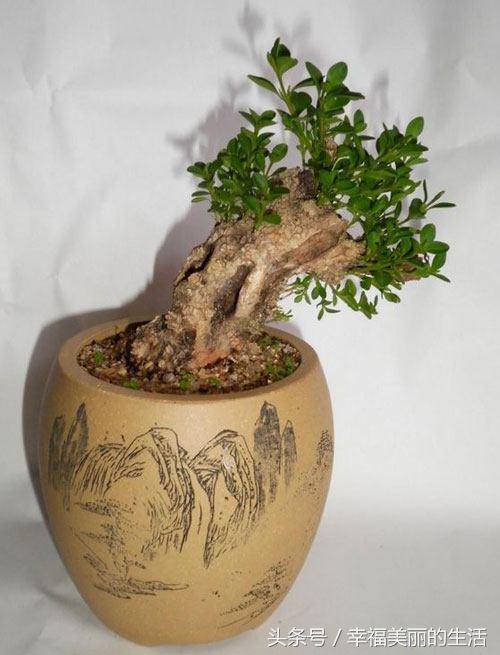
4. Do a good job of pruning to make pearl boxwood more attractive. Boxwood has strong sprouting ability, and to maintain the tree shape it must be pruned several times each year; boxwood can be made into many styles such as the straight-trunk style, slanting-trunk style, and curved-trunk style. The branches and leaves are often wired and pruned into cloud-pad style, and can also be wired into a natural style. When pruning the plant, you should choose to do it after it enters the dormant period; apart from newly sprouted tender branches, pruning during the peak growing period in midsummer can easily cause the branch tips to shrivel. The pruning methods are as follows:
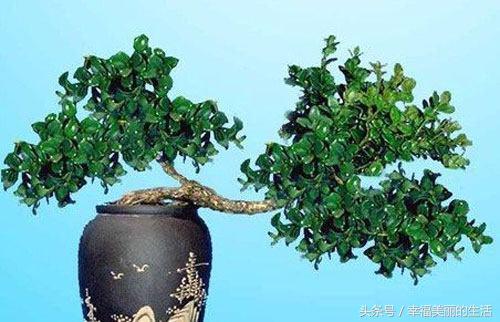
1. Pinching: For branches that grow too quickly, in order to inhibit their height growth and encourage lateral branches to develop flat and extended, you can pinch off the tender tips of their branch ends.
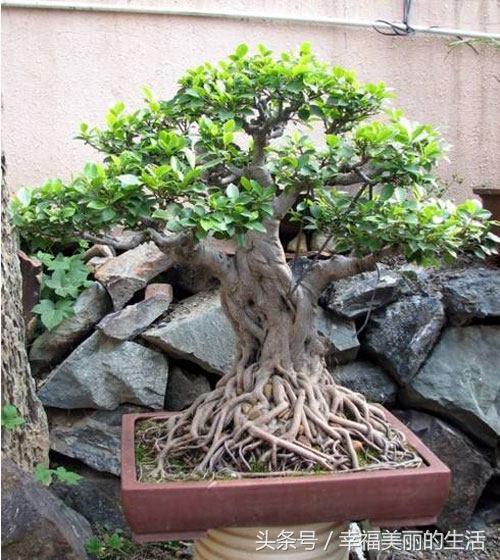
2. Removing flower buds: For older plants, after August to September each year, bead-shaped flower buds often grow on their branches or branch ends. If there are too many, you should promptly remove the ones growing on the branch stems, while keeping those at the branch ends for flower viewing. This can avoid consuming too many nutrients and ensure the plant's branches and leaves are lush.
3. Pruning branches: Pearl boxwood often grows new branches from the base of the trunk. To maintain its attractive shape, attention must be paid to removing them appropriately. The pruning method should be decided according to the tree shape; for example, for a cloud-pad style shape, prune the branches into a flat form. Generally, dead branches, parallel branches, crossing branches, and others that detract from the appearance should be cut off.
5. Do a good job of repotting to let pearl boxwood grow better. Generally, after pearl boxwood has grown for one year, repotting should be carried out. When repotting, choose a pot one size larger than the original, and for the potting soil it is recommended to choose soil with sufficient fertilizer and good aeration and water permeability, so that pearl boxwood can grow better.
The soil and method used for repotting pearl boxwood are largely the same as for initial potting. The repotting time can be decided based on the following aspects:
Whether boxwood bonsai should be repotted needs to be decided based on the condition of root growth. But when the potting soil is neither dry nor wet, you can turn the pot upside down, then pat the bottom of the pot with your hand so that the tree with its soil and roots all comes out, and check the soil clod compaction and root distribution. If the soil clod is compacted and roots densely cover the bottom of the soil clod, then it indicates that repotting is necessary. Repotting can be done in all four seasons, with late spring after new branches sprout or the plum rain season being best.
How to Plant Pearl Boxwood Bonsai What are the precautions for planting pearl boxwood? The above is an explanation of this issue, and I hope it can be helpful to everyone. In addition, when planting pearl boxwood, you need to remove the downward-growing main root and cut off most of the leaves to prevent water loss and ensure survival. You can first grow the stock in open ground, or you can pot it directly, but it must be cultivated for more than two years before you can shape and style it.