How to Choose Mulch Film for Vegetables? Explaining Why Only Black Mulch Film Is Used for Strawberries
Mulch film is a plastic film used for mulch covering, and nearly all protected vegetable cultivation has adopted mulch film covering, even in open-field vegetable cultivation there is quite a lot of mulch film covering. Covering with mulch film has many benefits: it preserves fertilizer and moisture and increases temperature, thereby raising yields, and in greenhouses and sheds it can effectively reduce humidity, greatly lowering the occurrence of vegetable diseases and pests.
Ordinary people have basically accepted the fact that covering vegetables with mulch film has many benefits, but there are now too many types of mulch film on the market: there is our common ordinary transparent mulch film, as well as black mulch film, and also sil...Black mulch film...ver reflective mulch film. So what are the particular considerations in using various mulch films for growing vegetables, and how should we choose in actual production to avoid unnecessary economic losses caused by mistakenly selecting and using the wrong one?
Let us explain the characteristics and usage methods of each type of mulch film separately.
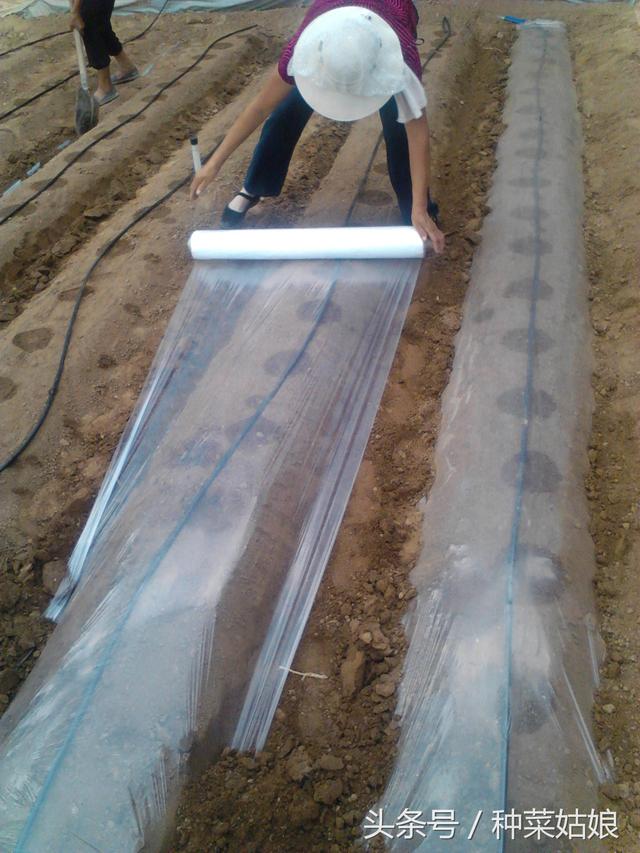
Ordinary light-transmitting mulch film
1. Ordinary light-transmitting mulch film
This type of mulch film is the most familiar and most widely used; its material is mainly polyethylene, and its biggest advantage is raising ground temperature. After covering, it can raise the temperature of the topsoil at about 5cm by 5-6°C. Because of the increase in ground temperature, fruit vegetables, melon vegetables and legume vegetables can be brought to market at least 5-10 days earlier than open-field vegetables. In summer, the soil temperature under the film can reach 60°C, so it can be used for soil disinfection. The disadvantage is that it easily breeds weeds, so appropriate weed control measures are needed.
It is precisely because this mulch film has a good warming effect that it is mainly used for early spring solanaceous fruit vegetable production and winter vegetable production. If used in other seasons, the ground temperature would be too high, which is unfavorable for root growth.
This mulch film also has the effect of preserving fertilizer and improving soil structure, because covering with mulch film reduces the volatilization of nitrogen in the soil and protects it from rain leaching, keeping the soil in a relatively loose state.
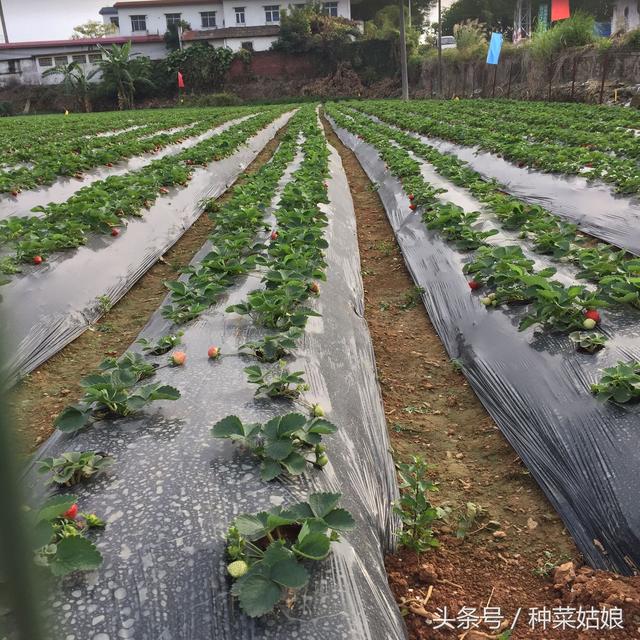
Black mulch film
2. Black mulch film
In recent years, more and more black mulch film has been used in vegetable production. Everyone must clearly understand the advantages and disadvantages of black mulch film and not use it wrongly. Black mulch film is generally made from LDPE; this film is relatively thick and has high tensile strength, and can be used for at least two or three cropping seasons. One main characteristic of black mulch film is its good weed control effect, and it is precisely because of this characteristic that it is used relatively often in strawberry, watermelon and potato production. During strawberry growth, a large number of weeds grow, and herbicides cannot be sprayed either; hoeing or pulling weeds is even less realistic, so the best choice is to use black mulch film.
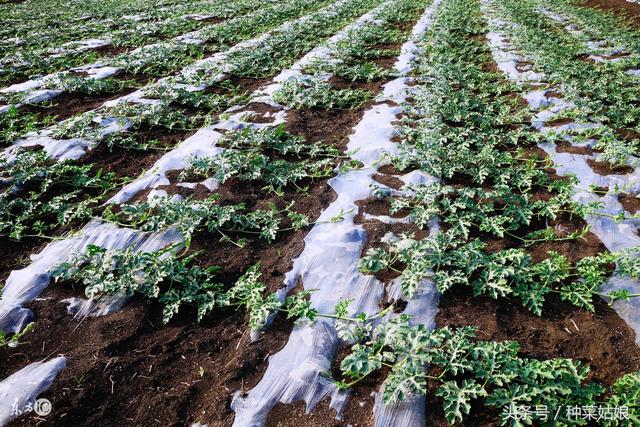
Another characteristic of black mulch film is that after covering, soil warming is not obvious and it may even cool the soil by 2-3°C. It is suitable for vegetables such as tomatoes, green beans and sweet peppers that do not have high soil temperature requirements, or for vegetable production in high-temperature summer and autumn seasons. Some data show that in summer and autumn watermelon cultivation, using black mulch film can increase yield by about 30% compared with ordinary light-transmitting mulch film.
Silver-black mulch film
3. Silver-black mulch film
Silver-black mulch film is also called reflective film; one side is silver and the other side is black, and it is mainly made of PE material. This mulch film is highly functional and also relatively expensive, and is mainly used on plots with many pests, especially many aphids. When using it, the silver side faces up and the black side faces down. The silver side has reflectivity and can repel aphids, thereby reducing the spread of viruses, while the black side can lower the temperature by 4-6°C.
Silver-black mulch film is generally used in summer vegetable production to provide heat-protection cultivation for vegetables and form a good growing environment. It is called the protective umbrella for summer melon and vegetable cultivation, and is suitable for the production of lettuce, carrots, solanaceous fruit vegetables and melon vegetables.
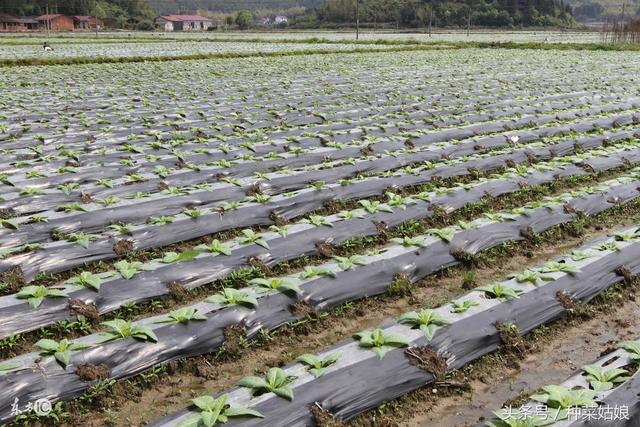
Therefore, when growing vegetables or other crops, we should use different mulch films according to our own needs. If pests are relatively serious, it is best to use silver-black mulch film; if weed damage is especially serious, use black mulch film; if you only want heat preservation and moisture retention, ordinary mulch film is enough, and this kind of mulch film is also the cheapest.