How to grow konjac for high yields? These major growing taboos must be remembered
As the saying goes, one jin of konjac equals ten jin of grain, and ten mu of konjac equals a house. Konjac is no longer just a crop, but an industry, a green industry for getting rich. Konjac has many varieties, and different varieties differ in size. Today, the editor will give you an introduction to konjac.
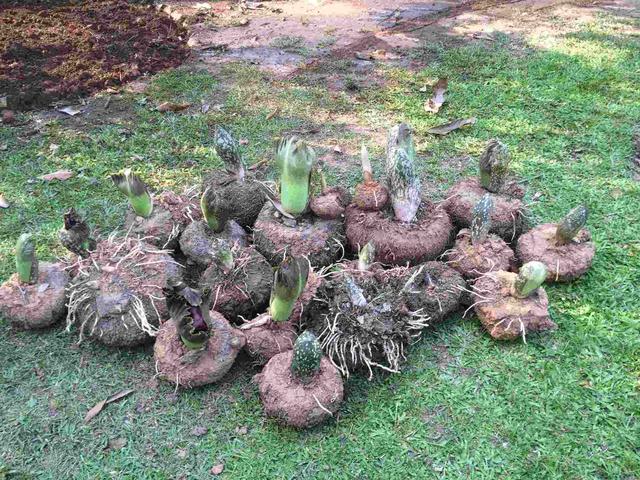
When sowing, several points also need attention. First, when planting, pay attention to mastering the specifications for reasonable close planting. For konjac, the entire area occupied by the aboveground part is more than ten times the flat surface of the underground tuber, and the proportional relationship between the upper leaf area and the underground tuber determines the planting density.
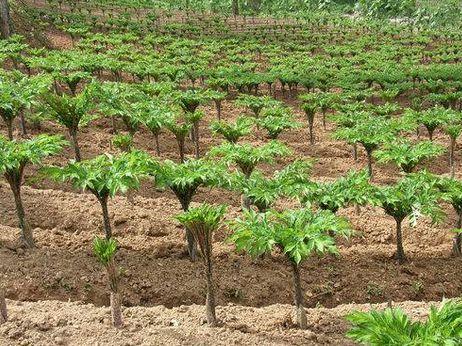
Low-altitude planting:
Many friends learn about konjac cultivation from the internet, and the internet promotes that konjac is only suitable for high-altitude planting. But here the editor wants to say that Sichuan, at an altitude of 400 m, is still one of the main konjac production areas. For large-scale low-altitude konjac planting, several things must be done: ridge planting, digging deep drainage ditches, and covering konjac seed with soil about 5 cm thicker than at high altitude.
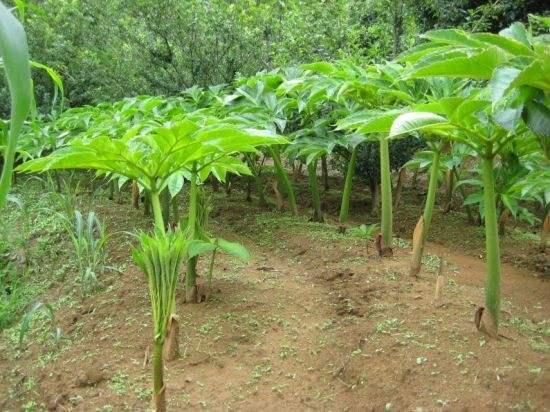
High-altitude planting:
At high altitude, the konjac growth cycle is slightly longer, and high-altitude konjac disease spreads quickly and covers a wide area. Do not go to the konjac field for cultivation in the early morning, otherwise konjac is prone to yellow leaves and rotten stalks. In high-altitude areas, try not to apply urea to konjac.
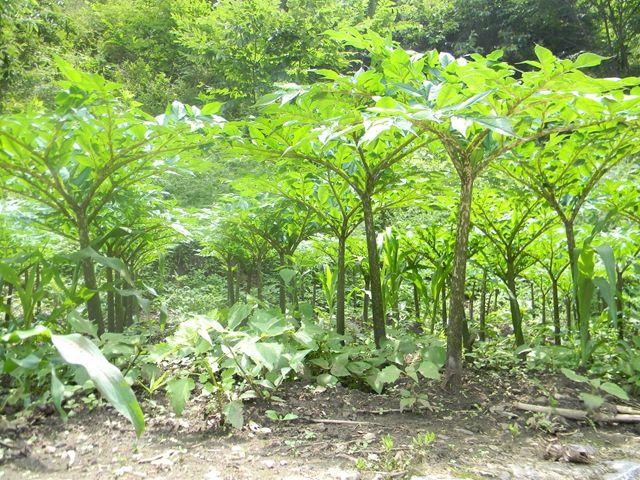
Konjac is both afraid of drought and unsuitable for waterlogging. Therefore, during the rainy season, especially after heavy rain, the planted field plots should be checked in the field, ditches should be cleared for drainage, and the water channels should be kept unobstructed. Combined with clearing the ditches, cultivate the fine soil in the ditches onto the ridge surface. During the growth period, earth up 2-3 times to facilitate the formation and expansion of the corms and prevent the daughter corms from being exposed, and it can also enhance konjac's wind resistance and lodging resistance.
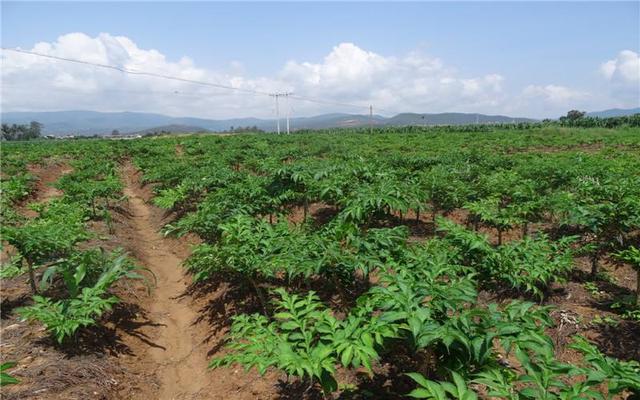
Taboos in konjac cultivation
One: choosing seeds carrying viruses or damaged by frost. If the seeds are not chosen well, no matter how much more you invest, it is wasted. Do you think such seeds can survive? Two: soaking seeds for disinfection, causing cross-infection, so that all the healthy ones become diseased. Three: direct contact between seeds and fertilizer, causing konjac to rot. Five: carrying out konjac farming operations in the early morning when there is dew, causing konjac to get leaf blight.
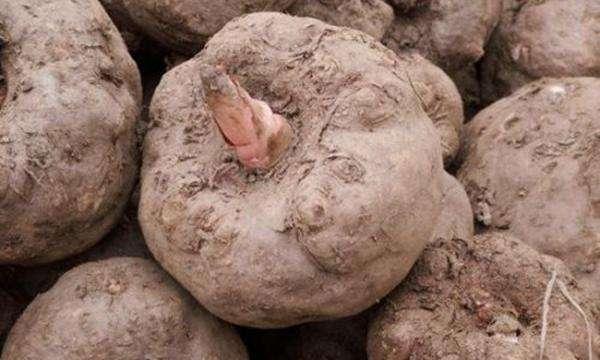
Konjac is also called moyu and guiyu, and is praised by people as a "magic food." There is a saying: "If you don't want to get fat, eat konjac; if you want to get thin, eat konjac; if you want a good stomach and intestines, still eat konjac." Konjac is rich in dietary fiber, and eating some will make you feel very full.
Kudzu root konjac powder
Note: Konjac is afraid of sunscald and flooding. When planting konjac, you must choose fertile land with good drainage. Second, the seeds must be selected from excellent disease-free konjac seeds, and scientific management should be done well in the later stages of konjac management.