An analysis of the pros and cons of dental implants: decide for yourself whether artificial tooth implants are good
Only with a mouth of healthy teeth can you enjoy your food to the fullest, and a good set of teeth can also boost your likability~ But if you eat and drink well without regard for what your teeth can handle, dental problems are inevitable. Most people choose fillings or dental implants, but are you clear about the pros and cons of dental implants? Just as dental implants have a good side, they also have a bad side. Let's take a look at the pros and cons of dental implants!

The pros and cons of dental implants
1. Strong function: They can restore tooth function very well, and the chewing function is greatly superior to other traditional dentures.
2. No tooth grinding: Restoration relies on the implant's own artificial tooth root, so there is no need to grind the healthy teeth next to it, causing no harm to the teeth.
3. Good retention: Traditional dentures' clasps or crowns are not used; the artificial tooth root bonds tightly with the alveolar bone, taking root in the mouth like a real tooth, with strong retention and stability.
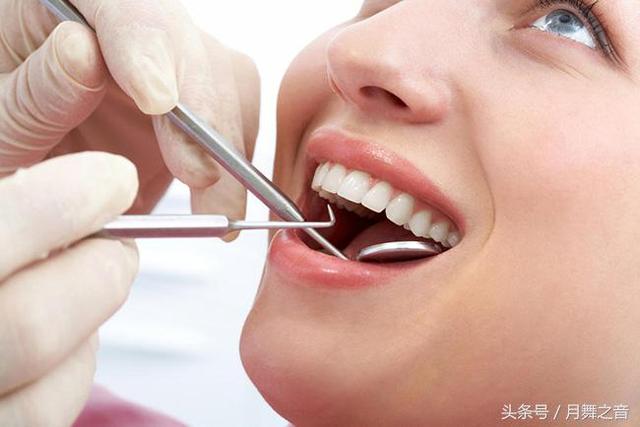
The pros and cons of dental implants
4. Aesthetics: The crown can be made according to the patient's face shape and the shape and color of the other teeth, achieving the best overall coordination and appearance.
5. Comfortable and convenient: The base and clasps required by removable dentures are not used, so there is no foreign-body sensation. It is very comfortable and convenient, and also helps maintain oral cleanliness and hygiene.
6. Simple procedure: Dental implant surgery is a relatively minor alveolar surgery, similar to tooth extraction. It uses local anesthesia, causes little trauma, allows eating right after surgery, and is almost painless. Generally, implant placement takes only several tens of minutes to a few hours to complete. Because the materials used are biomaterials with excellent compatibility with the human body, dental implants do not produce any adverse side effects in the human body. If osseointegration of the dental implant fails, meaning the dental implant is unsuccessful, it can also be removed, and after the bone heals, implantation can be done again, or another restoration method can be used instead.
Possible complications of dental implants:
1. Perforation: During the healing stage, the gingival tissue covering the implant becomes perforated. The cause may be excessive flap tension during suturing or poor suturing; or residual sutures stimulating granulation tissue hyperplasia; it may also be pressure from the restoration, producing a decubital ulcer of the gingiva.
2. Gingivitis: It is caused by poor oral hygiene and plaque stimulation. At this time, the gingival tissue still shows no obvious hyperplasia.
3. Hyperplastic gingivitis: Because the gingival tissue covers or closely hugs the junction between the implant abutment and the bridge, local hygiene becomes poor, producing hyperplastic inflammation of the gingival tissue. Hyperplastic gingivitis is generally treated by surgical methods.
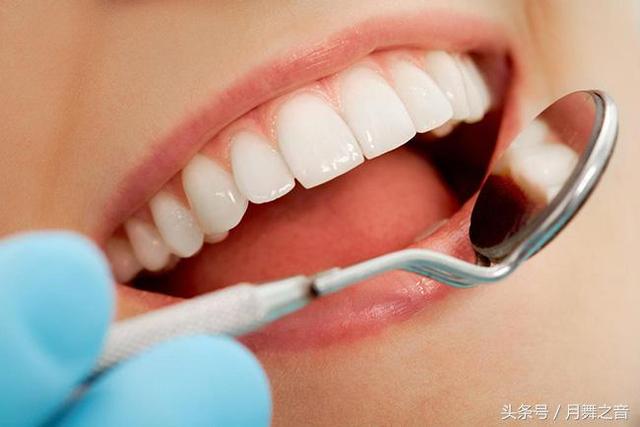
The pros and cons of dental implants
4. Fistula formation: A fistula on the mucosa is related to inflammation around the abutment or implant. It occurs mostly in cases where gingival tissue covers the junction of the abutment and bridge; it can be treated by surgical curettage.
5. Progressive marginal bone resorption: Bone resorption around the implant caused by local inflammation, implant overload, or fracture of the central screw. Scaling is used to remove plaque, and treatment is directed at the cause.
6. Implant loosening.
7. Implant fracture.
8. Other injuries: Mainly caused by poor surgical preparation and design, resulting in the implant penetrating the maxillary sinus, nasal floor, inferior alveolar nerve, or damaging adjacent teeth, or even mandibular fracture.