Fruit radishes sell well without worry, and growers make hundreds of thousands in annual net profit

We are all familiar with radishes and have all eaten them. Radishes are crisp and tasty, rich in nutrients, and many people like to eat them, but have you ever eaten a fruit radish? Muchang Village, Hexiwu Town, Tianjin, China, saw promise in this prospect and developed fruit radish cultivation, leading the villagers onto the road to prosperity.
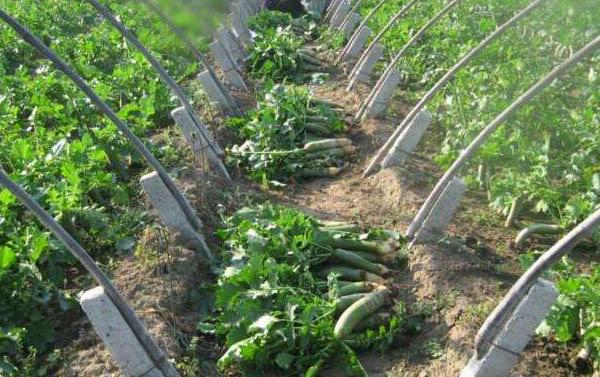
Recently, when we browse supermarkets, we may notice that some things that look like vegetables are placed in the fruit section. Since fruit cucumbers won consumers' favor, more and more vegetable-type fruits have entered the market, and the fruit radish is one of them. These fruit vegetables are all improved varieties; they are smaller than ordinary vegetables and also have a certain sweetness, tasting no worse than ordinary fruit.
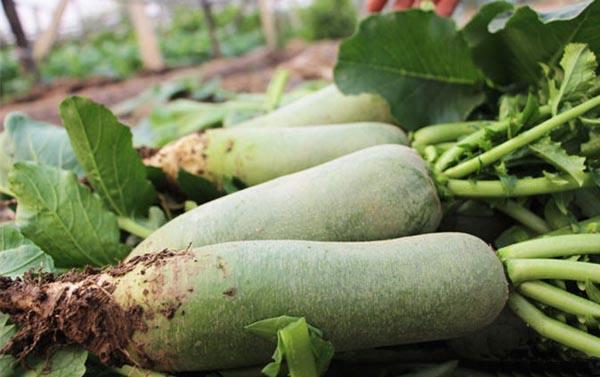
In Muchang Village, Hexiwu Town, Tianjin, China, Liu Dong, a large-scale fruit radish grower, made nearly 100,000 yuan in direct profit from growing fruit radishes. According to reports, the local fruit radish is a new variety bred by experts from the Tianjin Academy of Agricultural Sciences "tailor-made" for the local soil. This variety of radish is green in color and crisp and sweet in taste, making it a delicious and nutritious fresh-eating delicacy. In 2015 the village trial-planted 20 mu, and even just the Tianjin market could not get enough supply.
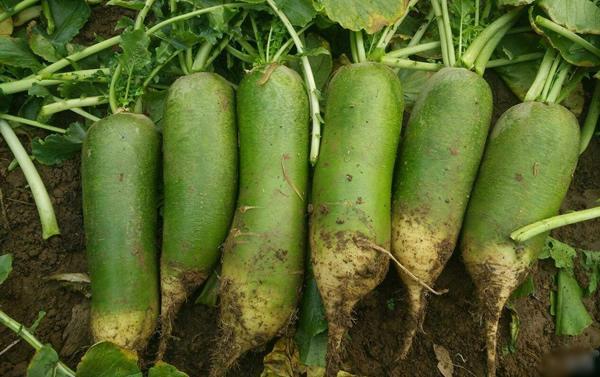
Liu Dong said he began growing fruit radishes in 2014, planting a total of 5 mu. Fruit radishes have very good growth adaptability, high yield, and relatively simple management, and are not prone to pests and diseases. No pesticides or chemical fertilizers are used during production, making them truly pollution-free food. Because of their unique taste, fruit radishes are very popular on the market.
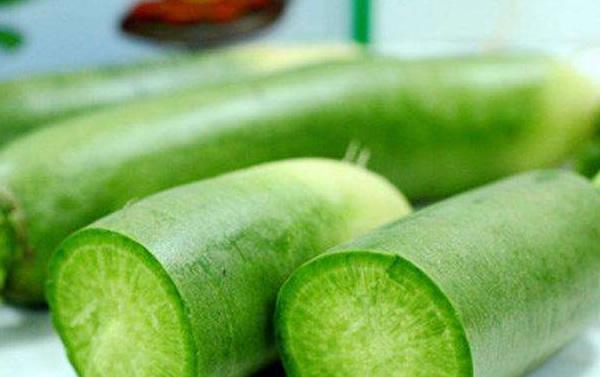
The fruit radishes produced can also be sold through e-commerce by setting up online stores, allowing direct online transactions. In this way, they not only sell for a good price, but also change the previous situation of low prices and poor sales.