The most detailed full process of dental implants: this is how dental implants are actually "grown"
Dental implants are recognized by the dental medical community as the preferred restoration method after tooth loss. However, affected by multiple factors such as region, awareness, and philosophy, some people do not understand dental implants and even reject them. There are also some people who believe that children can also get dental implants.
So, how does a dental implant "take root" in a person's mouth and ultimately serve them? Below is a detailed explanation of the entire process of implanting one tooth.
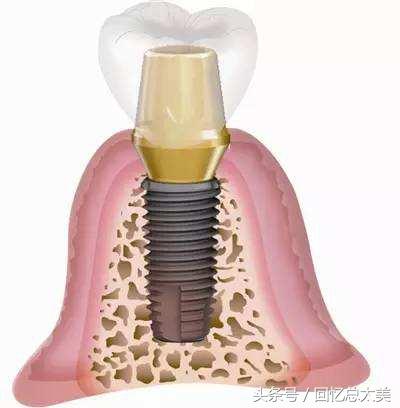
Dental implant
Step one: Before implantation
General health examination:
Before dental implant surgery, the doctor needs to understand the patient's health condition. Usually, blood tests, routine blood tests, blood sugar tests, and blood pressure measurement are needed. If there is no severe abnormality in liver and kidney function and no acute inflammation, then as long as high blood pressure, diabetes, or heart disease are controlled within the normal indicator range, dental implants can absolutely be done.

Blood test
Oral condition examination:
The doctor will also examine the patient's local oral conditions. First, they need to see whether the patient has sufficient alveolar bone;
Second, check the health of the gums. After many people lose teeth, their gums become soft and no longer dense, which is not conducive to implant placement;
Third, oral treatment and orthodontics. If the patient has severely tilted or displaced teeth, the tilted teeth should also be straightened;
Fourth, if there are severe periodontal diseases, such as bleeding, loosening, abscess, apical periodontitis, etc., treatment is needed first.
Note:For patients with poor compliance, who love smoking, or who drink heavily, doctors often do not easily perform surgery.
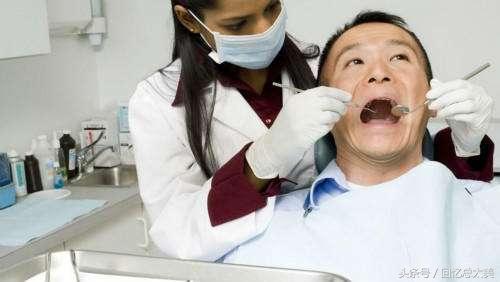
Oral examination
Determine the implant plan:
Before the implant surgery begins, an oral CT is taken first. Through CAD\CAM planning, the speed, depth, and angle of the dental implant are precisely designed, with a personalized plan design, and then the doctor can perform the dental implant surgery.
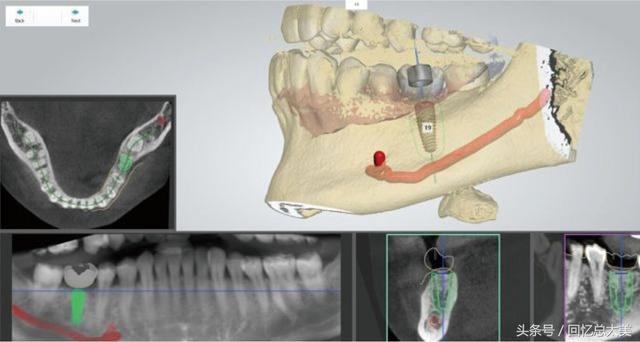
3D determination of the implant plan
Step two: During implantation
Place the implant:
Usually, dental implant surgery only requires local anesthesia, and the patient remains awake during the procedure. A relatively conventional surgical method is to cut open the gums, then use a dental drill to make a suitable hole in the alveolar bone, and then place the matching implant.
Now, however, with precise implantation through a 3D visual guide plate, there is no need for flap reflection (no cutting) for implant placement. The whole process is visible, can effectively avoid damage to blood vessels and nerves, causes little trauma, requires no stitch removal, and is completed in one step.
Design and make the crown:
After the implant is placed, the doctor will design the crown according to the gap left by the patient's missing tooth, the color of the remaining teeth, etc., and give it to a dental technician to make the crown. The crown can only be worn after 3-6 months. Because the tooth loss process is relatively long, it is difficult to meet the patient's needs. The emergence of precise "immediate use" technology makes it possible for dental implants to bear load immediately after surgery, and the crown can be worn the same day, making eating easy.
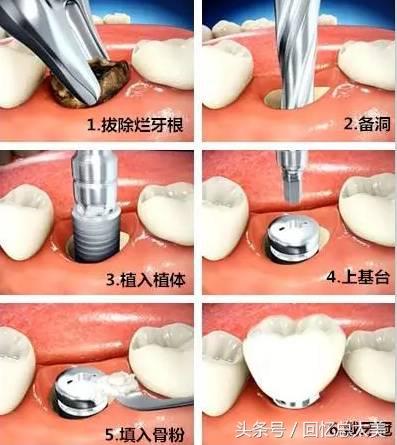
Immediate extraction and immediate implantation
Step three: After implantation
Maintenance of oral condition:
Can dental implants solve everything once and for all? If you want to extend the lifespan of dental implants, then maintaining oral health is very important. Peri-implantitis is the main cause of implant failure. Therefore, after dental implants, you should maintain good hygiene habits, brush your teeth in the morning and evening, and rinse your mouth after meals. If food becomes trapped around the dental implant, it is best to clean it with dental floss or an oral irrigator. It is recommended to go to the clinic every six months to a year for examination and teeth cleaning.
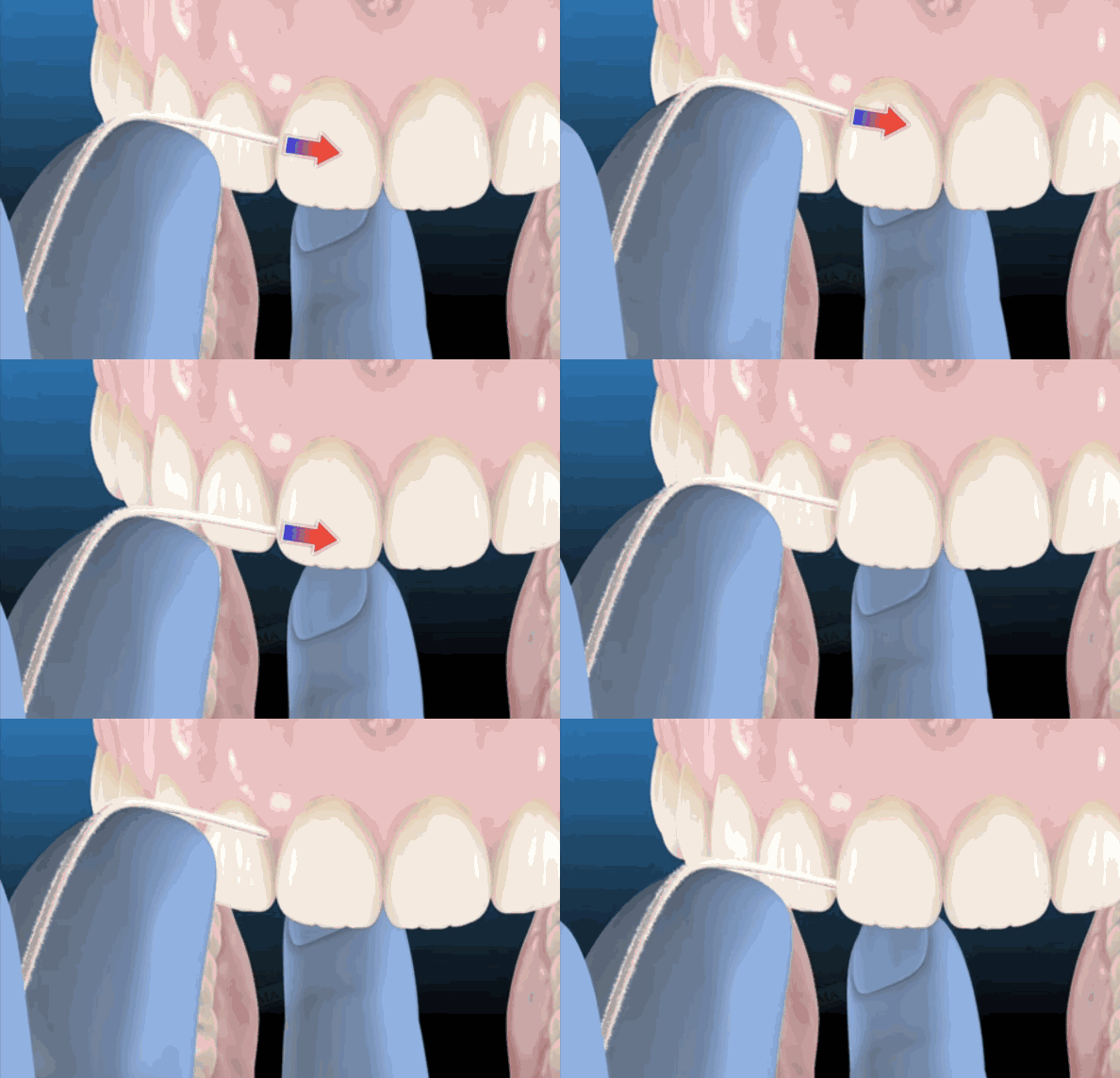
Cleaning with dental floss