High-yield cultivation and management techniques for taro: it turns out farmers have so many particularities when planting

Click to follow us, we update agricultural planting techniques every day to help you achieve high yields and get rich
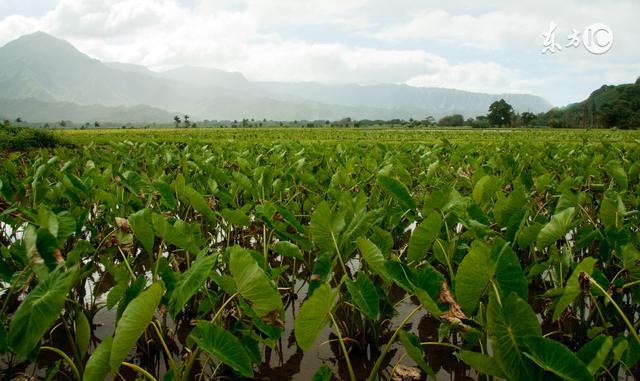
1. Sowing
Sowing is generally carried out after the last frost in the local area, usually in mid-to-late April. Sowing too early easily causes seed rot.
1. Seed selection
Seed taro should be selected from corms that have no wounds on the corm, have intact tips of the terminal buds, weigh about 50 grams, and are preferably round and spherical.
2. Sunning seeds and sprouting
To ensure uniform emergence, 15-20 days before sowing, the seeds need to be sunned for sprouting, sprouted in wet sand, etc. During sprouting, the stored taro can first be sunned for 1-2 days, then the seed taro should be placed closelyarranged in the sprouting bed. During sprouting, attention should be paid to maintaining moisture, keeping the temperature controlled at 18-20°C. After 15-20 days, when the sprouts are about 1 cm long, they can be sown.
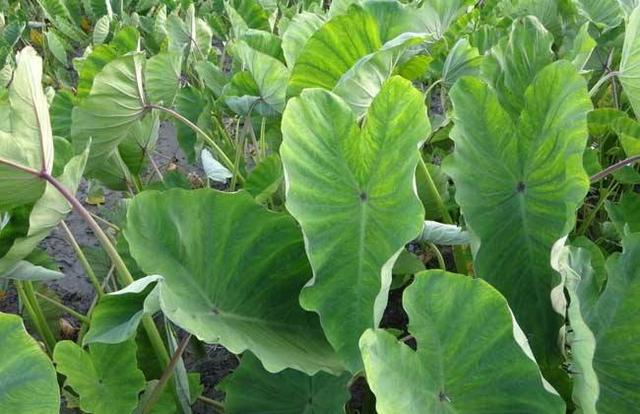
3. Sowing
The edible organ of taro is the underground corm, and taro has a deep root distribution, so soil that is fertile and loose and has strong fertilizer and water retention capacity should be chosen. Before sowing, deep plowing of more than 40 cm is needed.Deep plowing is beneficial to corm expansion and increasing yield, and is one of the important cultivation measures. Before deep plowing, apply 2500 kg of organic fertilizer per mu, and appropriately apply potassium sulfate,superphosphate and other phosphorus and potassium fertilizers. Taro can be sown at a plant spacing of 25-30 cm and a row spacing of 60 cm, with a sowing depth of 3-5 cm. Immediately after sowing, cover with plastic film to retain moistureand increase temperature to facilitate full emergence.
2. Field management
1. Topdressing
Taro has a long growth period, high yield, and large fertilizer demand. In addition to applying sufficient base fertilizer, it should also be topdressed in stages. A seedling-promoting fertilizer can be applied once in the early seedling stage, and 2-3 topdressings can be applied at the early and middle stages of the vigorous growth period of the plant and corm.The amount of fertilizer applied should be less first and more later, gradually increasing, and nitrogen, phosphorus, and potassium fertilizers should be applied in combination. In the later stage, topdressing should be controlled to avoid excessive vegetative growth and delayed maturity.。
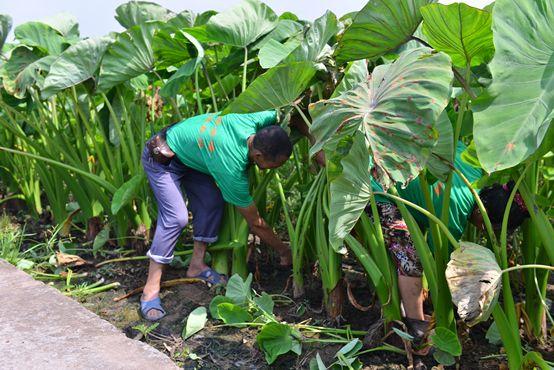
2. Watering
Taro leaves are large and transpiration is strong, so it likes water and avoids dry soil; otherwise yellow leaves and withered leaves easily occur. In the early stage, because the temperature is low and the growth amount is small,it is only necessary to maintain soil moisture. In particular, watering is strictly avoided during the emergence stage to avoid affecting root development and emergence. In the middle and late stages, the temperature is high and the growth amount is large, so the water demand is high.The soil should be kept moist, but watering time should preferably be in the morning and evening. Especially in high-temperature seasons, avoid watering at noon, otherwise the leaves are prone to withering. Watering should be controlled 20 days before harvest.
3. Intertillage and hilling
During growth, the taro corm will gradually grow toward the soil surface as the number of leaves increases, thereby affecting the yield and quality of taro. In addition, hilling can also inhibit the germination of the terminal buds of daughter taroand grandchild taro, and is an important technical measure to reduce nutrient consumption and promote corm expansion. Therefore, before ridge closure, the film should be removed and combined with intertillage, weeding, and hilling 2-3 times, with 5-7 cm of soil covered each time, at intervals of 15-20 days.
4. Disease control
The main diseases are taro soft rot and taro blight. In the early stage of the disease, spray 50% carbendazim 600-fold solution, or 75% chlorothalonil wettable powder 700-fold solution for control.。
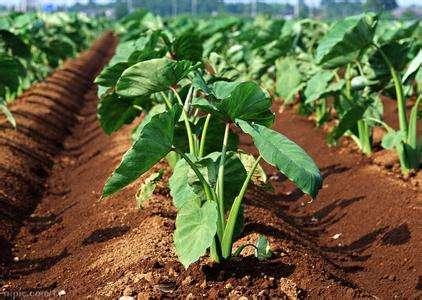
3. Harvesting and seed retention
Taro should be harvested around Frost's Descent when the leaves turn yellow, the roots wither, and the corms are fully mature, but this has a relatively large impact on yield. For seed taro, it must be harvested only after it is fully mature. Before harvesting, firstcut off the aboveground part, wait for the wounds to dry and heal, then harvest on a sunny day, air-dry for one day, and then store. The storage temperature should preferably be 10-15°C, and it must not be frozen. Seed taro should be selectedfrom corms that are disease-free, free of mechanical wounds, and weigh about 50 grams.
Welcome to subscribe to and follow this Toutiao account. We share the latest agricultural planting techniques and agriculture-related information every day. You are welcome to share, forward, and like. If you have good suggestions or planting techniques you would like to know about, you are welcome to leave a message. We will select some of the issues everyone is most concerned about and invite agricultural technical experts to provide professional guidance and sharing.