The rise of the Chinese medicinal herb industry: these categories have excellent planting prospects, but do not blindly follow the trend
With the development of society, human health concepts have undergone significant changes, shifting from a purely disease-treatment model to a combination of prevention, health care and treatment. The use of Chinese medicinal herbs in health preservation and care will also become increasingly effective, and Chinese medicinal herbs are increasingly favored by people for their relatively small toxic and side effects, which has become an excellent opportunity for the development of China's Chinese herbal medicine planting industry.
However, when you do not understand their planting prospects, do not blindly follow the trend, so as to avoid losses. According to the actual situation and market demand of international and domestic markets, some advantageous varieties can be appropriately planted, and the prospects for these varieties are still quite optimistic.
Variety one: Medicinal and edible Chinese herbal medicines will be increasingly favored
With the development of society, people's thinking about treating diseases has also changed: prevention is greater than treatment, that is, the original treatment-oriented model has gradually changed into a combination of prevention and treatment. As a result, some Chinese herbal medicines with prevention and health care functions have gradually become favored. It is precisely because of this shift that natural Chinese herbal medicines that are both medicinal and edible can be appropriately planted, and their prospects are good.
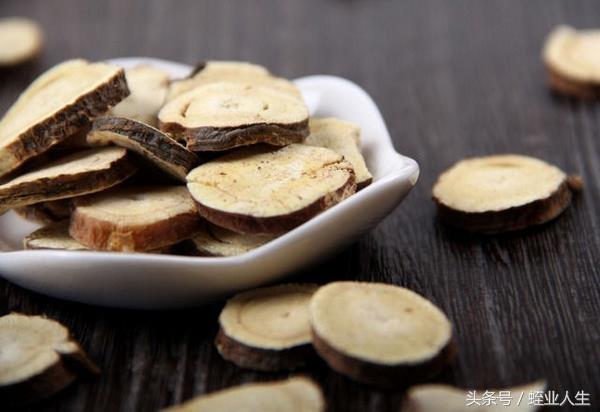
Natural Chinese herbal medicines that are both medicinal and edible include: goji berry, sea buckthorn, coix seed, euryale seed, poria, cassia seed, fleeceflower root, platycodon root, kudzu root, lily, perilla, licorice, bitter orange flower, monk fruit, angelica dahurica, and so on.
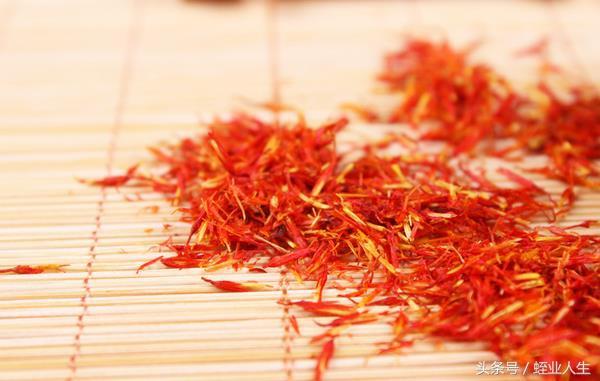
There are also some Chinese herbal medicines listed on the recommended development "menu" of precious and scarce Chinese herbal medicines: saffron, gastrodia elata, astragalus, achyranthes root, dendrobium, bupleurum, ban zhi lian, isatis root and other varieties can also be appropriately planted.
Variety two: Natural spices have a large market
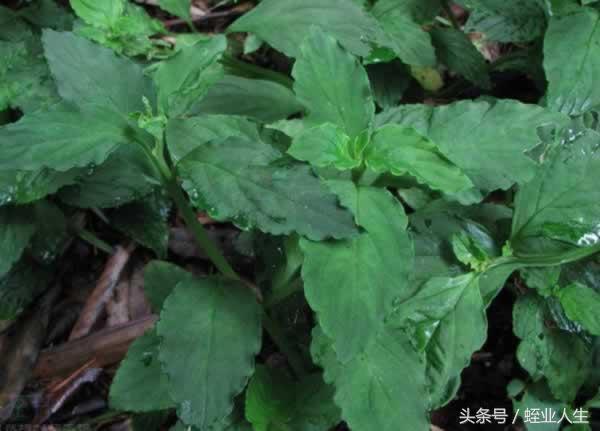
Countries around the world are developing new spice products to gradually replace chemically synthesized spice products. Therefore, natural spices will occupy a large share of the Chinese herbal medicine market. At present, lysimachia foenum-graecum, schizonepeta, motherwort, Chinese honey locust, fleeceflower root and others can be planted.
Variety three: Anti-cancer Chinese herbal medicines have promising prospects
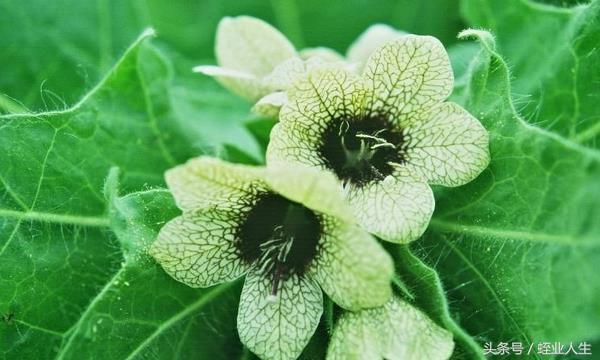
The research and development of drugs for preventing and treating various cancers, AIDS, cardiovascular and cerebrovascular diseases and diabetes has already become a top priority in the field of world pharmaceutical science and technology and among pharmaceutical manufacturers. Among Chinese herbal medicine resources, many varieties are cutting-edge drugs for preventing and treating cancer, such as henbane, Chinese yew, trichosanthes fruit, trichosanthes root, subprostrate sophora root, sea buckthorn, galangal, ginkgo leaf and others, all of which are important raw materials for making anti-cancer drugs. Therefore, the prospects for such natural medicinal materials used to develop anti-cancer and other drugs are promising.
Variety four: Biological pesticides increase demand
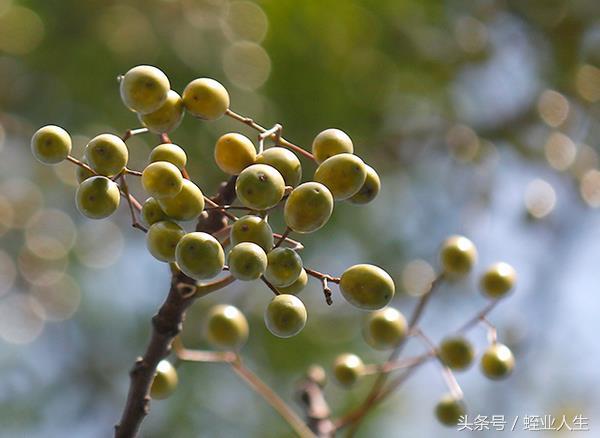
People are increasingly aware of the harm chemical pesticide preparations do to the human body, so biological pesticides are understood and recognized by more and more people. Therefore, the demand for medicinal materials with detoxifying effects, such as chinaberry seed, langdu, poisonous fishberry and derris, will also increase accordingly.