How to Grow Lucky Bamboo? A Detailed Guide to Campus Vegetable Garden Planting Methods
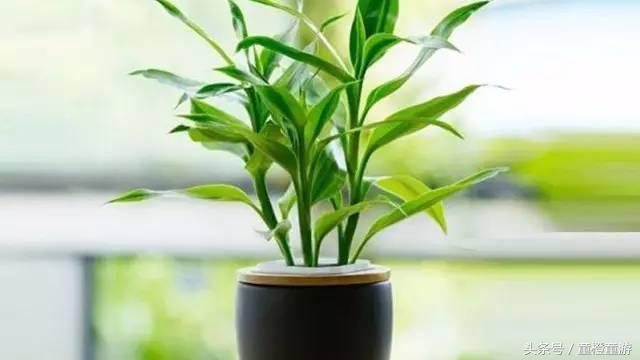
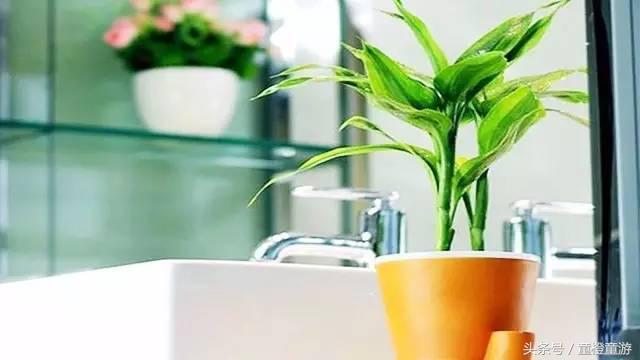
Lucky bamboo (Dracaena sanderiana cv. Virescens), also known as Sander's dracaena and ribbon bamboo, is native to Congo and Cameroon. It is an evergreen shrub with slender, upright stems that branch at the base, reaching a height of over 2 m and a width of 40 cm. Lucky bamboo is an elegant and gorgeous plant with a graceful posture and the charm of bamboo. It is short in stature yet brilliantly colored, making it extremely suitable for placing on a desk or balcony as an ornamental plant. Thanks to its name that symbolizes wealth and good fortune and its verdant bamboo-like elegance, lucky bamboo is welcomed by many households.
Planting
Lucky bamboo is generally propagated by cuttings. The best time for cuttings is during the rainy season from June to July. Select mature branches, cut them into 10 cm lengths, and insert them into coarse sand.
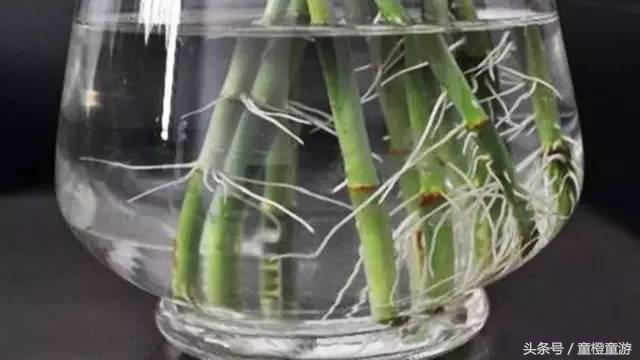
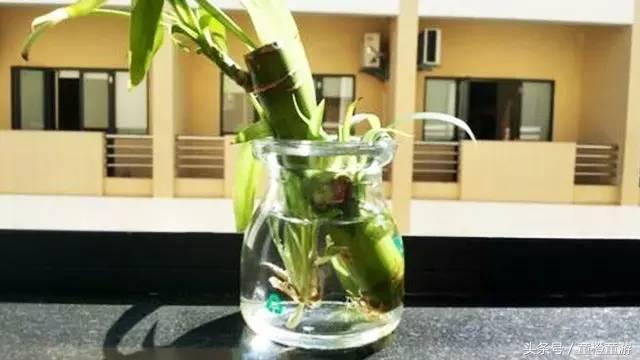
Lucky bamboo can also be grown hydroponically. Choose robust, upright stems with leaves, and when cutting, cut at a point near the base of the stem node into a smooth diagonal cut to facilitate the absorption of water and nutrients. Then remove the leaves at the base. During the early stage of hydroponic culture, change the clean water once a day, and fibrous roots will grow in about 2 weeks. After rooting, change the water once a week.
Watering
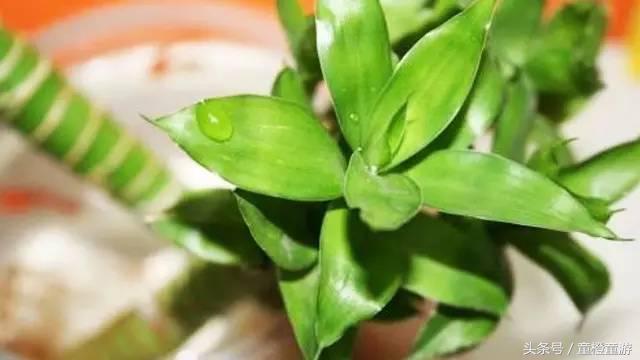
In summer, when growth is vigorous, provide appropriate shade and water frequently; do not let the potting soil dry out. During the growing season, frequently spray the plant with clean water.
Temperature
The optimal growing temperature is between 20 and 30°C. The overwintering temperature should preferably be kept above 10°C, as it is not tolerant of low-temperature frost damage.
Light
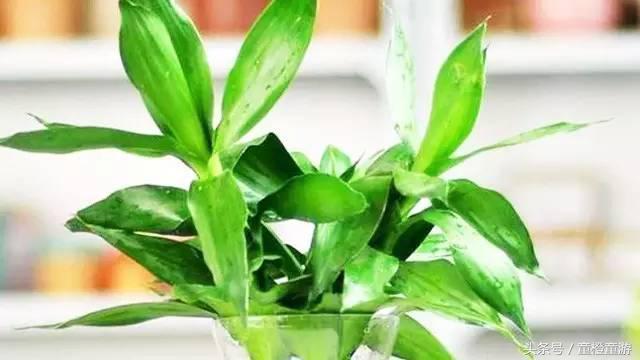
Lucky bamboo likes light but dislikes direct sunlight in summer. For home care, it can be placed under a south-facing window or on a balcony, avoiding direct sunlight only in summer. In other seasons, it is best to provide some light; otherwise, the golden-yellow stripes in the middle of the leaves will fade and disappear, greatly reducing its ornamental value.
Fertilizer
Golden-edged lucky bamboo is not demanding regarding fertilizer. During the growing season, either chemical fertilizer or liquid organic fertilizer can be applied as a top dressing, but when applying chemical fertilizer, use small amounts multiple times and water promptly after fertilizing. In addition, when repotting and changing the soil each year, add a certain amount of decomposed organic fertilizer as a base fertilizer to ensure good growth.
Pest and Disease Control
Golden-edged lucky bamboo commonly suffers from leaf spot, stem rot, and root rot. It can be sprayed multiple times with 100-fold Bordeaux mixture. Pests include thrips and scale insects, which can be controlled by spraying with 50% omethoate emulsifiable concentrate at 1000-fold dilution.
Main Value
Potted ornamental: Due to its beautiful appearance, it is mainly valued as a potted ornamental plant.
Air purification: Lucky bamboo can purify indoor air.