Apricot Tree Growing Conditions and Cultivation Techniques Explained
Requirements for Environmental Conditions Although the apricot tree is cold-resistant, drought-resistant, tolerant of poor soil, and easy to manage, its adaptability to the external environment still has certain limitations. By correctly understanding the apricot tree's requirements for external environmental conditions, you can select terrain and topography to grow apricot trees according to specific conditions, maximizing strengths and avoiding weaknesses to obtain a relatively high yield.
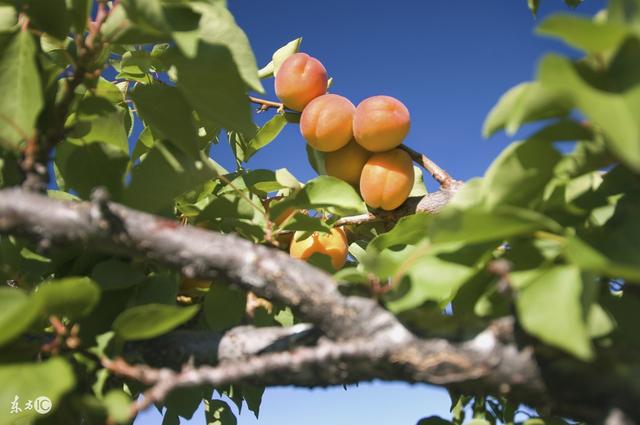
1. Temperature
The apricot tree is the most cold-resistant fruit tree among deciduous fruit trees. Apricot trees can grow normally in areas with an average annual temperature of around 6°C. In some main almond-producing areas of the Zhangjiakou region, the average annual temperature is only 4.6°C, and apricot trees can still tolerate high temperatures. The apricot tree's broad adaptability to temperature is unmatched by other deciduous fruit trees. Throughout the entire annual growth cycle, the plant requires 2000-2500°C of effective accumulated temperature. Flowering, fertilization, and fruit set can be completed when the temperature is above 10°C, but during the growing period, both the floral organs and young fruit are not tolerant of low temperatures. At a short-term -2 to -3°C, the stigma of the pistil and the young fruit will be damaged by frost, so low temperature during the flowering period is a limiting factor in apricot tree cultivation.
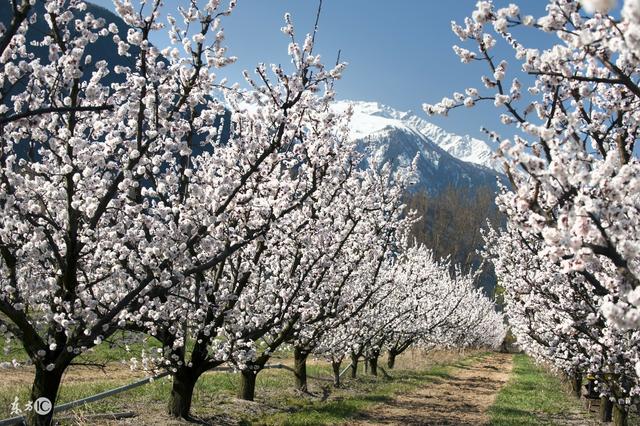
2. Light
The apricot tree is a light-loving tree species. In the north, an annual sunshine duration of 2500-3000 hours or more is suitable for apricot tree growth. Under poor light conditions, the plant develops poorly, branches and leaves grow excessively, deformed flowers increase, inner canopy branches die off, pests and diseases are severe, and fruit coloring is poor, seriously affecting the growth and development of apricot trees.
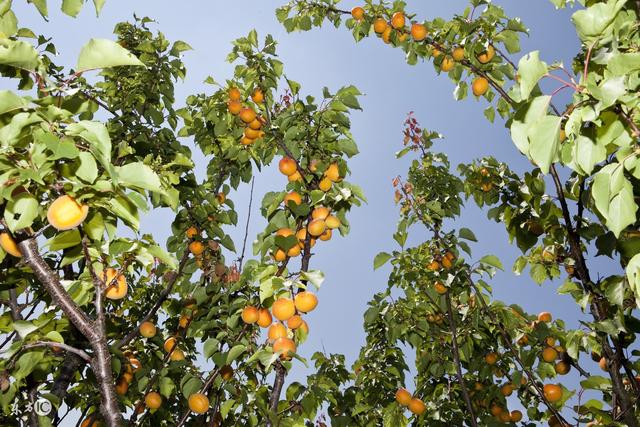
3. Water
The apricot tree has a well-developed root system and a strong main root, can absorb water from deep soil layers, and is more drought-resistant than other fruit trees. For newly planted apricot trees, insufficient soil moisture will affect the survival rate of planting. During the vigorous branch growth period and the fruit enlargement period, if soil moisture is insufficient, it will also weaken the apricot tree's growth vigor, affecting flower bud differentiation and the yield of that year.
During the growth period, if the soil moisture in the apricot orchard is too high, or the air humidity is too great, branches will grow excessively, pests and diseases will spread, fruit coloring will be poor, and quality will decline. In low-lying, wet areas, if surface water accumulates for too long, in mild cases the leaves turn yellow and fall early, and in severe cases the roots rot and the entire plant dies.
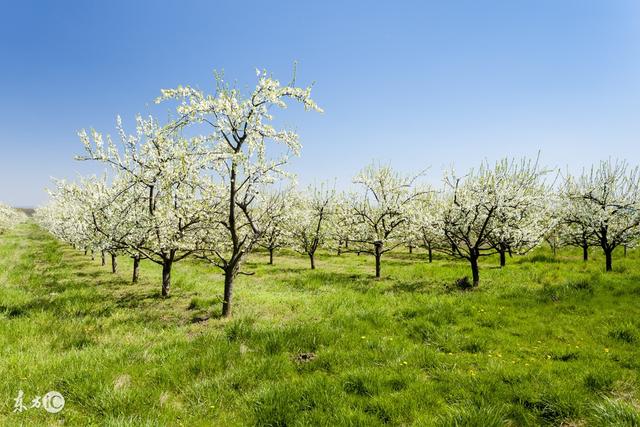
4. Soil
The apricot tree is relatively tolerant of poor soil and is not strict about soil type and fertility standards. It can grow normally on light clay, sandy loam, gravelly soil, and mildly alkaline soil, as well as on slopes above 35° and on high mountains below 2500 m in elevation, but the most ideal site conditions for apricot trees are sunny slopes or semi-sunny slopes with deep soil layers, fertile soil, and good drainage.
Apricot TreeCultivation Techniques Complete Guide to Apricot Tree Pruning
Apricot Tree Cultivation Techniques Solutions for Flower and Fruit Drop
Fruit Leader Various Fruit Trees and Water
Fruit Leader Various Fruit Trees and Light
Fruit Leader Various Fruit Trees and Temperature
Fruit Leader Various Fruit Trees and Soil