Okra cultivation is very easy, and even beginners can pick it up without trouble.
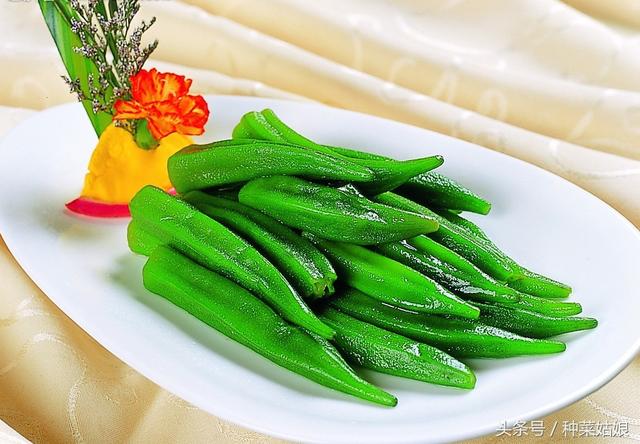
It is hard to say when okra became popular, but it has become a premium health vegetable sought after by people around the world, mainly because okra is rich in vitamin C, soluble fiber, zinc, selenium and other trace elements. Okra has a smooth texture and a unique aroma; people who like it love it dearly, while those who do not probably cannot stand even a bite. Just as people who love food want to make a good dish themselves after eating it, people who love growing vegetables also like to grow a relatively unusual vegetable when they come across one.
Okra is highly adaptable and can be grown along the edges and borders of fields. Okra likes warmth and a sunny environment. In the Yangtze River basin it can overwinter in the open field, and some cold-tolerant varieties can also overwinter in the open field in North China. The suitable growing temperature is 26-28°C, with a soil temperature above 15°C. Since protected cultivation became available, vegetables are no longer strongly seasonal; as long as the temperature and light are suitable, they can be grown in protected facilities.
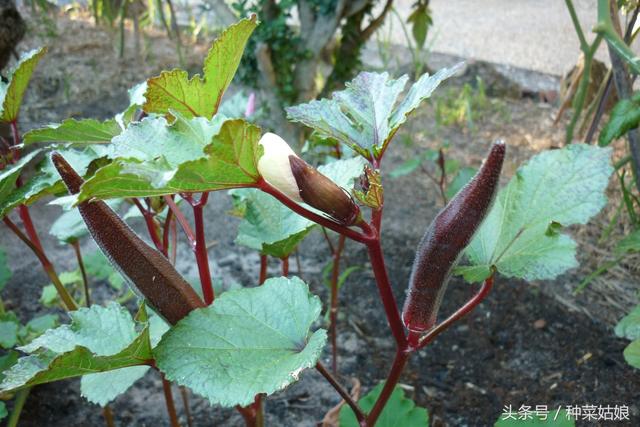
For the cultivation method of okra, sowing is generally done in May-June and harvesting in July-October. If you are not growing much, you can directly sow dry seeds in the spot; the suitable temperature for seed germination is 18-21°C, and they sprout in about a week. If you are growing a lot of okra, it is best to raise seedlings first and then transplant; plant about 1500 plants per mu.
In the early growth stage of okra, cultivate strong seedlings and apply more nitrogen fertilizer, and remove side branches promptly. In the middle and late growth stages, after okra flowers and sets pods, apply more phosphorus and potassium fertilizer to promote reproductive growth, remove old leaves promptly, and increase light penetration.
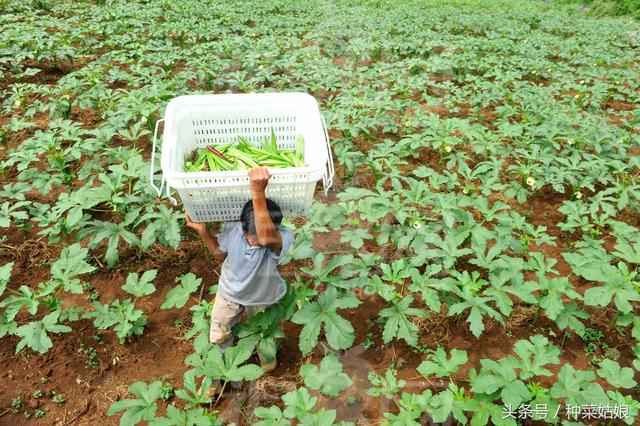
Growing okra is really not difficult. Our park once grew a few plants, and after its seeds matured and fell to the ground, okra grew again the next year without any care. Even with little management, it still set pods. Okra has relatively few pests and diseases. So whether on a balcony, in a yard, or in a field, as long as there is a sunny spot, you can grow a few okra plants, and you too can see how this popular vegetable actually grows.