How to plant bowl lotus? Understand the planting method at a glance with illustrated steps
Bowl lotus is a plant very suitable for growing in summer. Unlike ordinary plants, its growing environment contains water, giving people a natural sense of coolness in summer, and lotus seeds have no dormant period. As long as the water temperature can be kept above 16°C, they can basically be sown in all four seasons. Lotus seeds are rather special, and their sowing method differs from that of ordinary plants, so before planting them yourself, it is best to do enough homework and handle the seeds properly. So today let's take a look at how to plant bowl lotus.
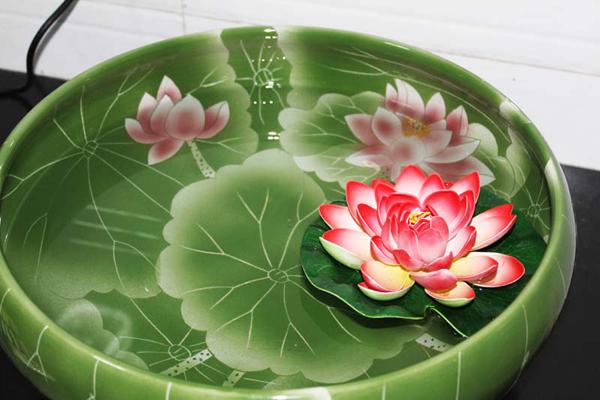
Illustrated guide to bowl lotus planting methods - seed treatment
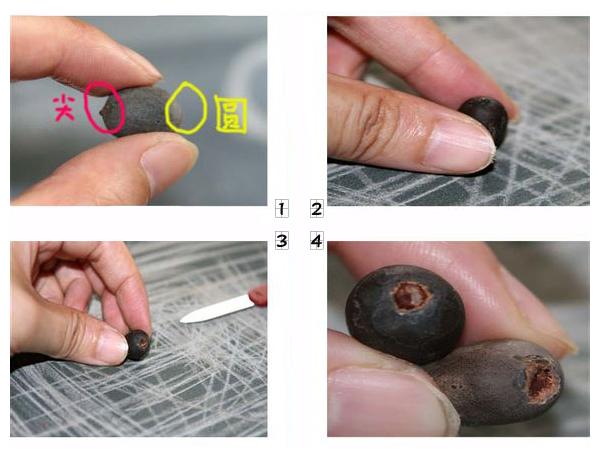
1. In the bowl lotus planting method, the most important thing is seed treatment. Unlike ordinary plants, it cannot be put into soil or water right from the start; some special treatment is needed in the early stage. The lotus seed shell is hard and dense, so before soaking the seeds, the shell needs to be manually broken. First look at Figure 1: a lotus seed has two ends, one pointed and one round. The one we need to crack open is the round end, and the end that needs treatment has an obvious dent. Use a file or scissors to drill in from the dent, then twist a little to break the opening.
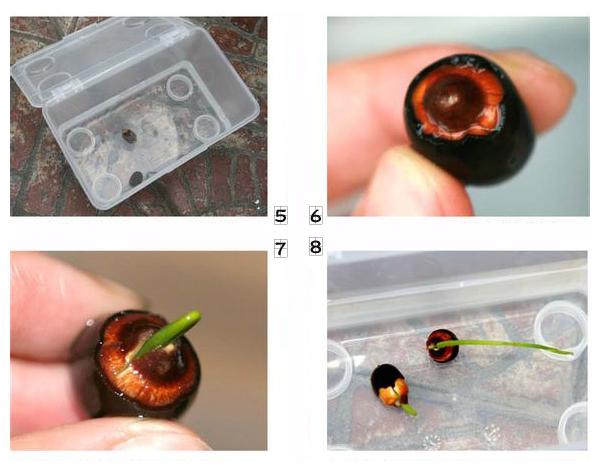
2. Next is soaking the seeds to promote germination. A summer water temperature of 20°C-30°C is very suitable for lotus seed germination. Change the water two to three times a day, with the amount depending on the seeds; just enough to submerge them. The container holding the seeds can be placed indoors or outdoors, but pay attention to maintaining the temperature. If the air conditioner is often on indoors, it is best to place them outdoors. As shown in Figure 6, after soaking for two days there are basically signs of sprouting. Generally, they can germinate within 1 week, and by the fifth day you can see a bit of green. After sprouting, place them in a sunny spot, strengthen the light, and do not let them lack water.
Bowl lotus planting methods - daily care
After germination, the lotus seeds can be put into soil. At this time, some daily care is needed. First is temperature; the usual summer temperature is enough, and it is best not to go below 20°C. When both temperature and light are suitable, from sowing to flowering, hibiscus generally needs only 50 to 60 days in spring, while in autumn, when the temperature is lower, it takes more than ten days longer.
In the pot that has been put into mud, add half a pot of pond mud, with all the seeds buried in the mud as the standard. When the leaves grow out, they can be placed directly into a mud pond, and the mud pond should maintain a water layer of at least 5-15 cm. Be careful not to submerge fully opened leaves in the water. For the growing environment, be sure to maintain sufficient light, because hibiscus likes sunlight, but during the seedling stage it must not be exposed to scorching sun, as the leaves easily scorch and wither. Winter is the dormant period for bowl lotus, and the water level can be deepened for overwintering.
How to plant bowl lotus best
1. Choose seeds that have not been damaged in any way. The container should be appropriately larger and deeper. If the bowl is too shallow and holds too little nutrient soil, the plant cannot get sufficient nutrients. If the bowl is not deep enough, the fibrous roots will not have enough space to spread, and growth will be affected.
2. Give sufficient sunlight. Do not keep it indoors for a long time just for viewing, as this easily delays the growth cycle of hibiscus, and in severe cases yellow leaves will appear. Do not use too much water; too much water will lower the temperature, and too low a temperature is not good for the rooting and development of young seedlings, and it also affects the roots' breathing and aeration.