Dental implants: how long can they actually last?
Dental implants: how long can they actually last?
This is a question almost every implant patient asks. Many older people have received and used dental implants, yet some still have plenty of doubts, such as: Are dental implants durable? How long is the lifespan of a dental implant? Can a dental implant last a lifetime?
Generally speaking, the service life of a dental implant is affected by many factors, and even an experienced professional dentist finds it hard to accurately estimate the lifespan of each individual tooth. So how long can a dental implant actually last? This has to start with the development of dental implants....
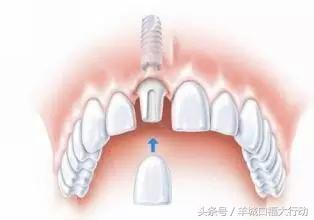
The development of dental implants
In 1965, in Sweden, the birthplace of dental implants, a doctor invented dental implant technology, and the Swede Gosta Larssor became the first patient in the world to try receiving a dental implant. His implant served him for a full 42 years, and until his death in 2007, the implant was still intact.

The world record for the longest service life of a dental implant is held by the Swede SvenJohansson, at more than 40 years of use. He was a taxi company owner and driver in Sweden. In his 40s, all his teeth were extracted due to illness, and he used full-mouth removable dentures. In 1967, he underwent dental implant surgery, becoming the second patient in the world to have pure titanium implants placed, at the age of 42. Today, at the advanced age of 89, the full-mouth fixed dentures supported by the implant roots in his mouth have remained well fixed. This represents the longest recorded use of dental implants and is being renewed every day.
Expert analysis: how to make a dental implant last a lifetime
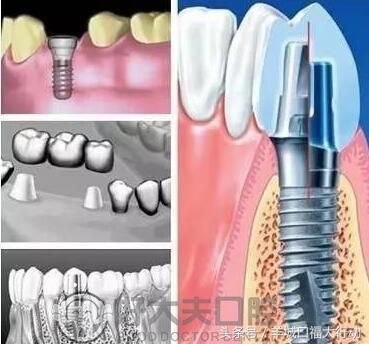
Oral experts say that how many years a dental implant can specifically be used varies from person to person, and the lifespan of a dental implant is affected by the following three aspects:
First, implant surgery also places extremely high demands on the doctor's skill and experience. It not only requires the doctor to have received specialized study and training, but also to have a certain amount of clinical experience, so as to ensure the long-term results of the dental implant.
Second, choosing the implant system is key. Different dental implant systems have certain differences in production processes, shape design, machining precision, sterilization facilities and so on. When patients choose different dental implant systems and materials, the results of the restored teeth are often different.
Third, post-operative maintenance and care are crucial. Dental implants, like natural teeth, need to be brushed with the correct method and kept in good oral hygiene to prevent the occurrence of inflammation around the implant, and so on, which can play a positive role in prolonging the service life of dental implants.