How to grow Dendrobium orchids? A step-by-step guide to the planting method
Dendrobium orchid, also known as the pendant orchid, is a perennial herbaceous flower of the orchid family. The stems grow in clumps, upright, with many nodes. Leaves are alternate and simple. The inflorescence is a raceme, with large, drooping flowers. The sepals and petals are both white, with pale red tips. It blooms during its leaf-drop period.
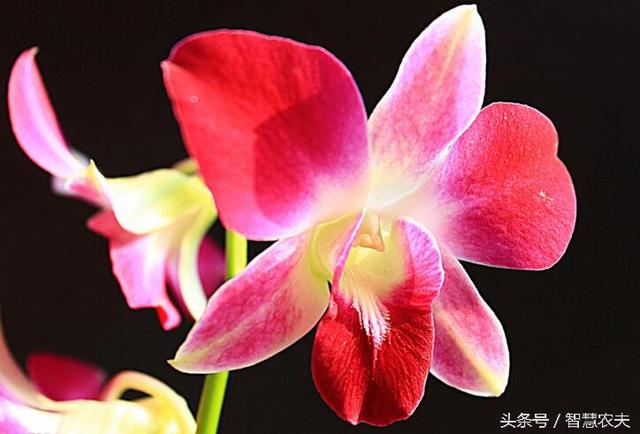
Dendrobium orchid originates from the tropical regions of Asia and the Pacific islands. In its natural state, it mostly grows attached to tree trunks or rocks in forests. It likes warmth and moisture, is not cold-tolerant, prefers semi-shade, and fears direct strong light.
What are the cultivation methods for Dendrobium orchids? What is the most scientific way to cultivate Dendrobium orchids? There are many varieties of Dendrobium orchids, with different forms and brilliant, colorful flowers. Some have flowers densely clustered together, while others have flowers sparsely arranged in an appealing pattern. Many varieties are fragrant, making them a flower with relatively high ornamental value. So what are the cultivation methods for Dendrobium orchids?
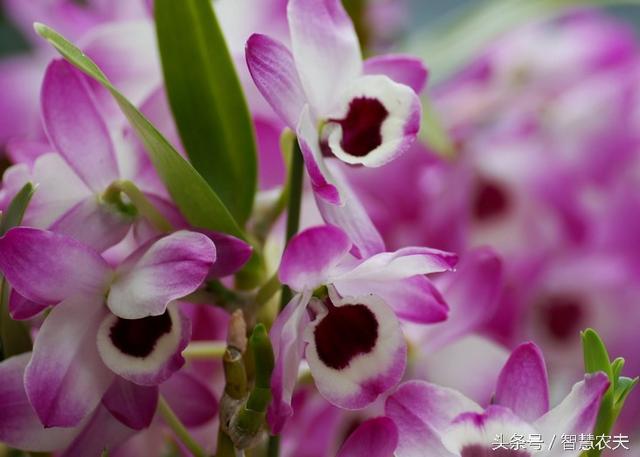
Container growing mostly uses soilless cultivation. The substrate is commonly made from coarse peat, pine bark, crushed brick residue, coarse yellow sand, perlite and charcoal chunks, etc., mixed into a growing medium for cultivation. The roots need especially good aeration, while also being able to retain some moisture appropriately.
1. Light: The native environment of Dendrobium officinale is generally under tree shade and in shady spots. The growing environment needs moderate shading.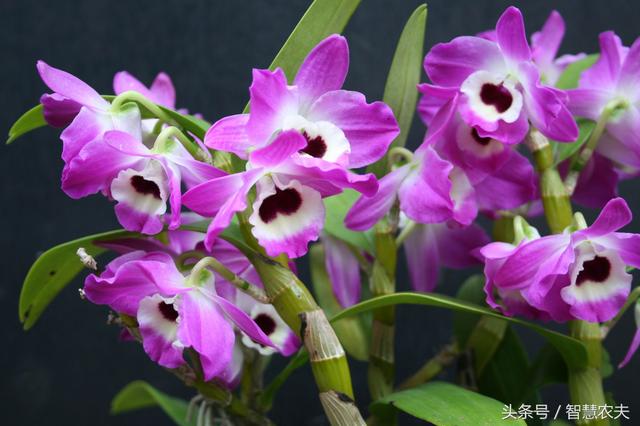
2. Temperature: Dendrobium officinale stops growing below 5°C and begins dormancy. When the temperature is too low, attention should be paid to frost damage, and it is best to keep it above 0°C. When the temperature is too high, around 35°C, it will also stop growing. The most suitable growing temperature is around 25°C-30°C.
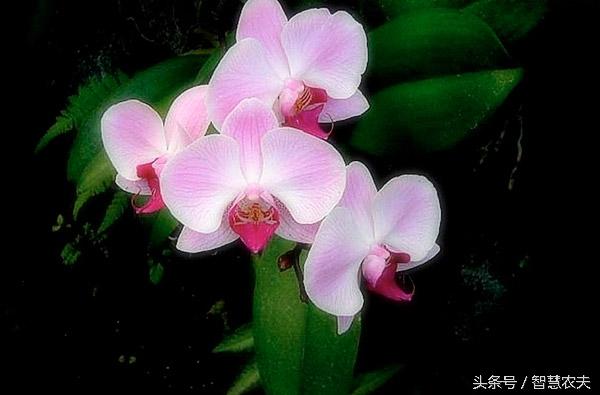
3. Substrate: For planting Dendrobium officinale, a substrate with good aeration and good drainage should be used as the growing material. A mixed material of orchid stone + granular peat + bark is generally recommended for planting. However, due to large-scale production, the cost is relatively high, so a single bark substrate can also be used.
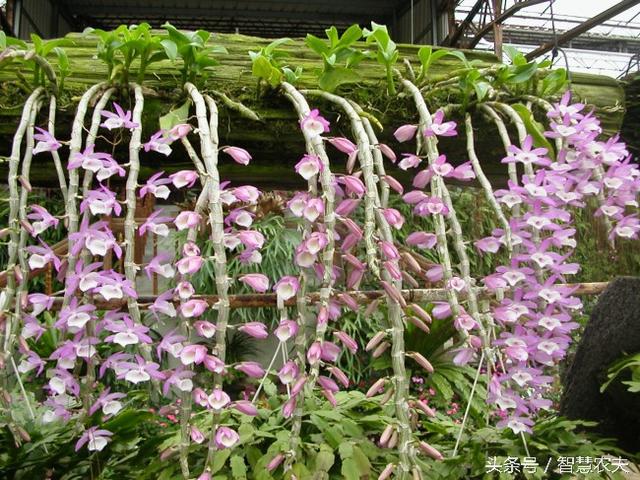
4. Humidity: Equip a hygrometer, and it is best to keep humidity above 60%. In rainy weather, when humidity is above 90%, ventilation should be strengthened to prevent bacteria from developing.
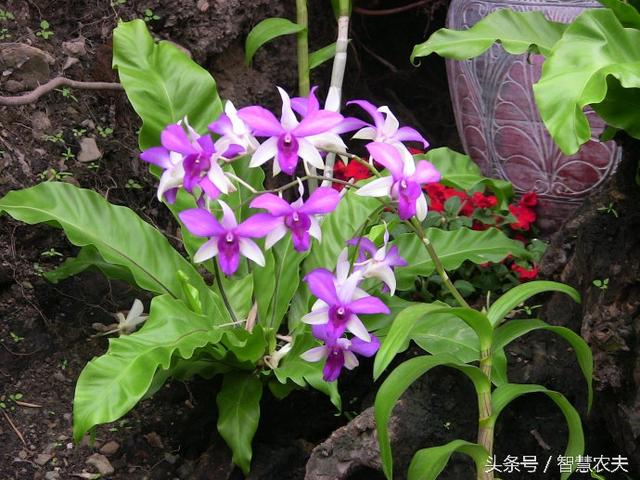
5. Watering method and water quality: Watering should involve frequent misting and less drenching. Generally, wait until the substrate is dry before drenching thoroughly.
6. Ventilation: "Orchids value ventilation": air circulation is very important for Dendrobium officinale and can also reduce the occurrence of diseases. Air circulation also affects the inside of the substrate.
-----------------------divider------------
For more, please subscribe to the "Smart Farmer" WeChat official account
Search and add on WeChat: zhihuinongfu518 (copy directly)
Professional planning and design for leisure agriculture, rural tourism, agricultural sightseeing gardens, and ecological farms;
Professional construction of smart greenhouses, soilless cultivation, ecological restaurants, greenhouse sightseeing gardens and other projects.