What farming wisdom is hidden in old planting proverbs?
Plowing must reach dead soil, harrowing must reach crumbly soil, sowing must reach moist soil.
Plow one cun deeper, and it equals a layer of manure.
Farming without manure is just muddling along blindly.
At eight-tenths ripe, harvest ten-tenths; at ten-tenths ripe, lose three-tenths.
If Summer Solstice falls at the start of the fifth month, don't plant sesame and you'll still eat sesame oil; if Summer Solstice falls in mid-fifth month, nine out of ten oil mills stand empty; if garlic isn't harvested by Summer Solstice, the cloves are sure to split apart.
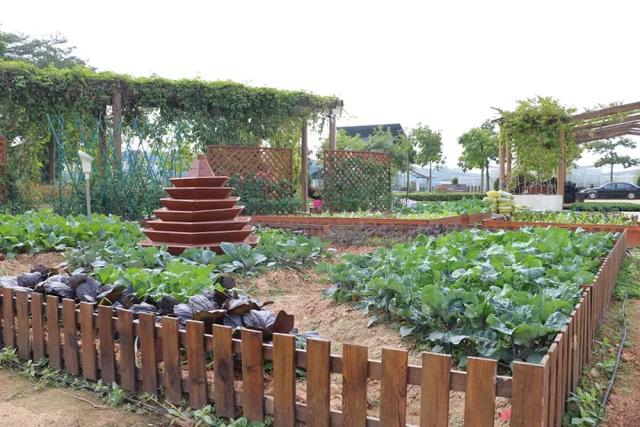
When the jujube buds sprout, plant cotton. Around Grain Rain, plant melons and beans.
Drought for cowpeas, flood for adzuki beans, neither drought nor flood for a harvest of mung beans.
Cotton that won't die from sun, pumpkins that won't die from rain; cabbage that won't drown, scallions that won't die from drought.
Peach trees take three years, apricots four, pears five. Jujube trees can bring in money the same year.
The hoe carries manure; the more you hoe, the more tender the crop. The hoe carries water; the fork carries fire.
Hoe wheat three times and there are no gullies; hoe beans three times and they're round and plump; hoe cotton when dry and melons when wet; hoe sesame when neither dry nor wet.
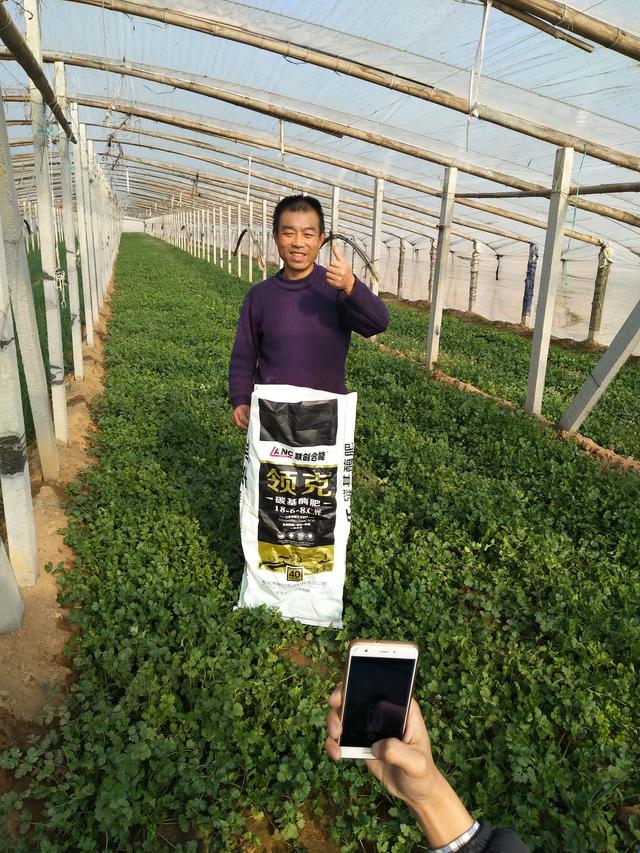
In spring, every day counts; in summer, every hour counts; the year's great tasks must not be delayed.
If you don't plow on Awakening of Insects, it's like letting steam escape from steaming buns; at Spring Equinox the wheat stirs its roots, and every moment is worth a thousand in gold.
A rain around Qingming is better than a scholar passing the imperial examination.
If you don't work in the fifth and sixth months, you'll drink the north wind in the tenth and twelfth months.
You can't buy a dry fifth month even with money; a wet sixth month means eating your fill.
Freezing the skin in winter is better than plowing once in spring.
First fu for radishes, second fu for mustard, third fu for planting Chinese cabbage.
Around the seventh month, jujubes turn red; mid-eighth month, plant garlic early.
Dense millet and sparse wheat will fool you to death.
Seventh month for jujubes, eighth month for pears, ninth month for persimmons with reddened skin.
Better to plant in the eighth month's soil than the ninth month's moisture.
At Autumn Equinox plant the high mountains, at Cold Dew plant the plains, in low-lying fields plant before Frost's Descent.
Autumn Equinox is too early, Frost's Descent too late; Cold Dew is just the right time to plant wheat.
Three parts planting, seven parts management; only then is a ten-tenths harvest guaranteed.
If wheat hasn't tillered by Light Snow, it won't emerge from the soil by Great Snow.
Wheat harvest needs a plow, autumn harvest needs a hoe.
Snow all over the sky in the twelfth month, and next year's wheat will pile up like mountains.
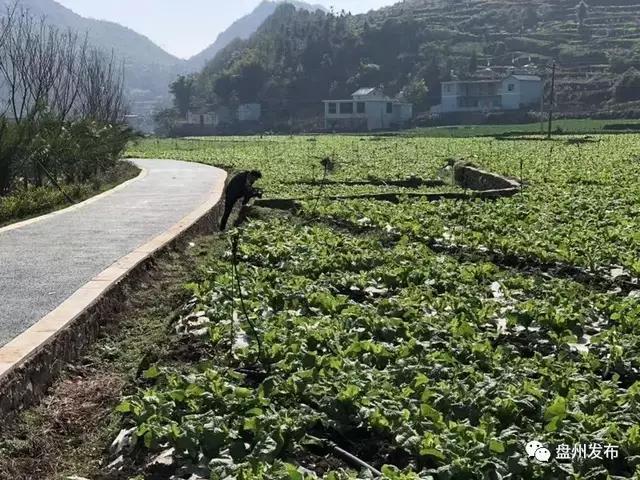
A handful of ash for each sweet potato, and the sweet potatoes will form great piles.
Rain at night and clear by day, and the grain harvest will be too much to store.
Land is the treasure of treasures; without it you cannot live.
Plow deep, harrow evenly, and gold and silver will grow from the soil.
If plowing isn't level, it's hard to preserve soil moisture. A layer of skin each year, and in ten years it's one plow deeper.
Too many seedlings crowd out the weeds, too many weeds crowd out the seedlings. Winter wheat needs to be pressed; the more it's pressed, the more it tillers.
When corn gets a gap, it grows a joint overnight.
Sweet potatoes have no mother; after rain, turn the vines often; for taro, pick the flowers often, and at digging time you'll haul them by cart; if you want good cotton, pinch the tips and remove the side shoots.

If you don't dig ditches when the sky is clear, rainwater will run everywhere when it rains.
With complete farm tools, work is done thoroughly. Three parts use, seven parts care.
If there are pests and diseases, treat them early; if there are none, prevent them early. Kill one insect in spring, and gain ten thousand grains in autumn.
Early rice fears the north wind, late rice fears the thunder god. Good seedlings are half the crop, strong seedlings are half the yield.
If you transplant rice after Lesser Fullness, you'll work yourself to death for not even a bowl of rice.
First hoeing shallow, second hoeing deep, third hoeing earth to bank the hemp roots.
When crops show withered-heart seedlings, pull them out by the roots and burn them;
One plant untreated harms a whole patch; untreated this year, it harms next year.