When to plant loofah? It can be planted in all four seasons
Loofah is an annual climbing herbaceous plant of the Cucurbitaceae family. Loofah is commonly cultivated throughout southern and northern China, and is also widely cultivated in temperate and tropical regions around the world. It grows wild in southern Yunnan, but the fruit is rather short and small.
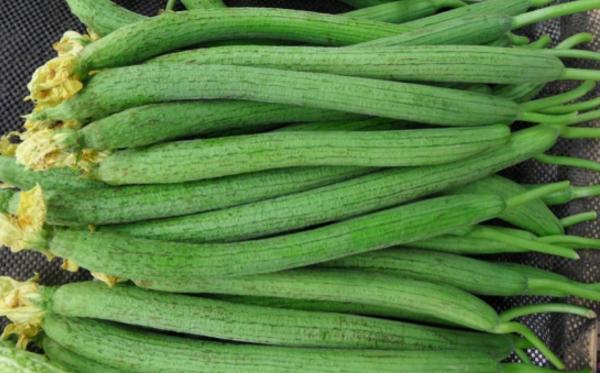
Loofah planting time
There are two planting periods for loofah:
1. Winter-spring cultivation: loofah is sown from November to January-February of the following year, and harvested from December to April of the following year.
2. Summer-autumn cultivation: sown from June to September, harvested from July to November.
Loofah knowledge extension
1. Light: Loofah is a short-day crop that likes relatively strong sunlight and is also fairly tolerant of weak light. During the seedling stage, treatment with short days and a large temperature difference is beneficial for female flower bud differentiation, and can lead to earlier fruiting and high yields. During the entire growth period, relatively short days and higher temperatures are beneficial for the growth and development of stems and leaves, can maintain robust vegetative growth, and are conducive to flowering and fruit setting, young fruit development, and increased yield.
2. Temperature: Loofah is a temperature-loving, heat-tolerant crop. The suitable temperature for loofah growth and development is 20-30°C, the suitable temperature for loofah seed germination is 28-30°C, and germination is rapid at 30-35°C.
3. Water: Loofah likes moisture and fears drought. It grows well when soil moisture is relatively high and the water content is above 70%, and grows slowly when it is below 50%. Air humidity should not be less than 60%. At 75%-85%, growth is fast and many fruits are set. When air humidity reaches saturation for a short time, it can still grow and develop normally.
4. Soil: Loofah is a vegetable crop with strong adaptability and is not strict about soil requirements. It can be cultivated in all types of soil. However, in order to obtain high yields, it is best to choose loam or sandy loam with deep soil layers, high organic matter content, good air permeability, and strong water- and fertilizer-retention capacity.