How to Grow Hyacinth Beans? A Detailed Guide to Planting Methods for School Vegetable Gardens
Hyacinth bean(scientific name: Lablab purpureus (Linn.) Sweet), commonly known as bian dou, also called huolian biandou, pengpi dou, tengdou, yanli dou, quedou, pibiandou, doujiao, and white hyacinth bean, is a perennial twining vine. Native to India, it is widely cultivated throughout China. The pod is oblong-falcate, 5-7 cm long. Hyacinth bean flowers come in red and white, and the pods range in color from green-white, light green, pink to purplish-red.
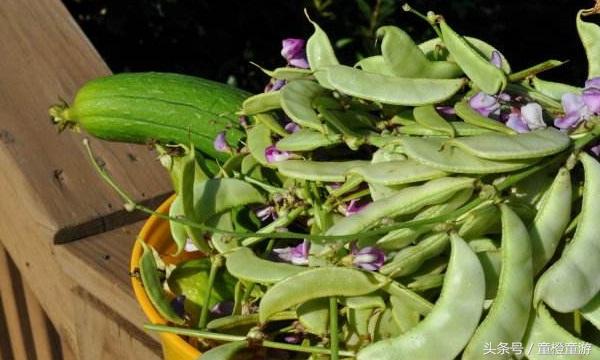
Planting Methods
1. Seed Preparation
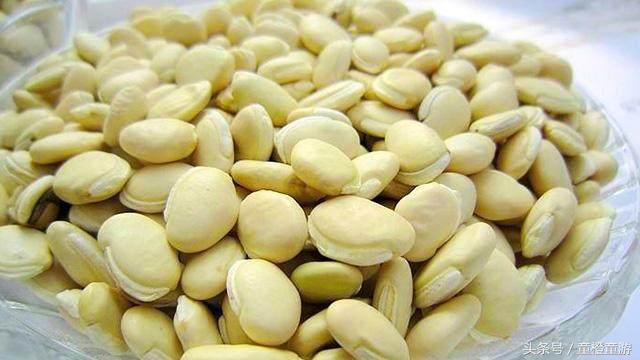
Select large, plump, glossy seeds free of disease and insect spots as seeds, and sun them for 1-2 days before sowing.
2. Sowing
Put potting soil into a flower pot, level the soil surface, and dig holes about 2 cm deep and about 5 cm in diameter. Place 3 seeds in each hole, making sure the seeds do not overlap. Cover the seeds with soil. Water and keep the soil moist before the seeds germinate.
3. Thinning
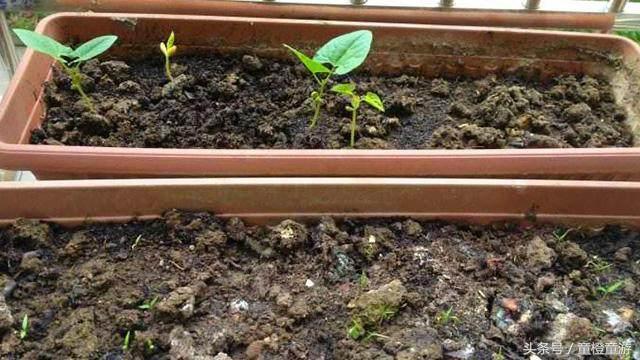
When the leaves reach 2-3, cut off the weakest of the 3 seedlings, leaving 2. Hill up the soil to prevent the seedlings from falling over.
4. Installing Support Poles
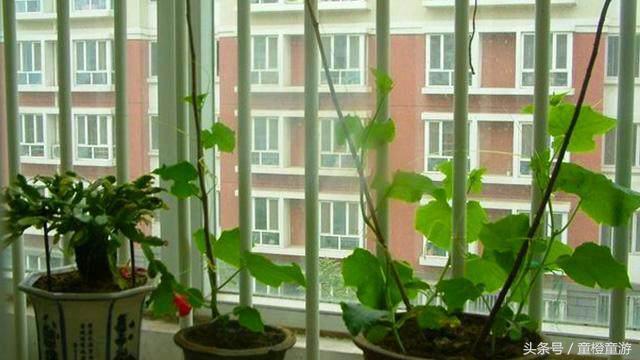
Use hemp rope to guide the stem toward the support pole, optionally winding it in a figure-eight pattern. (Hyacinth beans without vines do not need poles; if the environment is windy, simply insert a pole to keep the seedlings from falling over.)
5. Harvest
Harvest about 15 days after flowering. Harvest when the pods are not yet fully formed; hyacinth beans are fragrant, tender and delicious at this stage, but if harvested too late, they become hard.
Temperature
Hyacinth beans prefer a warm and humid environment. The suitable germination temperature for seeds is 22-23°C, and the plants can tolerate high temperatures of around 35°C.
Light
Prefers a warm environment with plenty of sunlight.
Soil
The root system is well developed and strong, with strong drought tolerance and good adaptability to various soils. Planting in well-drained, fertile sandy soil or loam can significantly increase yield.
Water
Hyacinth beans have a well-developed root system and are relatively tolerant of both drought and moisture. In pots, keep the soil slightly moist during the early growth stage and avoid overwatering, otherwise stems and leaves may grow excessively. During the flowering and pod-setting stage, water appropriately more to keep the soil moist.
Cultivation Time
Spring is the best season for cultivation.
Fertilizer
When seedlings have 3-5 true leaves, begin applying diluted fertilizer water, and start topdressing at the beginning of flowering. From after flowering to before pod setting, spray 0.2%-0.3% monopotassium phosphate solution once every 5-7 days.
Cultivation Container
Flower pots of various sizes, discarded wooden boxes, etc.
Harvesting Period
Pick when the pods are fully swollen and before the dorsal and ventral sutures have become fibrous, then pick once every 3-5 days thereafter. The interval between pickings depends on the maturity of the pods.
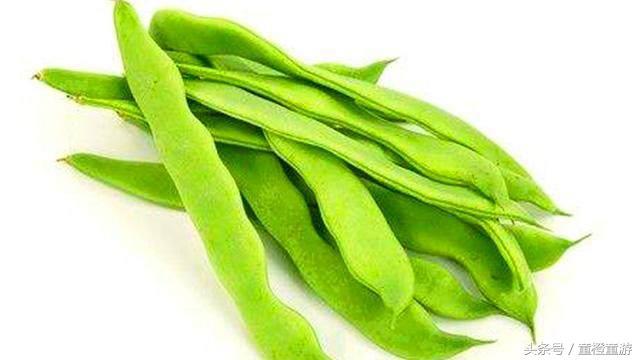
Nutritional Value
Hyacinth beans are nutritious, containing protein, fat, sugars, carbohydrates, calories, crude fiber, ash, calcium, phosphorus, iron, zinc, thiamine, riboflavin, nicotinic acid, as well as vitamins A, B, C, niacin, amino acids and more. According to measurements, fresh hyacinth beans contain 2.7% protein and 3.1% dietary fiber.
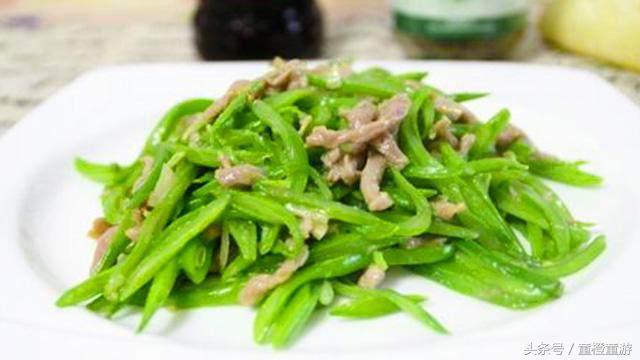
Ways to Eat
There are many ways to eat hyacinth beans: stir-fried, boiled, braised, or used as a side dish. Hyacinth beans are fragrant, glutinous and delicious when stir-fried.
Precautions
1. Suitable for people with weak spleen and stomach, chest tightness and abdominal bloating, hiccups, cholera vomiting and diarrhea, summerheat-dampness, diarrhea due to spleen deficiency, excessive thirst, vomiting from drunkenness, and excessive vaginal discharge. 50-70 grams each time.
2. Before cooking, first "remove the strings," that is, pull off the two vascular bundles (coarse fibers) along the dorsal and ventral sides from the fruit stalk.
3. Hyacinth beans contain hemagglutinin; if eaten half-cooked, they often cause dizziness, nausea and vomiting. When stir-frying, be sure to simmer and stir-fry over low heat and cook thoroughly, so that this toxic substance is denatured and inactivated at high temperature, making it safe to eat.
4. Hyacinth beans contain substances called saponin and alkaloids, which are toxic. If people eat them, mild cases cause dizziness and headache, while severe cases cause nausea, vomiting and abdominal pain. The way to prevent poisoning from eating hyacinth beans is to heat them before cooking.
5. People with urinary tract stones should avoid eating hyacinth beans.
6. Do not eat too much at one time, otherwise abdominal bloating and gas will occur, making you uncomfortable.
7. Before cooking hyacinth bean seeds, soak them in water for about one day in advance so the beans fully swell.
8. Applying hyacinth bean powder directly to the affected area can detoxify and promote tissue regeneration, treating systemic ulceration caused by pox toxin.