How to grow orchids on a balcony? Sharing a few growing experiences
1. Requirements for the growing medium. Orchids like to grow in a sunny, ventilated environment where water does not accumulate, so soil is the most basic element for growing orchids well. The growing soil requirements: airy, loose, and well drained. For example, break red bricks into granular pieces and mix them with ordinary soil at a ratio of about 7:3, then add a little charcoal for growing; in residential areas, you can scoop some surface soil from under the flowers and trees in a flowerbed, add crushed red brick granules, and grow them in that; or buy orchid soil from a flower and bird market to plant them. Put a small amount of crushed brick and gravel at the bottom of the pot to help with ventilation and air permeability.
2. Requirements for temperature and humidity. The optimal growing temperature for orchids is 18-30°C; below 5°C and above 35°C they grow slowly. When the outdoor temperature reaches above 35°C, if conditions allow, provide the orchid plants with appropriate shading; when the outdoor temperature is below 10°C, move Cymbidium sinense and Cymbidium ensifolium to a sheltered spot or indoors, and take certain insulation measures.
3. Requirements for sunlight. Orchids like morning sunlight, which is relatively soft. In the hot summer and autumn, prevent direct sunlight from scorching the orchid leaves. In winter, Cymbidium goeringii, Cymbidium faberi, and Cymbidium tortisepalum can basically be placed outdoors in the south with no problem. If conditions permit, in winter grow orchids on an east- or south-facing balcony or flower rack, and in summer place them on a north-facing balcony or flower rack.
4. Requirements for water. Controlling water is an important condition for growing orchids well. Water thoroughly each time, and the number of waterings should be determined by the season, the growing environment (such as orientation, indoors or outdoors), the soil's permeability, and the size of the pot (how much soil is used for growing): usually water once a week in spring; water once every 5 days in summer and autumn; water once every 10 days in winter. The above watering frequencies refer to orchids placed in an environment where they cannot get rained on; outdoors, adjust flexibly. After the surface soil in the pot dries, water again two or three days later. Remember that orchids would rather be dry than wet, to prevent disease and root rot.
5. Requirements for air. Orchids like circulating, unpolluted air, and air circulation is very important for orchid growth. Especially in the hot summer, if the air does not circulate, orchids are very prone to disease and death. Place the pots far from coal gas, cooking fumes, and dusty places. For orchids kept indoors for a long time, it is best to put them outdoors in a ventilated, sunny place for one or two days a week, which is good for orchid growth.
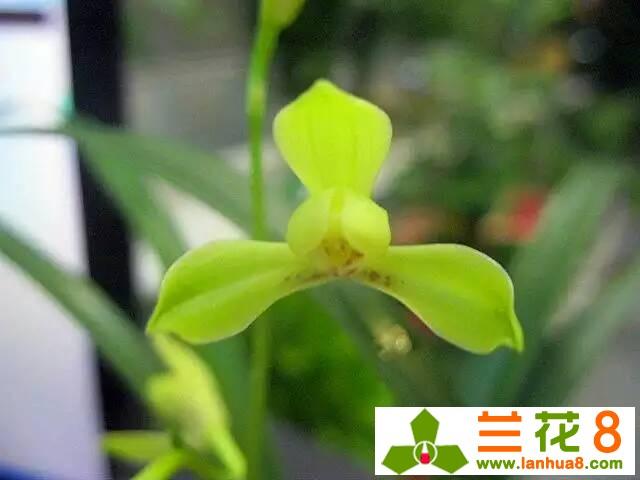
6. Requirements for fertilizer. Orchids like a light diet, and generally do not need fertilizing. The nutrients in the soil of one pot are enough for orchid growth for 2-3 years. If fertilizing, it should also be light; over-fertilizing will burn the roots and leaves, and in severe cases cause the orchid to die.

7. Repotting orchids. Orchids like to grow in clumps, and generally 3-5 shoots per pot is more suitable. The germination rate of orchids varies greatly depending on the variety and on water control, and generally they are repotted once every three years. You can also divide the pot according to the pot size: when the orchid root area accounts for more than three-fifths of the pot, it can be divided.
Promote Chinese orchid culture and spread orchid knowledge! Follow the WeChat public account: Orchid Bar to get the latest orchid knowledge for free!