A detailed guide to lisianthus growing methods, easily grow beautiful flowers
That lisianthus, with its vivid flowers and many colors and high ornamental value, I strongly suggest you sow a pot in autumn~ And! Today I will also introduce a super detailed guide to lisianthus growing methods, don't miss it as you pass by! (Peasant-Lee)
Introduction to lisianthus:
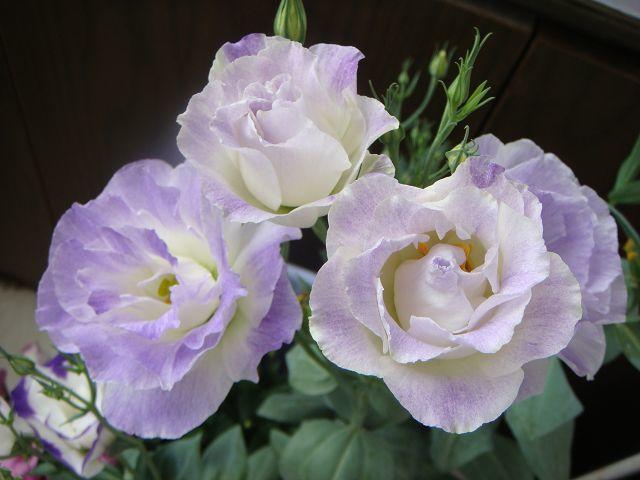
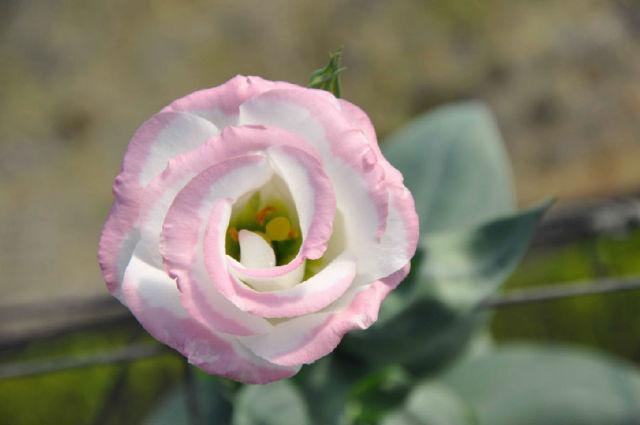
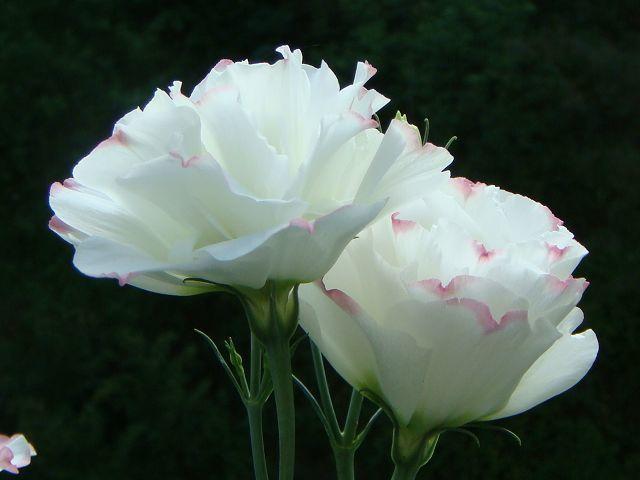
Lisianthus, native to the limestone areas between the southern United States and Mexico, with a plant height of 30-100 cm. It has rich flower colors, including solid and bicolor, and petals divided into single and double. Lisianthus has a light and graceful plant habit, elegant and bright flower colors, and unique and lovely flower shapes. It is currently one of the very popular types of potted flowers and cut flowers internationally.
The growth of lisianthus cultivation can be divided into three stages: seedling stage, transplanting stage, and flowering stage. Lisianthus is native to Texas, Colorado, Arizona, and Mexico, among other places. Although it is found in deserts, it is not a true desert plant, so it has a relatively high water requirement.
I. Seedling stage
Variety selection: According to different varieties, lisianthus can be divided into early, early-mid, mid, mid-late, and late varieties. Generally, if there are no strict requirements, they are divided into early, mid, and late. The suitable cultivation period for early varieties is March, August, and September; the suitable cultivation period for mid varieties is March, July, and August; the suitable cultivation period for late varieties is March to July. The seedling stage is usually two months, so sowing should be done about two months earlier than the suitable transplanting time according to the different varieties.
Before sowing, it is best to disinfect the substrate to avoid the occurrence of pests and diseases. It is advisable to keep the soil pH at 6~6.5 to promote the absorption of Ca. When sowing, first moisten the substrate. After sowing, do not cover it, keep it exposed to light, and during the seedling stage pay attention to keeping the substrate moist. Keep the substrate temperature at around 20~24 degrees to promote germination.
The above is for the cultivation of transplanted seedlings. If direct sowing is used, it can be adjusted appropriately. In lisianthus cultivation, the root system is the most critical, so it is best to use slightly deeper plug trays for sowing to promote root growth and avoid root damage during later transplanting.
Generally, seedlings emerge two weeks after sowing. After the seedlings begin to appear, move them to a more ventilated position, keep the temperature appropriately lower (15~20 degrees), and apply 100~150 ppm nitrogen fertilizer. The key during this period is that the daytime temperature should not exceed 25 degrees, and the nighttime temperature should not be lower than 5 degrees, to prevent rosetting (rosetting is a normal physiological response of lisianthus to avoid adverse conditions and low light, generally shown as the main growth point stopping development, the plant growing in a clump, and being unable to branch and bloom normally). During this period, the seedlings grow slowly. Pay attention that the temperature and humidity are not too high, to prevent leggy growth and the occurrence of diseases, and at the same time the light intensity should not be too low.
II. Growth stage
When the seedlings have two pairs of true leaves (4 true leaves), they can be transplanted. Be careful not to damage the roots when transplanting. For home gardening, there is generally no continuous cropping obstacle, just be careful not to use too old potting soil. When transplanting, do not plant too deep, to avoid the occurrence of stem rot. During cultivation, keep the soil temperature at 13~23 degrees. After transplanting, water thoroughly, but be careful not to water too much later either; just keep the soil moist. Generally, the watering ratio on sunny days is: morning:daytime:evening as 2:2:1.
Lisianthus grows faster under conditions of high temperature and long daylight. To make each plant produce more flowers, usually after the seedlings recover, when both pairs of true leaves are relatively large, pinch the plant to promote more branching. It is recommended to have one plant per pot. For pot cultivation, pay attention to the amount and frequency of watering. Lisianthus has a very high water requirement, but excessively high humidity can easily damage the root system and can also easily lead to the occurrence of gray mold, so adjust it yourself according to climate and temperature.
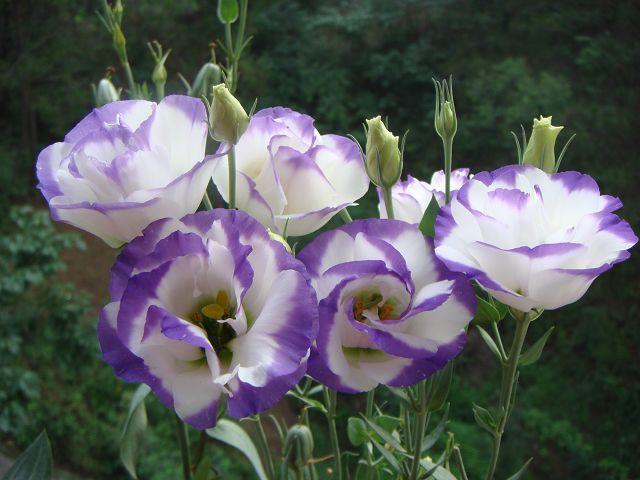
When flower bud differentiation begins, watering should be gradually reduced to avoid leggy growth. Note that watering cannot be suddenly reduced at high temperatures. Lisianthus does not need much fertilizer for growth; Miracle-Gro flowering plant formula can be used for watering.
Generally speaking, higher temperatures and long daylight are beneficial for promoting plant flowering, while excessive water and fertilizer will delay flowering. Some people may prefer earlier flowering, but earlier flowering means insufficient vegetative growth, shorter plants, and fewer flower buds. Therefore, to avoid early flowering of the plant, you can remove flower buds that differentiate too early, and you can also promote robust plants through short-day treatment and cooling treatment. Note that short-day treatment is generally done before flower bud differentiation. Generally, after more than 8 hours the plant can carry out flower bud differentiation, so shading treatment can be carried out after 5 p.m.
One key issue: after lisianthus blooms, if nutrient consumption is not severe, a second crop can still be cultivated. If you are willing, you can harvest as with cut flowers after flowering, from above the second pair of true leaves, and with good water and fertilizer management, after three months it can still bloom with equally beautiful flowers. This method is not very suitable for early varieties.
After transplanting, be careful that the temperature is not too low. It is recommended not to go below 17 degrees. Low temperature, dryness, insufficient light, and excessive nitrogen fertilizer can easily cause flower bud abortion.
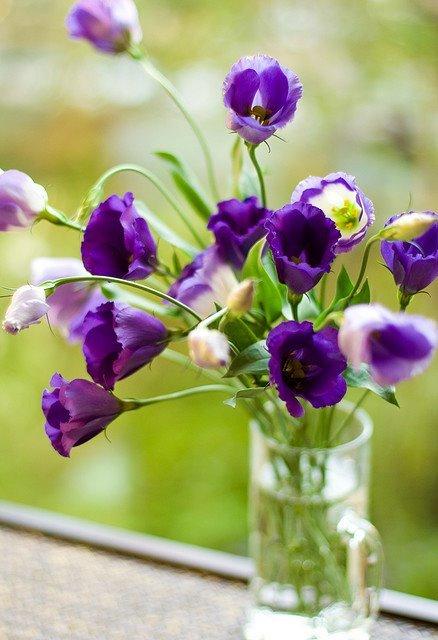
In addition to pests and diseases, there are several issues to note:
1. If the plant rosettes during cultivation, gibberellin can be appropriately sprayed, but be careful not to use too high a concentration;
2. Lisianthus is relatively sensitive to fungicides, so when the plant is diseased, the pesticide concentration should not be too high, to avoid causing phytotoxicity.
Fruit Bang (WeChat ID:shuiguobangv)
Introduces potted plant techniques for all kinds of fruits, flowers, and more, as well as various home creativity.
Grassroots Platform (WeChat ID: cg00200)
The world of grassroots, the grassroots of the world, bringing everyone all kinds of eye-opening grassroots information every day.