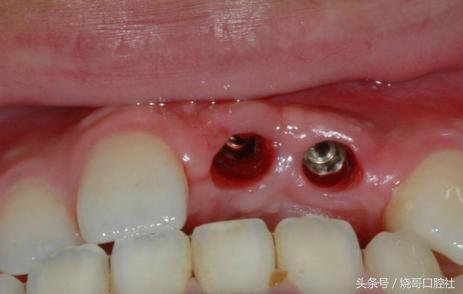
What Should You Do If a Dental Implant Becomes Loose? Here's the Correct Way to Handle It

Brother Shao, the old dentist, chatting about oral problems~A single dental implant costing over 10,000 yuan, taking 6 months of surgery plus follow-up treatments, this process is truly painful and agonizing, yet less than 1 year after it was finished, even though the edges of the other gums are all quite normal, the gums near the implant root have started to recede. Why has even the dental implant become loose?
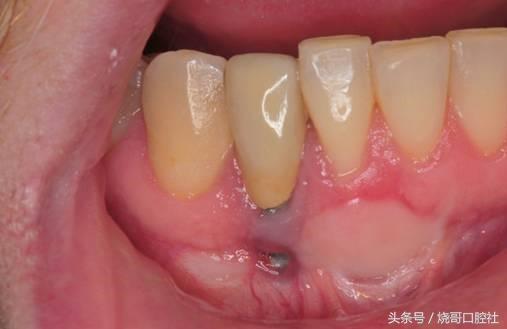
Because the artificial root of a dental implant has no periodontal ligament protection!The alveolar bone tissue is more prone to damage, and as it gradually resorbs, the alveolar bone level drops, and the gums recede along with it, just like a tree without soil. The thinning of the dental implant root becomes obvious, and over time the dental implant will fall out on its own. But this doesn't mean every dental implant will recede and become loose; the key is whether your gums have periodontitis. Once alveolar bone resorption is severe, it will directly affect the lifespan of the dental implant.
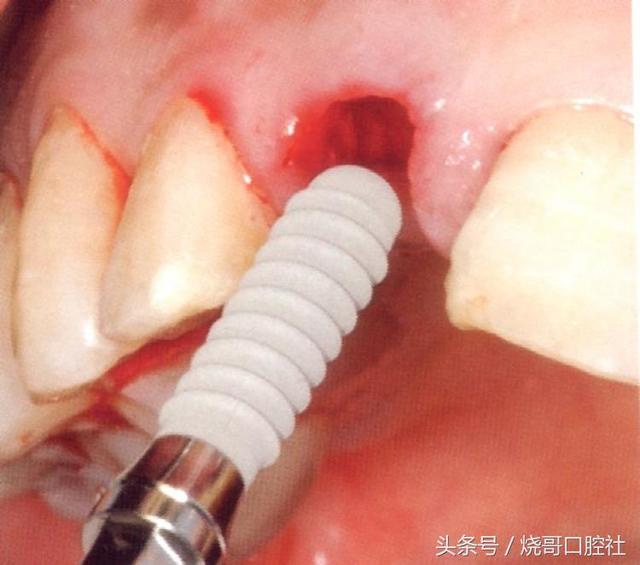
1. What should you do if the dental implant root becomes loose?
Since we know it's caused by periodontitis, you must first undergo basic periodontal treatment, such as teeth cleaning or periodontal scaling, to remove the pathogenic bacteria on the tooth surface. Although the gums cannot grow back, the degree of gum recession has been controlled, at least preventing further alveolar bone resorption.
If the dental implant root shows grade II mobility, then periodontal surgery is also needed at this point, grafting other gum tissue to cover the root. When you feel the implant is about to fall out, unfortunately it has reached grade III mobility and must be extracted promptly. The missing tooth area can only be treated with a dental prosthesis, or periodontal surgery can be done to repair the gums and continue with implant placement!
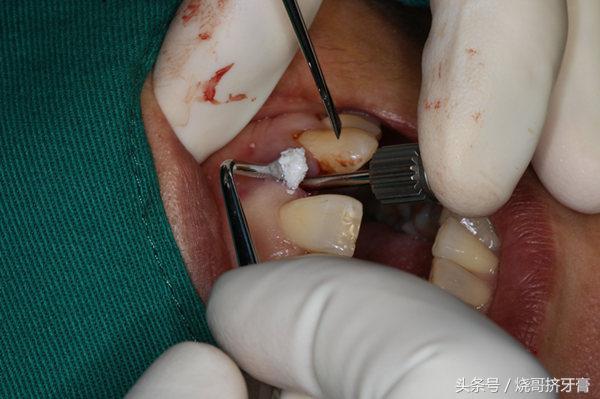
2. How do you prevent the dental implant root from becoming loose?
It's actually about preventing periodontitis. After dental implant surgery, besides aftercare, regular checkups are also needed! Generally, the nearby gum tissue is more fragile, and when brushing the implant abutment you must be especially careful not to damage the gum tissue. Try to choose a soft-bristled toothbrush, and don't bite hard foods, otherwise the crown may fracture, or even the implant may become loose. This is also why doctors are quite strict about your bone quality issues before implant placement.
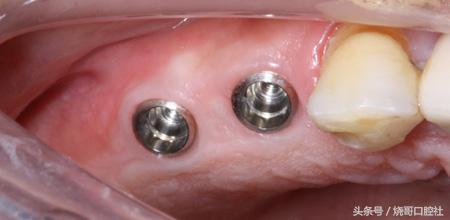
So a loose dental implant root is nothing but the fault of periodontitis, which determines whether the dental implant root and alveolar bone are tightly integrated. As long as the gums are regularly maintained, a dental implant can last around 40 years. If you have any questions about dental implants,welcome to follow [Brother Shao's Oral Care Community], you can leave a message in the comment section, and Dr. Shao will personally answer for you~