Dental Implants vs Dentures: How to Choose? A Full Comparison and Analysis
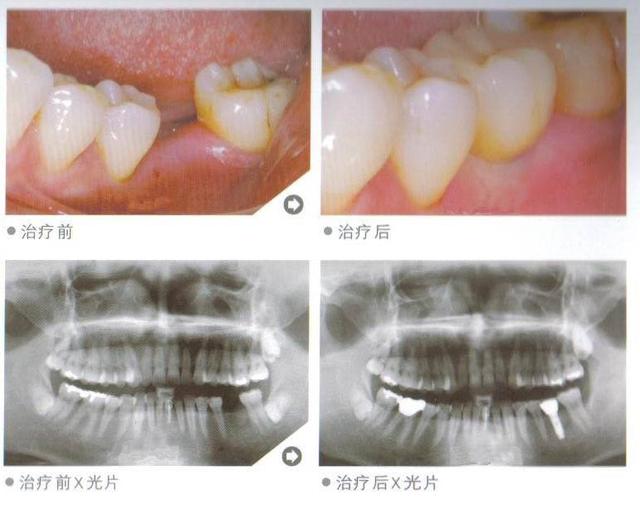
[1]Alveolar bone resorption
When teeth are present, alveolar bone resorption does not often occur, but after teeth are lost, alveolar bone resorption proceeds rapidly, and the jawbone shrinks significantly. At this point, wearing dentures places a burden on the alveolar bone, and compared with not wearing dentures, alveolar bone resorption proceeds about 20% faster, so the dentures must be replaced every few years, and their lifespan is also hard to exceed 5 years. In contrast, dental implants can make the bone around the alveolar bone firm, reduce resorption, and serve the function of maintaining the alveolar bone.
[2]No damage to other teeth
A dental restoration procedure like the bridge method requires scraping down the two healthy teeth on either side of the lost tooth, and these two teeth must share the burden together with the tooth restored after the loss, thus reducing the lifespan of the other teeth. The same is true of dentures: they hook onto the remaining teeth and also cause damage to them. However, dental implants are placed independently, so they do not have an adverse effect on the surrounding teeth.
[3]Restoring the sensation of chewing
The reason we can taste food when we eat is that the teeth are rooted in the alveolar bone. When dentures are used, the dentures rest on top of the gums, the force of chewing is greatly reduced, and it is very hard to sense taste. Dental implants are placed inside the alveolar bone, and although they are not as good as natural teeth, they can provide the pleasurable sensation of chewing.
[4]Restoring chewing force
If the maximum chewing capacity of healthy natural teeth is taken as 100, the chewing force of partial orthodontic treatment is 15-20, that of complete dentures is 10-15, while dental implants can exert a force of 80-90.
[5]No effect on pronunciation problems
Dentures move around in the mouth and are too bulky, causing difficulty with pronunciation, but dental implants are very similar to natural teeth and basically have no effect on pronunciation.