What is it like when a dental implant gets sick? An explanation of the causes
With the greatly increased success rate of modern dental implant surgery, many people overlook one problem: implant treatment can also fail due to certain biological complications, such as peri-implant mucositis and peri-implantitis. As early as 2008, at the Sixth European Workshop on Periodontology, some scholars defined peri-implant mucositis and peri-implantitis as "infectious diseases."
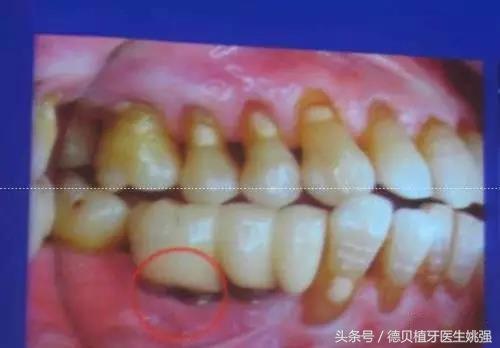
A large number of bacteria exist around dental implants, and quite a few of these species have a destructive effect on the tissues around the implant. If they cannot be cleaned away thoroughly in daily life, then the excessive growth of pathogenic bacteria will pose a threat to the health of the dental implant. In addition, the causes of peri-implant disease also include the position and direction of the dental implant, the prosthetic design, occlusion, and so on, but the main cause is still the influence of oral pathogenic bacteria.
What is peri-implantitis?
Peri-implantitis is an inflammatory lesion that occurs in the soft and hard tissues around a dental implant, leading to the loss of the supporting tissues around the implant. It involves not only local gingival redness, swelling, bleeding, and suppuration, but also obvious bone resorption around the implant as seen on X-rays. If peri-implantitis is not treated promptly and effectively, it may lead to implant failure.
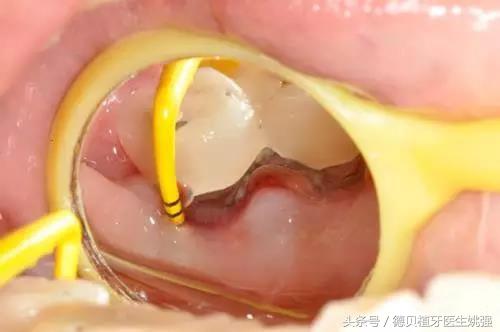
The clinical manifestations of peri-implantitis are similar to those of periodontitis, with no subjective symptoms in the early stage, and it is usually only discovered during follow-up examinations. The typical symptoms of peri-implantitis are: red and swollen mucosa, bleeding on probing, suppuration within the peri-implant pocket, increased probing depth, and reduced osseointegration.
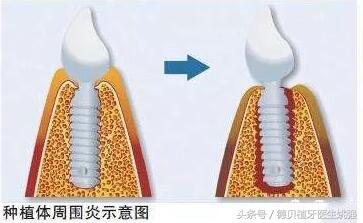
Various types of bone resorption can be seen on X-ray examination, and a typical symmetrical "saucer-shaped" (or "crater-like") bone defect may also appear. In addition, if peri-implantitis is not treated promptly and effectively, it may lead to implant failure.
How is peri-implantitis treated?
Dr. Yao Qiang, a dental implant doctor at Debei, states: treating the infected implant surface and reducing bacteria around the implant is the core of peri-implantitis treatment. The treatment of peri-implantitis needs to be analyzed on a case-by-case basis according to the specific conditions of the disease. If clinical examination and assessment show that the dental implant can still be retained, plaque and calculus around the implant should first be removed to control the inflammation.
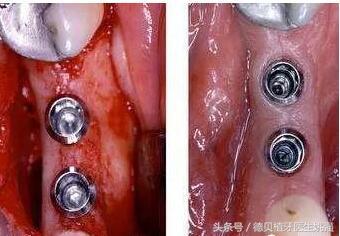
The goals of peri-implantitis treatment are similar to those of periodontitis, namely to achieve bone regeneration around the implant and regain osseointegration. Before treating peri-implantitis, it should be checked whether there are iatrogenic factors promoting peri-implantitis, such as excess adhesive, an overly high restoration, and an improper implant position. Possible iatrogenic factors should be removed first, and then conventional treatment for peri-implantitis should be carried out. Treatment is mainly divided into two approaches: non-surgical treatment and surgical treatment.
How can peri-implantitis be prevented?
1. Oral hygiene guidance
Before carrying out any treatment, the doctor should provide the patient with oral hygiene guidance so that they master the necessary knowledge of oral health care.
2. Daily oral maintenance
Master effective methods of plaque control and maintain good oral hygiene: a soft-bristled, round-headed toothbrush and toothpaste containing a small amount of abrasive can be used to avoid damage to the implant surface. Dental floss specially designed for implants can also be used to clean the proximal surfaces of the denture, with the focus of cleaning on the implant-abutment connection and its surrounding soft tissues.

3. Regular follow-up examinations after surgery
Just like our own teeth, dental implants also require regular follow-up examinations to prevent the accumulation of plaque and calculus from causing destruction of the surrounding tissues. It is recommended that patients return for follow-up visits at weeks 1, 2, 4, 12, and 24 after implant surgery and after installation of the restoration. During follow-up visits, the doctor needs to evaluate the effectiveness of the patient's oral maintenance and offer suggestions for improvement. At the same time, attention should be paid to checking the function, aesthetic effect, and stability of the restoration and its attachment devices, as this can help determine whether the restoration needs to be removed or replaced. Thereafter, professional maintenance should be carried out at least once every 5 to 6 months.
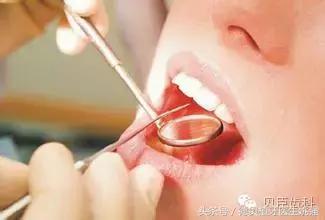
After reading about peri-implantitis, aren't you quite shocked!!! Although dental implants have obvious advantages over other ways of restoring missing teeth, if they are not properly cared for after surgery, problems will still arise. Studies show that patients with good compliance who persist in periodontal maintenance according to medical advice have a significantly lower probability of developing peri-implant disease than those with poor compliance. So, nothing is ever accomplished once and for all; everything requires our careful attention!