A Detailed Guide to Growing Ornamental Peppers and Points to Note
In the past couple of years, a kind of small, round little chili pepper has frequently appeared for sale on the market. The colors are not all the same - there are purple, yellow, green, green, white and so on. This is the currently very popular ornamental pepper.
Ornamental peppers are bright in color, sweet in taste and crisp in texture. They can be sliced raw and stir-fried with meat, or used to stew with chicken and various other dishes. The most common way to prepare them is to wash and air-dry them, put them in an airtight container, pour in soy sauce at a 1:1 ratio to soak them, and after soaking for a while you can take them out at any time to make a cold dressed dish.
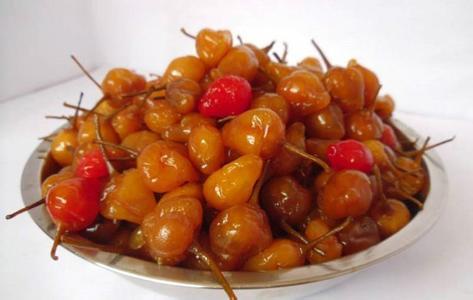
Actually, ornamental peppers are not only tasty, they are also very easy to grow. Whether on a balcony or downstairs, as long as you find a box, fill it with soil and loosen the soil, you can sow the seeds. We are not vegetable farmers - if we are just growing them for our own household use, about five plants can produce a lot of fruit. As long as pollination is successful, there are usually plenty of fruits, and they hang thickly all over.
The correct time to plant colored peppers is from July to December, which is best, because if planted during this period there will be relatively fewer pests. But if you sow too late, you may worry that frost will stunt the young sprouts. Even if they barely survive, it will affect their growth. Of course, in the Guangdong and Guangxi regions, the temperature generally is not too low, so there is no need for insulation - it is much the same all year round, as long as you do not run into the frost season.
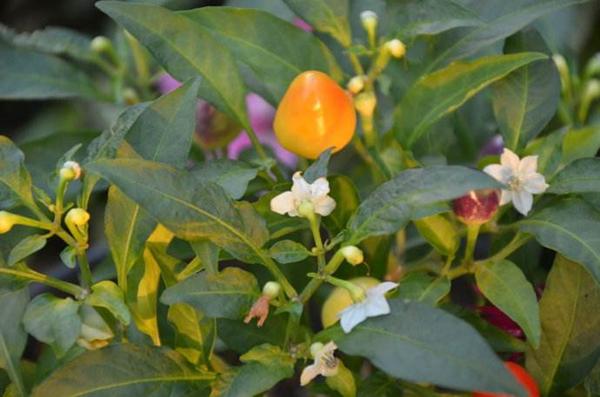
The root system of colored peppers grows slowly, so the soil must be loosened before planting. After the sprouts emerge, while keeping the surface moist, you should also maintain a deep, loose and fertile soil environment. It is recommended to use a ring-shaped hollow for the planting pit. In this way, after the pepper seedlings grow, the soil under the roots and moisture retention can play a big role.
During the flowering and fruiting period of colored peppers, you need to manually help with flower and fruit thinning. So-called flower and fruit thinning means pinching off the excess side branch buds before flowering. While ensuring air circulation, it also ensures the fruit's size, nutrition and space to expand and grow. You can also improve light conditions by using the cross fruit-setting method, and promptly remove the black and yellow diseased leaves at the lower part of the pepper plant, so as to avoid breeding pests and loss of nutrients.
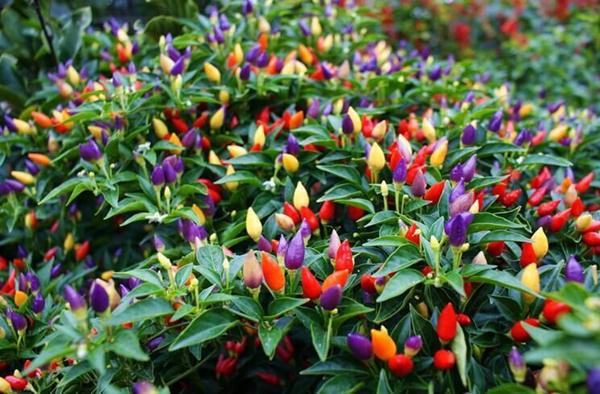
After the colored pepper fruits stop expanding and change color, they should be harvested in time. Harvesting in the morning is required. When harvesting, pick off the entire fruit stalk and do not leave a stalk in the leaf axil. This is more conducive to the growth of other fruits and does not damage the pepper plant.
Focusing on agriculture, rural areas and farmers, and paying attention to all aspects of rural life.