Detailed Guide to Growing and Caring for Yardlong Beans
The seasonal vegetable yardlong bean is loved by young and old alike, and it is one of the most popular vegetables to grow right now. The yardlong bean is a high-quality legume vegetable with an attractive appearance and rich nutrition, and it has the characteristics of few fibers and good taste. In particular, its unique bean aroma is unmatched by other vegetables. It can be cooked and eaten as fresh pods, and can also be processed into high-quality dehydrated vegetables and quick-frozen vegetables, making it deeply popular. What should be noted when growing yardlong beans, and how do farmers grow them at home?
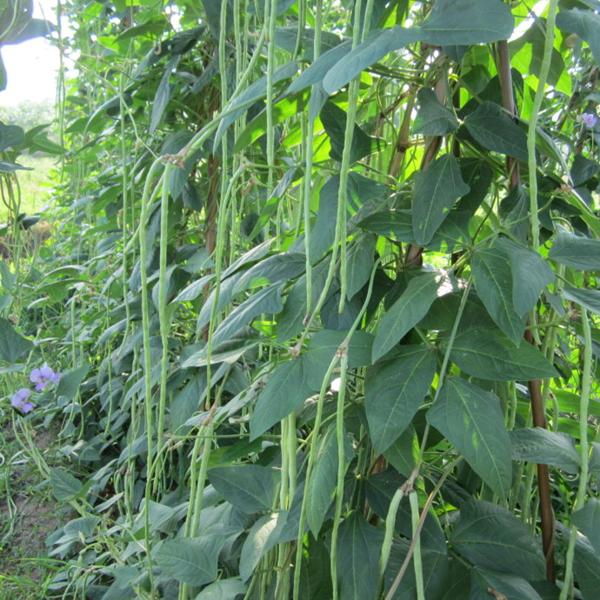
Step 1: Yardlong beans like moisture and tolerate high temperatures, are not tolerant of frost, and need strong light. Before sowing, first plow the land to make the soil loose, plant on both sides of the ridge path, and the main pits can be divided into long strip shapes or independent round pit shapes, with the furrows left for planting.
Step 2: Bean seeds, select high-quality plump grains, first try soaking a few seeds to sprout and observe the germination rate before sowing. As for varieties, there are very many. Some people like small flat bean grains, and some like the type suitable for pickling sour yardlong beans. But in fact, more people like the white-green type, with thick inner flesh and plump beans at home.
Step 3: Keep the soil surface moist every day. When the bean seedlings grow to about 10CM, you can add straw ash and spread it on the ground, and add diluted fertilizer water twice a week as supplementary watering.
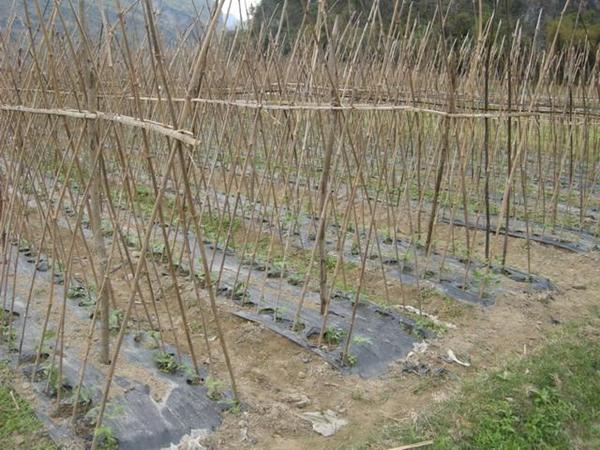
When the bean seedlings grow to 20CM tall, you can begin inserting poles in rows. It is recommended to use a single straight-row type of pole insertion. The crossed type looks very nice, but anyone who has grown them knows that it is very difficult to deal with later when the vines finish. When tendrils grow, they need to be tied with straw or rope to guide them to climb. In addition to scientific fertilization, when there are too many tendrils, the seedlings must be manually shortened to prevent excessive vine growth.
Because yardlong bean seedlings attract pests very easily, it is best to carry out the first whole-seedling insecticide spray before flowering. When the yardlong beans have grown short and small, carry out another whole-seedling insecticide spray. In this way, when the yardlong beans grow again, there will not be so many pests, and there is no need to worry about pesticide residues and be afraid to spray. The main pests are the bean pod borer and the cowpea pod borer. You can also use 25% dimehypo water agent at 500 times or Cascade 50~75 mixed with 60 kg of water, spraying once every 7~10 days from budding to early flowering, for 2~3 consecutive sprays.
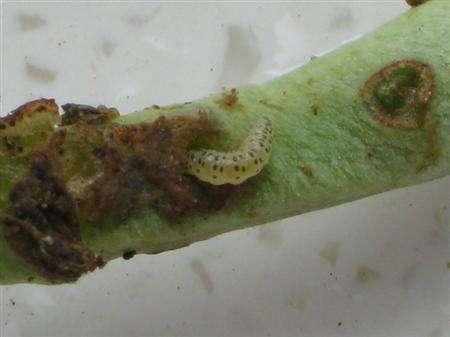
Yardlong beans with pest damage
In the middle and late stages of yardlong bean growth, you can spread a layer of lime powder on the ground surface, and then also sprinkle a layer onto the seedling trellis. This can also help prevent insects.
Focusing on agriculture, rural areas, and farmers, and paying attention to all aspects of rural life.