What kind of soil is suitable for growing peanuts?
Soil texture mainly affects the supply of nutrients and oxygen to peanuts. Peanuts are not very demanding regarding soil; they can be planted in any soil except extremely heavy clay soil and saline-alkali land.
However, because peanuts are a crop that flowers above ground and fruits underground, to obtain high quality and high yield, the most suitable soil physical properties are sandy loam with a loose plough layer and a deep tillage layer. Sandy loam with a certain level of fertility and relatively loose structure has good aeration and permeability, ensuring that the pegs can smoothly enter the soil; it is mostly rich in phosphorus and potassium nutrients, so the pods produced have a smooth surface, thin shells, and plump kernels, with good quality and easy harvesting. Deep, loose soil is good for peanut root development and beneficial to the activity of aerobic rhizobia and other microorganisms; on the contrary, compacted, waterlogged soil with a pH below 5.5 is not conducive to nodule formation and rhizobia reproduction. During pod development, the pegs entering the soil are subjected to mechanical friction from soil particles, which is one of the main factors stimulating pod enlargement. Without this mechanical stimulation, the ovary cannot enlarge or cannot fully enlarge.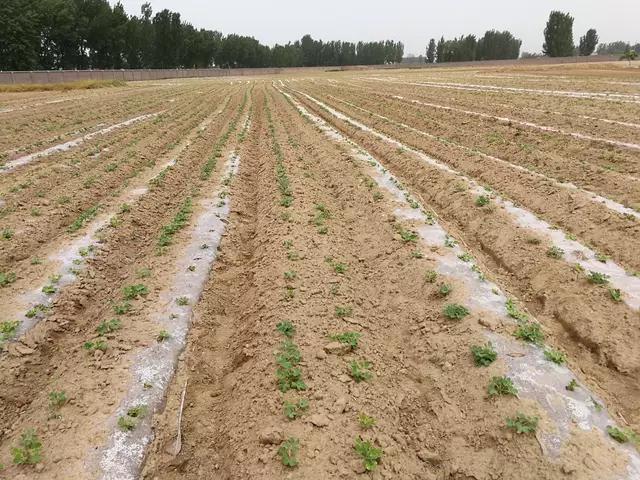
The soil requirements for high-yield fields are as follows: (1) Deep total soil layer. The total soil layer of a high-yield field should be more than 50 cm, the plough layer about 30 cm, and the roughly 10 cm fruiting layer should have loose soil texture and good permeability. 99% of the peanut root system is distributed within 50 cm, while the taproot penetrates more than 1 m deep, so deep soil is very important for the growth and development of the peanut root system.
(2) Good soil physical properties. The ratio of sand to clay is 6:4, bulk density 1.35 g/cm, total porosity above 40%, capillary porosity small in the upper layer and large in the lower layer, non-capillary porosity large in the upper layer and small in the lower layer.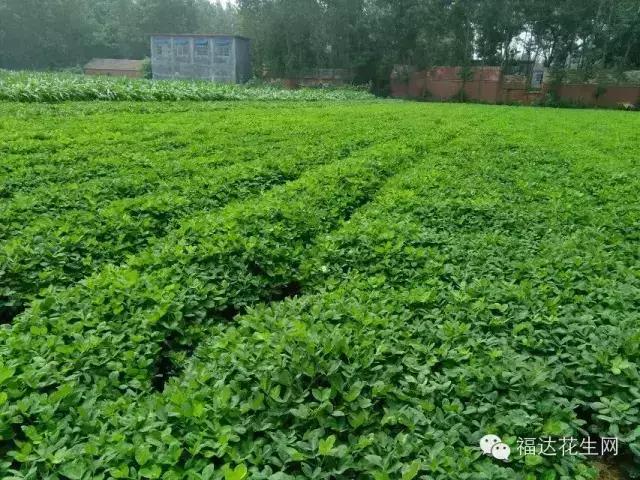
(3) Loose and fertile fruiting layer. The topsoil layer of more than 10 cm is the fruiting layer where peanut roots and stems grow and pegs enter the soil to set fruit. The soil is required to be sandy loam with good permeability, which does not scatter or harden when dry and is not sticky when wet. Organic matter content above 1%, total nitrogen content 0.05%-0.07%, available phosphorus content 24-25 mg/L, available potassium content 54-74 mg/L, pH 6-7.
(4) Early-crop field soil should comply with the content limits of various pollutants. The farmland soil environmental quality should be good, meeting the national Soil Environmental Quality Standard and the Agricultural Product Safety and Quality Standard, with medium or above-medium fertility, and no infection or occurrence of nematode disease or Fusarium wilt pathogens. Soil conditions must meet the requirements of GB15618-1995 Soil Environmental Quality Standard: depending on pH value, the limits for some pollutants in soil differ. The higher the pH value, the higher the content limits for cadmium and mercury pollutants in soil; the lower the pH value, the higher the arsenic content; the limits for lead, cadmium, and copper are not affected within a certain pH range.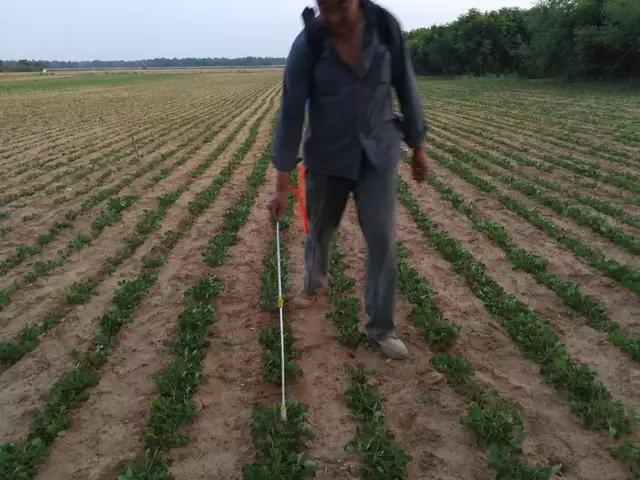
Different peanut variety types differ in their soil adaptability. For example, common-type peanut varieties planted on aeolian sandy soil help prevent erosion and conserve water and soil; pearl bean-type peanut varieties absorb less calcium during their growth period than common-type large peanut varieties, and can be planted on calcium-deficient acidic red soil and yellow soil. [Teacher Shang of Fuda Peanut Network]