How to grow bok choy? A detailed guide to planting methods in a school vegetable garden
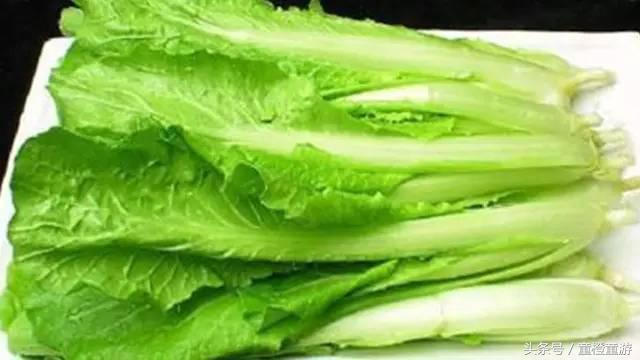
Bok choy (Brassica campestris L. ssp. chinensis Makino (var. communis Tsen et Lee)), scientific name common cabbage, commonly called green vegetable, also known as jiao cai, piao er cai, piao er bai, rape (in some areas of Northeast China), oil cabbage, etc. It originated in our country and is distributed throughout the north and south. Bok choy is a cultivated plant of the genus Brassica (mustard genus), with edible stems and leaves, an annual or biennial herbaceous plant, often grown as an annual. The leaf color ranges from light green to dark green, the leaves are obovate or elliptical, the leaf surface is smooth or wrinkled, and a few have fine hairs. The petioles are thick and fleshy, white or green. It does not form a head. The flowers are yellow and the seeds are nearly round.
Planting methods
1. Seed preparation
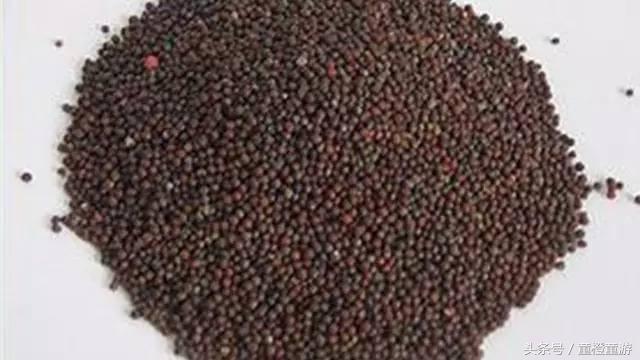
Bok choy can be sown directly or raised as seedlings and then transplanted. You can first soak the seeds in warm water at 50-55°C for 15 minutes, then place them in water at room temperature and soak for 6-8 hours.
2. Sowing
Put the nutrient soil into a flower pot, level the surface of the soil layer, and make small furrows 1 cm deep and about 1-2 cm wide, with 10-15 cm between furrows. Place one seed every 1 cm, then after sowing gently cover with soil and water.
3. Germination
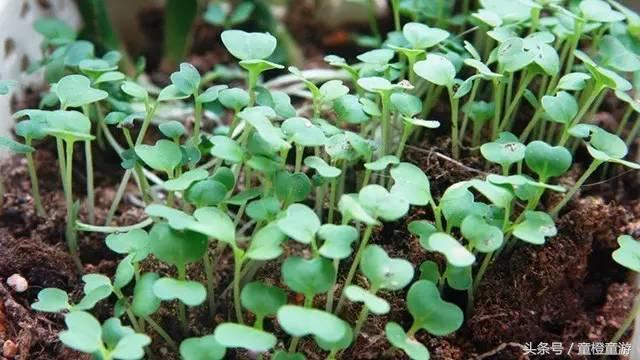
Generally they will sprout after 3-4 days, and you must be sure to water. Before germination, do not let the soil dry out.
4. Thinning
After bok choy sprouts, pinch poorly developed seedlings with your fingers and pull them out, so that the spacing between plants is 3 cm. To prevent the remaining seedlings from falling over, earth up around them as appropriate. (Bok choy easily attracts insects, so you can cover it with gauze to prevent pest damage.)
5. Harvest
When it grows to 25 cm, it can be harvested; cut it from the base with scissors. If bok choy is too large, the taste becomes poorer.
Temperature
Bok choy is a semi-cold-tolerant vegetable and likes a cool climate, with an average temperature of 18-20°C
Light
Bok choy likes a warm and humid environment. When growing it, you can place it in sunny places such as a rooftop terrace or balcony.
Soil
The nutrient soil should be loose, air-permeable, and able to retain water and fertilizer. Generally, garden soil and leaf mold are mixed with organic fertilizer in a certain proportion.
Water
It is best to water in the morning and evening. Do not water at too hot midday. After watering, wait until the water seeps into the soil and is no longer sticky, then loosen the soil with a small rake.
Cultivation time
The best cultivation time is between March and October.
Fertilizer
During the growing period, apply additional fertilizer 2-3 times along with watering, and a nitrogen-phosphorus-potassium compound fertilizer is suitable.
Growing containers
Flower pots of various sizes, discarded wooden boxes, etc.
Harvest period
It can be harvested for eating 20-40 days after sowing.
Nutritional value
Bok choy contains protein, fat, carbohydrates, dietary fiber, calcium, phosphorus, iron, carotene, vitamin B1, vitamin B2, niacin, vitamin C, etc. Among these, the calcium content is relatively high, almost equal to 2-3 times the content in Chinese cabbage. Bok choy is neutral in nature and sweet in taste. It can treat diseases such as lung-heat cough, constipation, erysipelas, and lacquer sore.
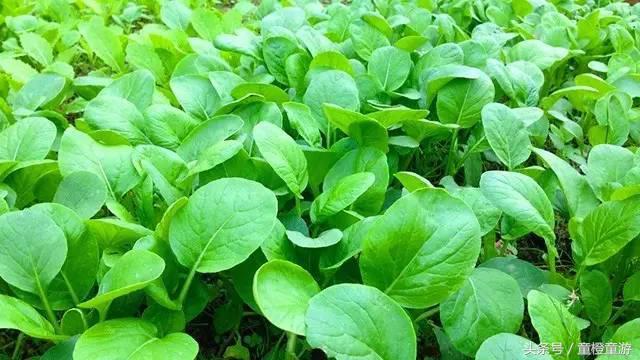
Ways to eat
Bok choy can be boiled or stir-fried, and can also be made into vegetable soup or eaten as a cold salad.
Precautions
1. Generally, everyone can eat bok choy.
2. It is especially suitable for patients with lung-heat cough, constipation, erysipelas, lacquer sore, boils, etc., and for people deficient in calcium.
3. Because bok choy is cool in nature, people with weak and cold spleen and stomach should not eat much of it;
4. Bok choy is not easy to eat raw.
5. When making dishes with bok choy, the stir-frying and boiling time should not be too long, so as to avoid losing nutrients.
6. After wrapping bok choy and refrigerating it, it can only last 2-3 days. If stored together with the roots, it can be extended by 1-2 days.