How do you grow clematis? Sharing some growing experience
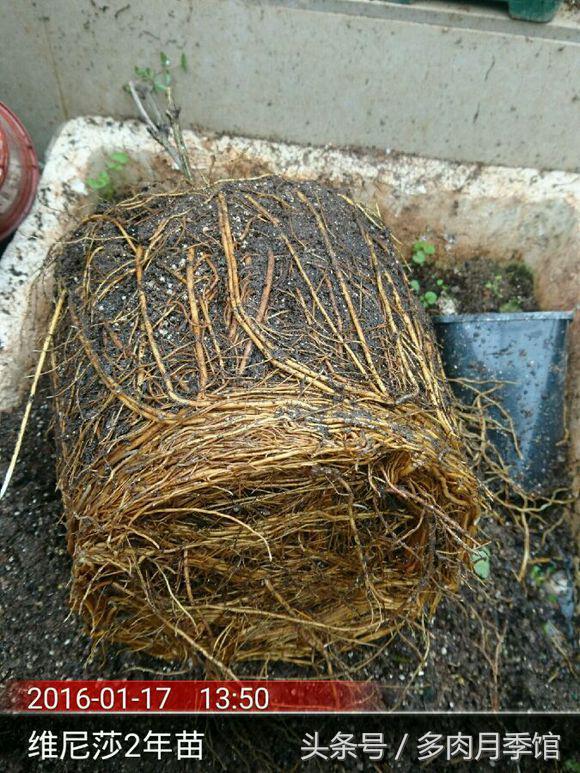
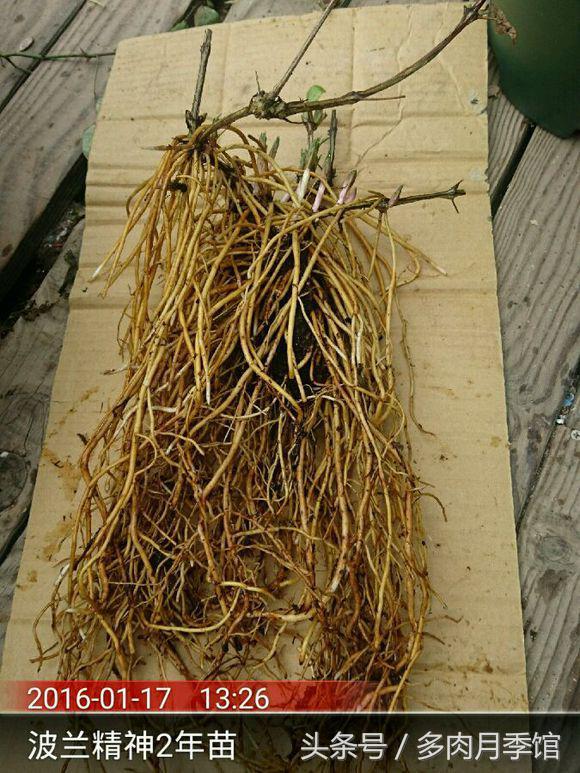
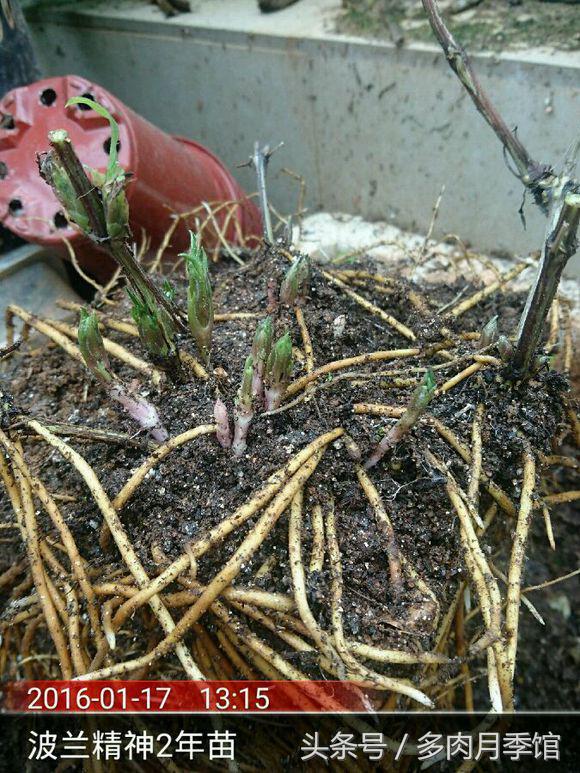
Let's talk about cuttings. There are many tutorials on this, and they are basically the hit-the-wall 2.0 method. This cutting method can be extended to the cuttings of many plants. First, choose the branches. Do not use ones that are too tender. So-called tender means the branch has little fibrous tissue and is not hard enough; after cutting, it easily loses water and shrivels, and roots are not easy to grow. Apart from that, all branches can be used for cuttings. Of course, semi-lignified branches from the current year are best; this kind of branch has high vigor and the callus tissue grows quickly. Old branches can also be used for cuttings, but the survival rate is a bit lower. Because most old branches have no leaves, after cutting there are no leaves to absorb water and evaporate to form a cycle, so the branches rot very easily. It is best to choose branches with prominent buds. Many with inconspicuous buds, even if they grow roots, do not sprout, which is also useless, just like infertility patients. Once the branches are chosen, the rest is simple: cut once within 1 cm above the bud, cut once 5-6 cm below the bud, then insert into 4-6 mm vermiculite. Place the vermiculite in a tray, and just add water when the tray lacks water. The time to root varies; some can be potted up in one month, while some still have very weak roots after 2 months. Rooting conditions differ for different varieties.
For cutting branches, I cut them to a length of 5-6 cm, and I have my own views on this. When I first got into this hobby, many cutting technique posts said to leave a length of 10 cm. I do not agree with this figure. Taking a length of 5 cm for analysis, the roots grow out from the cut at the bottom, and the new roots are about 5-7 cm long, for a total length of 10-12 cm. The pots we usually use are P9 pots, with a height between 12.5-13 cm. When transplanting, the buds are required to be buried about 2 cm lower than the pot surface, so that later the buds can be covered in the soil. By this calculation, a branch length of 5 cm is just right. When the branch reaches 10 cm, there is not enough space below for root growth, and the buds above are exposed above the pot surface.