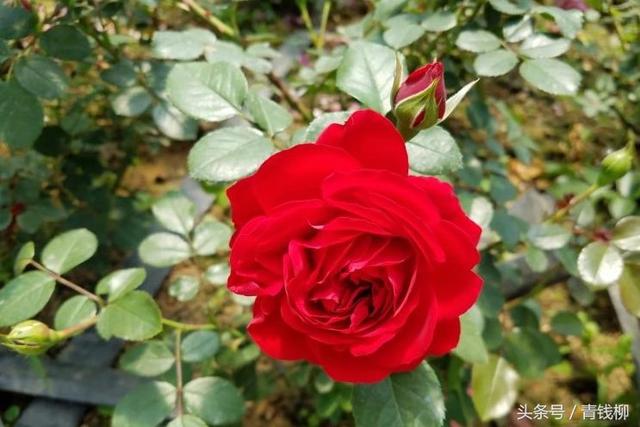
Detailed Explanation of Large-Scale Rose Cultivation Techniques
Techniques for How to Grow Roses on a Large Scale
Roses, carnations, lisianthus, hydrangeas and other cut flowers account for 80% of the total area of cut flowers.
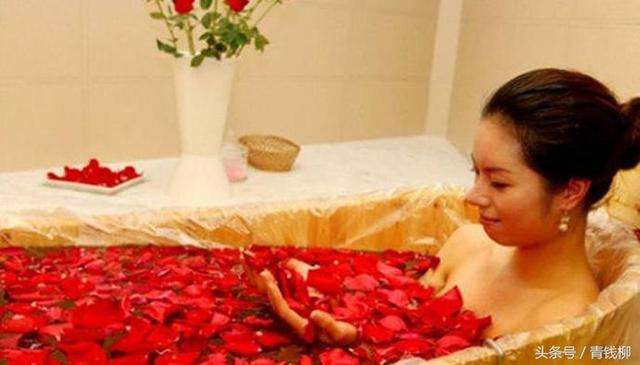
The rose is a shrub of the genus Rosa in the family Rosaceae; in everyday life it is the collective term for a series of large-flowered, showy cultivated varieties of the genus Rosa,and these cultivated varieties may also be called China rose or Rosa multiflora. Rose flowers can be used for rose beauty care; it is a new-generation beauty tea, and it hasa marked eliminating effect on freckles and wrinkles, while also having the advantages of nourishing the complexion, reducing inflammation and soothing the throat. Placed in water, it floats and sinks on the surface, just likea rose blooming; quietly observing its beauty, its taste and fragrance are elegant, making it the best choice for beauty care and health maintenance.
Roses are mostly propagated by sowing, division and cuttings. Sowing must be done in autumn, and the seeds are subjected to sand storage treatment. Sandstorage treatment method: mix sand with a small amount of soil, moisten with water, using the degree to which it can be formed into a ball when held in the hand and crumbles into grains when released. Then wash the seeds and mix theminto the sand. In a sunny or semi-shaded spot, dig a trench 60 cm wide and 80 cm deep running east to west, and bury the sand mixed with seedsinside it, leaving air holes. Dig them out in early spring of the following year; seeds with a cracked opening are best for sowing. Division propagation can be carried out in both spring and autumn,with autumn being better. Separate 1-2 year old seedlings from the old plant with part of the roots; it is even better if the wound can be disinfected, and they will root very easily.Cuttings are mostly carried out in July-August. Select vigorous, well-filled two-year-old branches, cut 15-20 cm long sections as cuttings; eachcutting must have at least three leaf buds, with the lower end cut into a slanted horseshoe shape and the upper end cut flat. Both pot cuttings and bed cuttings are acceptable. After cutting, shade them and protect them fromthe sun, and sprinkle water frequently to maintain a certain humidity and temperature. In about one month they will root and become new plants, and after one year they can be transplanted.
The existing rose cultivation methods are not conducive to rose growth, the yield is insufficient, the flower shape is poor, and they are prone to pests and diseases, bringinglosses to flower growers.
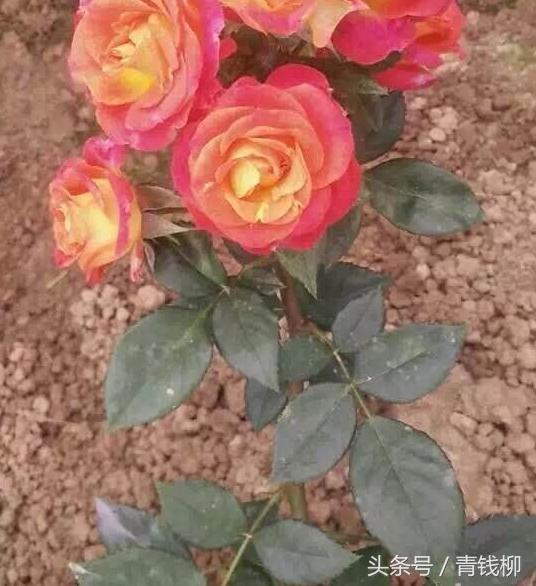
1. Choose muddy soil with a low groundwater level that is loose and well aerated, with a soil pH of 5.5;
2. Soil improvement is carried out in conjunction with preparing the planting beds, with deep plowing and the application of large amounts of organic fertilizer; the organic fertilizer is cow dung
3. The planting beds are made with a bed surface width of 0.8 m, a walkway bottom width of 0.6 m, and a bed height of 0.6 m; the bed surface must be level. After the planting bed is made,the soil pH value and EC value need to be checked again, and adjusted with fertilizer, acid and alkali, so that the pH value is adjusted to 5.5 and the EC value is adjusted to0.9S/cm; if the EC value is less than 0.9, adjust it with fertilizer; if the EC value is greater than 1.4, leach it with water;
4. The cultivation method is single-bed, double-row cultivation, with a plant spacing of 12 cm and a row spacing of 50 cm, planting 5500 plants per mu, cultivated inside a greenhousestructure;
5. For irrigation water, choose unpolluted river water, spring water or well water.
6. On sunny days, water 2 times a day, keeping the soil moisture tension PF at around 1.8; choose watering times of10:00 and 17:00; from April to June the watering frequency is 3 times; keep the soil moisture tension PF at 1.7.
7. Keep the greenhouse temperature at: 24°C during the day and 14°C at night.
8. For "roses", control the relative humidity of the greenhouse at 70% during the budding and branch-and-leaf growth period, and control the relativehumidity of the greenhouse at 40% during the flowering period; control daytime humidity at 40%, and nighttime humidity should be controlled at 60%.
9. There must be at least more than 6 hours of light every day.