This Is the Most Profitable Way to Grow Shiitake Mushrooms: A Detailed Guide to High-Efficiency Cultivation Models
Classified by the operating entity, shiitake mushroom cultivation models can be divided into five types: the pure family model, the family farm model, the cooperative model, the factory-made substrate stick model with mushroom farmers under decentralized management, and the full factory model. Among these models, the family farm model offers the best earning potential and is the most likely to be sustained over the long term.
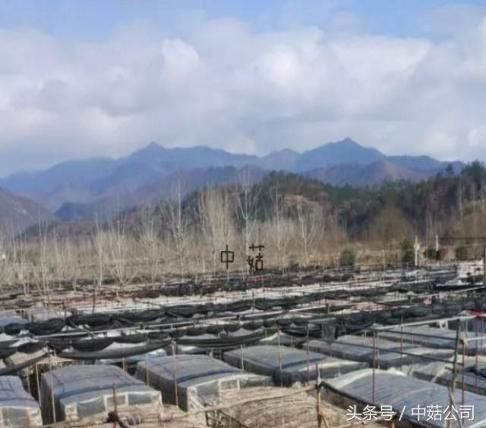
The family farm model refers to a model in which elite family shiitake growers, building on pure family cultivation, purchase mechanized substrate stick production equipment, hire a modest number of other mushroom farmers, expand production scale, and grow mushrooms through natural fruiting. Compared with other models, it has five major advantages:
First, low cost.Because mechanized substrate stick production equipment is used, the substrate stick production stage costs less than under the pure family model. Natural fruiting also makes fruiting management costs much lower than in factory operations.
Second, easy management.In this model, the only decision-maker is the head of the household, and very little labor is hired, so decisions are efficient, execution is fast, and problems can be corrected immediately. There are also essentially no management costs.
Third, low labor input.In the family farm model, the head of the household takes part in production personally, and labor is needed only during the substrate stick production and fruiting seasons, totaling no more than 6 months overall.
Fourth, real scale.Compared with pure family cultivation, the scale is already quite large, ranging from 200,000 to 500,000 bags. This not only gives bargaining power when purchasing materials and selling mushrooms, but also allows the operation to earn the returns created by hired workers.
Fifth, high standards.Those able to run a family farm model must come from the ranks of skilled shiitake growers. The management they carry out at every stage, from purchasing materials, making substrate sticks, and inoculation to fruiting, will be much better than that of ordinary households, giving them an advantage in success rate, yield, and quality.
In future development, full factory production of shiitake mushrooms is bound to become reality, but for a fairly long period it will not offer good value for money, so naturally there will be no money to be made. The pure family model will ultimately be eliminated by factory production. The cooperative model will advance toward the factory model. The family farm model currently earns more than the pure family model, and after factory production arrives, it can evolve into a family factory model and still get a share of the returns. Therefore, the family farm model is the most profitable shiitake mushroom cultivation model.
Today I am merely putting this topic forward; in future articles, I will elaborate on it much more. Fellow mushroom growers surely have plenty of thoughts as well, so feel free to share them!