Master the method for growing water spinach on a balcony and practice ecological agriculture with ease
1. Growing season:
April to August (can be planted in both spring and summer; growth is vigorous during high summer temperatures; although it can also be planted in autumn, it tends to flower).
2. Raising seedlings:
Spring is the better choice; in summer, cuttings are mostly used for propagation, and the cutting method is the most convenient and simple of all.
1. Water spinach bought from the market can be used directly for cuttings. If it is too long, cut it into small sections of about 15 cm before inserting them as cuttings. For water spinach you grow yourself, you can cut branches for cuttings at any time during the growing period.
2. Generally insert 2 to 3 plants together into the soil; for single plants, plant them appropriately close together. If planting in dry soil, trim off some of the leaves. The cuttings should have at least 3 nodes buried in the soil, with 2 to 3 nodes exposed above the soil surface. Press the soil down lightly, water every day to keep the soil moist, and they will generally take root in 3 to 4 days.
3. Sowing:
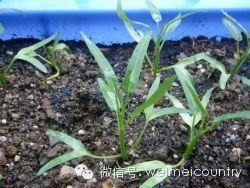
1. Generally sow from April to August. The suitable temperature for germination is 20 to 35°C. When the temperature is low, you can soak the seeds in warm water to speed up germination. Broadcasting is usually used, covering with 1 to 2 cm of soil, then watering thoroughly. They sprout in about 1 week, and the soil must be kept moist during this period.
2. When there are 3 to 5 true leaves, apply 1 dose of diluted decomposed organic fertilizer, mainly nitrogen fertilizer. Once there are more than 6 true leaves, normal management can begin.
4. Daily management:
1. After every 3 to 4 harvests, carry out 1 heavy pruning of the plant, keeping only 1 to 2 nodes at the base and thinning out some excessively weak side branches.
2. It likes moisture and is not afraid of waterlogging, making it very suitable for water culture. Drought will affect the taste. In principle, the soil should be kept moist to encourage it to sprout more adventitious roots. Potted plants need watering every day; for water culture, after planting the water depth should be about 2 to 3 cm, and as growth progresses and the temperature rises, the water depth should gradually be increased to about 10 cm; when the temperature is low, the water depth must be reduced. If conditions are limited, you can also grow it directly in water, adding an appropriate amount of nitrogen fertilizer to the water, and it will still grow well.
3. It likes fertilizer and is also fairly tolerant of it, so it is best to apply plenty of base fertilizer. During the growing period, its fertilizer demand is high, mainly for nitrogen fertilizer. As growth becomes more vigorous, increase the concentration of fertilizer applied. Generally apply decomposed organic fertilizer once about every 10 days, or apply a top dressing once 2 to 3 days after each harvest.
5. Harvesting:
It can generally be harvested when the shoots are about 25 to 35 cm tall. When harvesting, leave 2 to 3 nodes at the base and pinch off the tender shoots by hand.
6. Nutritional value:
The protein and calcium content of the tender shoots is far higher than that of tomatoes, and they also contain more carotene; they are rich in digestion-aiding components such as cellulose, lignin and pectin, and their juice has an antibacterial effect; it is cold in nature and can clear heat and cool the blood, treat sores and remove toxins.
Sharing is the best way to learn, and sharing is even more of a virtue. If you like this article, please share it to your Moments so your friends can benefit too!
Appreciate the most beautiful countryside and its aesthetic scenery, learn about the native land that gave you life and raised you, and also follow rural economic development, ecological agriculture, and the rural ecological environment.
If you do not go crazy now, you will be old. Please follow the WeChatweimeicountry(Most Beautiful Countryside) to get the latest rural information. How to get there? What to eat? Where to stay? What to do? Rural tourism and ecological agriculture, all within your grasp!