What are the planting methods and benefits of roses?
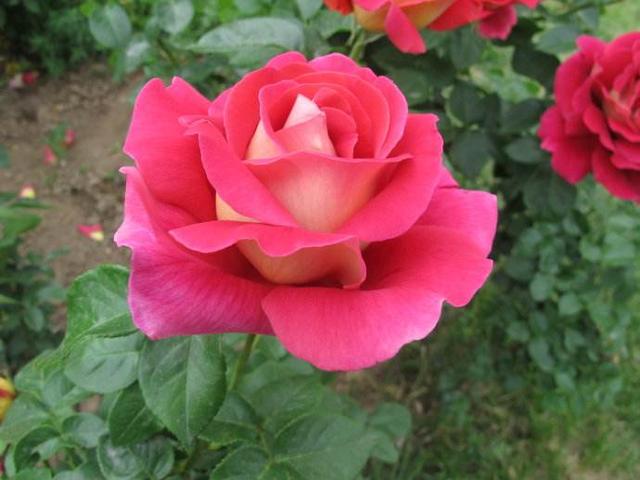
Today I will tell you about the planting and cultivation methods of the rose, the queen of flowers. Rose seedlings have strong adaptability, are cold-resistant and drought-resistant, and can be planted in the ground or in pots. The flowering period is relatively long, and there are many varieties, with single petals and double petals, and the flower shapes are beautiful. Roses generally can bloom in all four seasons, in red and pink, and are ornamental plants as well as medicinal plants.
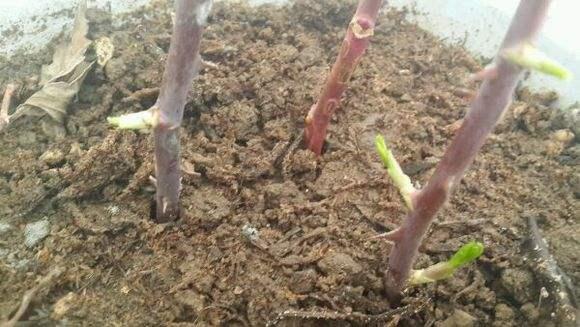
Roses can be propagated and planted by cuttings. The cuttings selected should not be too old or too tender; you should choose new branches of the current year that are strong and flexible. Buy some vermiculite (sold at flower markets), put it in a porous basket frame and then scrape it level with a wooden board or ruler, and then you can insert the cuttings into the basket. The plant spacing is about 5 cm, and the depth is 3-5 cm. Then water thoroughly. Use two bricks to prop up the small basket to facilitate drainage. Place the inserted roses in a shady place or under the shade of a tree, where they can get some sun in the morning and evening. You can also use grafting propagation and seed propagation, but seed propagation easily leads to variation, meaning it cannot better retain the unique characteristics of the original variety.
It is worth mentioning that there is the issue of watering. Watering roses has its particular requirements: you should follow "dry and wet alternation," not water when not dry, and water thoroughly when watering. In addition, many white-collar workers and veteran gardeners now specifically choose this kind of medicinal-value flower as a garden plant, which can not only beautify the home but also be collected as a food therapy material.
The roots, leaves, and flowers of roses can all be used as medicine, and have the effects of promoting blood circulation and reducing swelling, and of reducing inflammation and detoxifying. They are generally used to treat irregular menstruation, dysmenorrhea, and other conditions. For irregular menstruation, this recipe can be used: clean the japonica rice, soak it in cold water for half an hour, then take it out and drain the water. Cut the longan flesh into pieces. Add about 1000 ml of cold water to the pot, put in the japonica rice and the chopped longan flesh, bring to a boil over high heat, then switch to low heat and cook into porridge, add honey and rose flowers, stir evenly, and it is ready to eat.
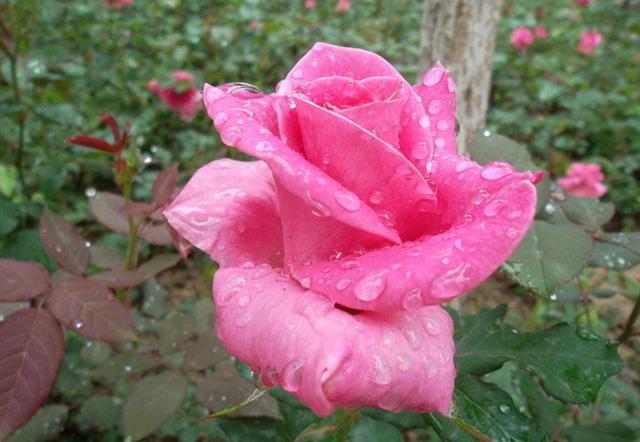
When roses bloom, they are not only for viewing; you can also play with them like this: extract their essential oil and make candied flowers. Collect the roses, wash them, and dry them to remove raw water, then chop them, put them into a sterilized bottle, add pure natural honey and stir evenly, then seal the glass jar, and after a period of time they are ready to eat. (Image from the internet, deleted if infringing, thanks)
Focusing on agriculture, rural areas, and farmers, and paying attention to all aspects of rural life.